
Orthopedic Lexicon
This orthopedic guide provides you with concise and easy-to-understand information on orthopedic conditions, examinations, and therapies—from the foot and ankle through the knee and hip to the spine.
Use these filters to quickly look up, by body region and topic area, those articles that match your current symptoms. For an individual assessment and therapy planning, please schedule a personal appointment with us at the Orthopädiezentrum Wien.

Chiropractic
Chiropractic is an alternative treatment method that focuses on the diagnosis and treatment of mechanical disorders of the musculoskeletal system, particularly the spine. Chiropractors use manual techniques to correct misalignments of the spine and…
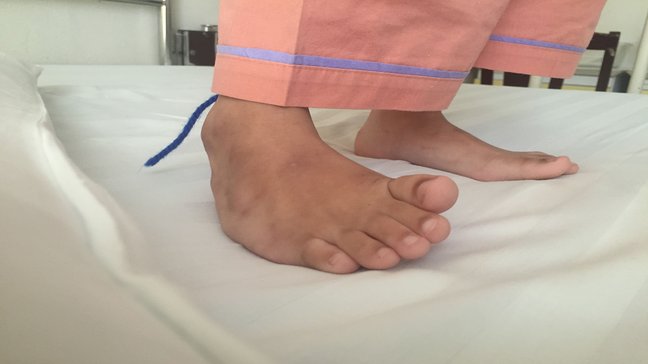
Clubfoot (Pes Equinovarus)
Clubfoot (Pes equinovarus) is a complex congenital foot deformity that occurs in about 1 in 1,000 newborns worldwide. Boys are more frequently affected than girls, and in about 50% of cases, the clubfoot is bilateral. This deformity, which can lead…
Coccygodynia/tailbone pain
Coccygodynia, also known as tailbone pain, refers to chronic pain in the area of the coccyx (os coccygis). These complaints often occur when sitting, during bowel movements, or during physical activities and can significantly affect the quality of…
Collagenoses
Collagenoses are a group of chronic inflammatory autoimmune diseases that affect connective tissue and various organ systems. They are characterized by a malfunction of the immune system, in which the body's own tissue is attacked. Collagenoses can…
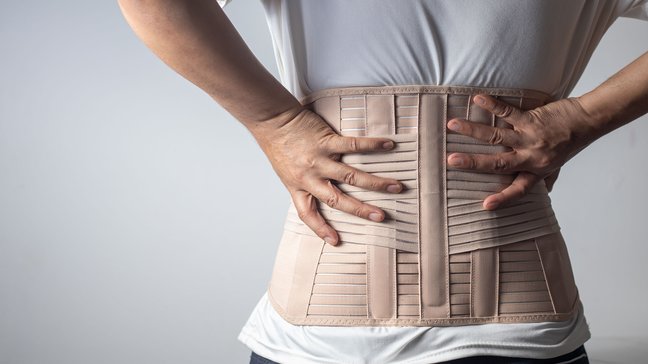
Corset
A corset, also referred to as an orthosis or support corset, is a medical device used to stabilize and support the back and spine. It is often used for the treatment and prevention of back problems and can help alleviate pain and improve mobility.…
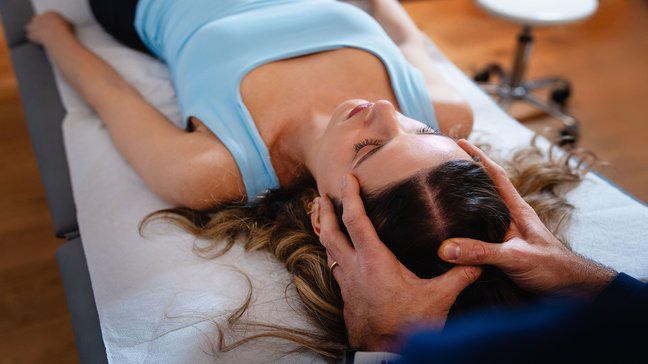
Craniosacral Therapy
Craniosacral therapy is a gentle, manual treatment method that aims to examine and correct the craniosacral system. This system includes the membranes and fluids that surround and protect the brain and spinal cord. Through light touches and…

Cruciate ligament tear
A cruciate ligament tear, medically referred to as a rupture of the cruciate ligament, is a common injury of the knee joint. It affects one of the two cruciate ligaments – the anterior cruciate ligament (ACL) or the posterior cruciate ligament (PCL)…

Deformidades del pie.
Foot deformities are deviations from the normal shape or function of the foot, which can be either congenital or acquired. They often lead to uneven stress on the musculoskeletal system and can cause long-term pain and mobility restrictions. Foot…
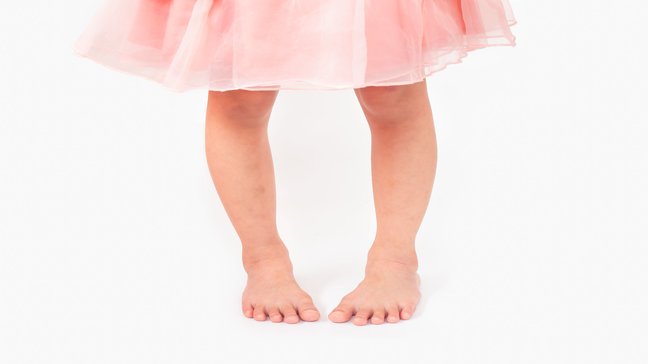
Desalineaciones en niños
Misalignments of the legs, such as knock-knees (genu valgum) and bowlegs (genu varum), are common observations in children. These deviations from the normal leg axis can be both physiological and pathological and affect the development and mobility…

Discography
Discography is a diagnostic procedure used to assess the intervertebral discs of the spine. It is used to determine the exact cause of back pain and to identify the affected discs. During discography, a contrast medium is injected into the disc to…

Dislocación de hombro.
A shoulder dislocation describes the complete or partial dislocation of the shoulder joint, where the head of the upper arm (humeral head) slips out of the socket (glenoid). Due to the special mobility and anatomy of the shoulder joint, it is the…
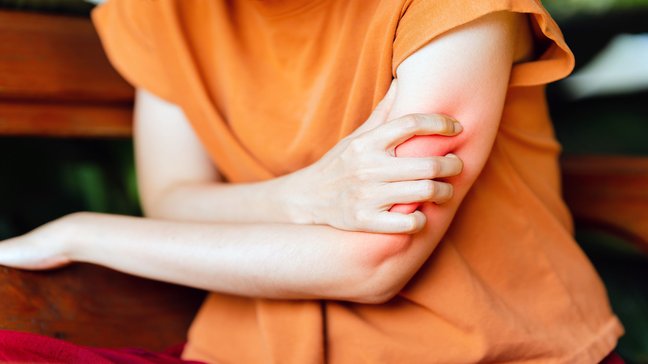
Distal biceps tendon rupture
A rupture of the distal biceps tendon refers to the complete or partial severing of the tendon that connects the biceps muscle to the radial bone in the elbow area. This injury often occurs in middle-aged men and is usually caused by a sudden…

Dizziness
Dizziness is a common symptom characterized by a disturbed sense of balance. Affected individuals often describe dizziness as a feeling of spinning, swaying, or unsteadiness in space. While dizziness is often due to neurological or internal medical…
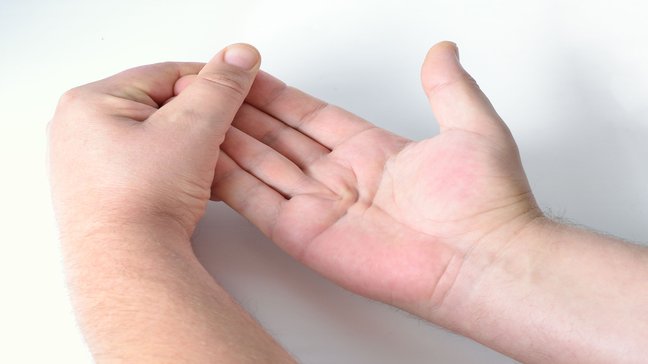
Dupuytren's disease
Dupuytren's disease, also known as Dupuytren's contracture, is a chronic condition of the connective tissue in the palm of the hand. It leads to a nodular thickening and shortening of the palmar aponeurosis, causing the affected fingers to…

Elbow pain
Elbow pain is a common symptom that can be triggered by a variety of causes. It affects people of all age groups and ranges from mild discomfort to severe, chronic pain that significantly impairs quality of life. Causes of elbow pain can include…

Electroterapia
Electrotherapy, also known as electrical therapy, is a therapeutic procedure that uses electrical currents to treat various medical conditions. This method is often used in physiotherapy and rehabilitation to relieve pain, promote healing, and…
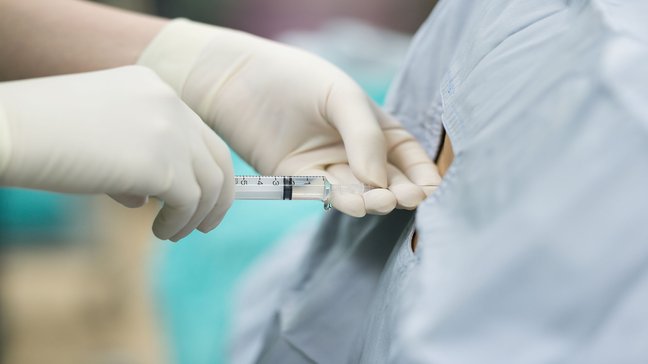
Epidural steroid injection
The epidural steroid injection is a minimally invasive treatment method in which steroids are injected directly into the epidural space of the spine. These injections are often used to relieve pain caused by inflammation and irritation of the nerve…

Epiphysiolysis of the femoral head
Epiphysiolysis capitis femoris (ECF), also referred to as juvenile femoral head slippage, is an orthopedic condition in which the femoral head slips along the growth plate (epiphyseal plate) of the femur. This condition typically occurs in…

Facet arthrosis
Facet arthrosis, also known as vertebral joint arthrosis, is a degenerative disease of the small vertebral joints (facet joints). It arises from the wear and tear of the cartilage in the facet joints and is one of the most common causes of back pain,…
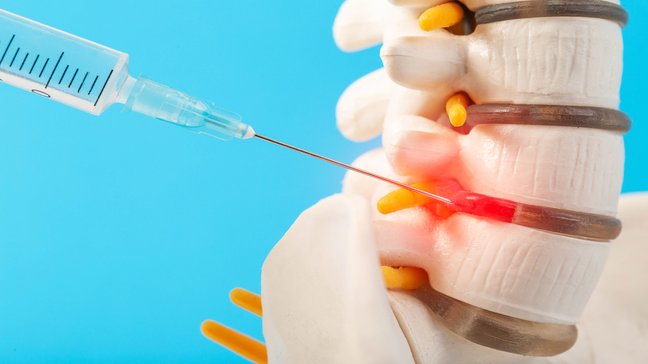
Facet joint injection
Facet joint injection is a minimally invasive treatment method for alleviating pain caused by inflammation or osteoarthritis of the facet joints in the spine. Facet joints are small joints that connect the vertebrae and enable the mobility of the…

Failed Back Surgery Syndrome (FBSS)
The Failed Back Surgery Syndrome (FBSS), also known as post-discectomy syndrome or post-nucleotomy syndrome, refers to persistent or newly occurring pain in the back and leg area after spinal surgery. Despite surgical interventions aimed at reducing…

Fallen/Spread Foot
The flat/splayfoot is a common foot deformity characterized by a flattening of the longitudinal arch (flatfoot) and/or a widening of the forefoot due to a lowered transverse arch (splayfoot). These deformities often occur together and can lead to…

Feldenkrais Method
The Feldenkrais Method is a holistic movement therapy aimed at improving body awareness and promoting more efficient movement patterns. It was developed by Moshé Feldenkrais and is based on the idea that conscious movement and learning can activate…
Feldenkrais Method
The Feldenkrais Method is a holistic movement therapy aimed at improving body awareness and promoting more efficient movement patterns. It was developed by Moshé Feldenkrais and is based on the idea that conscious movement and learning can activate…
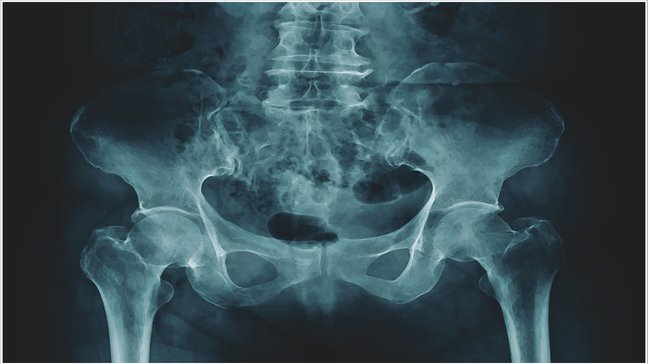
Fibroostoses
Fibroosteoses are benign changes in the bone, characterized by an increased formation of fibrous tissue (fibrosis) and bone (osteosis). They usually appear as local, defined densifications of the bone and can cause pain, functional limitations, or…
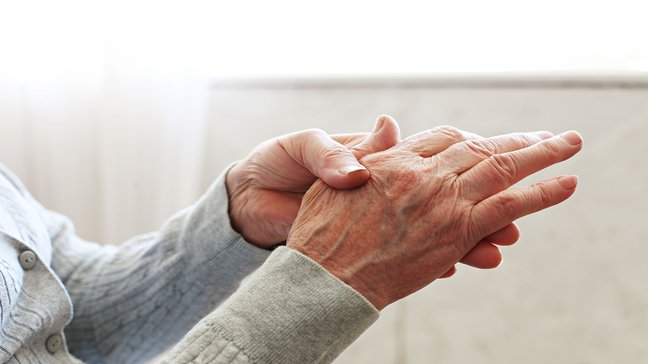
Finger polyarthrosis
Finger polyarthrosis, also known as polyarthrosis of the finger joints, is a degenerative disease characterized by the progressive wear of the joint cartilage in multiple finger joints. It leads to pain, stiffness, and limited mobility and occurs…
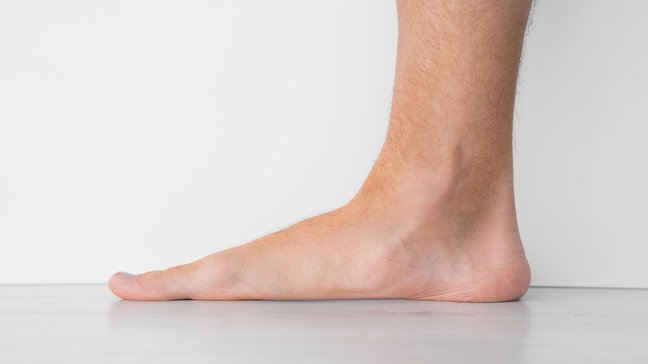
Flatfoot (Pes Planus)
A flatfoot, medically referred to as pes planus, is a foot deformity where the arch of the foot is flattened or completely absent. This condition can be congenital or acquired and often occurs in both children and adults. While mild forms often…

Foot pain
Foot pain is a widespread symptom that affects people of all ages. It can occur in various areas of the foot, such as the heel, arch, toes, or ankle. Foot pain varies in intensity and cause and can lead to both acute and chronic discomfort. It…
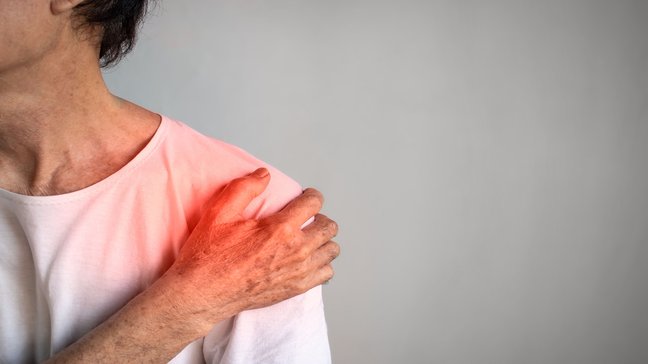
Frozen Shoulder
Frozen shoulder, medically referred to as adhesive capsulitis, is a condition of the shoulder joint characterized by severe pain and a significant restriction of mobility. It typically occurs in individuals between the ages of 40 and 60 and affects…
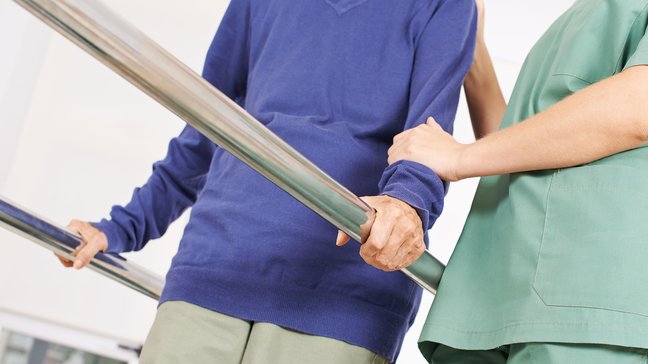
Functional Movement Therapy
Functional movement therapy is a holistic method aimed at improving mobility and body functionality. Through specific exercises and movement patterns, natural movements are trained to strengthen muscles, improve joint mobility, and facilitate…