

Deformidades del pie.
Classification of Foot Deformities
Foot deformities can be divided into different categories:
1. **Flatfoot (Pes planus):**
- The foot has a flattened longitudinal arch, causing the entire sole to touch the ground.
2. **High arch (Pes cavus):**
- An excessively arched foot, where only the heel and the ball of the foot touch the ground.
3. **Splayfoot (Pes transversoplanus):**
- The front part of the foot is widened, making the cross-section of the foot flatter.
4. **Clubfoot (Pes equinovarus):**
- A complex deformity where the foot is turned inward and the sole points downward.
5. **Metatarsus adductus (Pes adductus):**
- The forefoot is bent inward, which often occurs in childhood.
Causes of foot deformities
The causes of foot deformities can be diverse and are often a combination of genetic and external factors:
- Congenital factors:
- Genetic predispositions lead to foot deformities such as clubfoot or metatarsus adductus from birth.
- Acquired causes:
- Overload: Prolonged standing, walking, or high-impact sports promote deformities.
- Improper footwear: Shoes without adequate cushioning or arch support exacerbate deformities like flatfoot.
- Injuries: Trauma or fractures can permanently alter foot mechanics.
- Systemic diseases:
- Diseases such as rheumatoid arthritis or neurological disorders, like Charcot-Marie-Tooth disease, can cause foot deformities.
- Age-related changes:
- With increasing age, ligaments and tendons weaken, which can lead to fallen arches or flatfoot.
Symptoms of foot deformities
The symptoms vary depending on the type and severity of the misalignment, but often include:
- **Pain:**
- Localized pain in the foot, often exacerbated by stress.
- Radiating pain in the knee, hip, or back due to uneven stress.
- **Swelling:**
- Often in areas that are overloaded due to misalignments.
- **Movement restrictions:**
- Difficulties in walking, standing, or wearing shoes.
- **Deformities:**
- Visible changes in the shape of the foot, such as flattening of the arch or widening of the forefoot.
- **Skin irritations:**
- Pressure points, callus formation, or blisters due to improper loading and unsuitable footwear.
Diagnosis of foot deformities
The diagnosis is made through a combination of medical history, clinical examination, and imaging techniques:
- **Medical History:**
- The doctor inquires about the symptoms, their progression, and possible triggers such as injuries or excessive strain.
- **Clinical Examination:**
- Visual inspection of the foot's shape and position, checking for mobility and tenderness.
- **Imaging Techniques:**
- **X-ray:** Visualization of bone structures and misalignments.
- **MRI:** For assessing soft tissues like ligaments and tendons.
- **Podography:** Analysis of gait pattern and pressure distribution in the foot.
Treatment options for foot deformities
Conservative Therapy
Most foot deformities can be treated with non-surgical measures:
- Physiotherapy:
- Exercises to strengthen the foot muscles and improve posture.
- Manual therapy to correct muscle imbalances.
- Orthopedic Aids:
- Specially adapted insoles or orthoses to support the arch of the foot and relieve affected areas.
- Shoe Supply:
- Custom-made shoes or special insoles that correct foot posture.
- Pain Management:
- Use of anti-inflammatory medications or local anesthetics to relieve acute discomfort.
Surgical Therapy
In cases of severe deformities or persistent discomfort despite conservative treatment, surgery is necessary:
- Tendon Correction:
- Lengthening or shortening of tendons to restore foot posture.
- Osteotomy:
- Surgical correction of bone deformities through targeted cutting and realignment.
- Joint Fusion (Arthrodesis):
- Fixation of joints in cases of severe wear or instability.
- Prostheses:
- In severe cases, joint replacement may be necessary.
Preventive measures for foot deformities
To prevent foot deformities, the following measures are recommended:
- Ergonomic footwear: Use shoes with adequate cushioning and arch support.
- Regular foot exercises: Strengthen foot muscles through targeted exercises.
- Load management: Avoid excessive strain and take regular breaks when standing or walking for long periods.
- Early treatment: Immediate assessment and therapy at the first signs of discomfort or deformities.
- Healthy lifestyle: Control body weight to reduce stress on the feet.
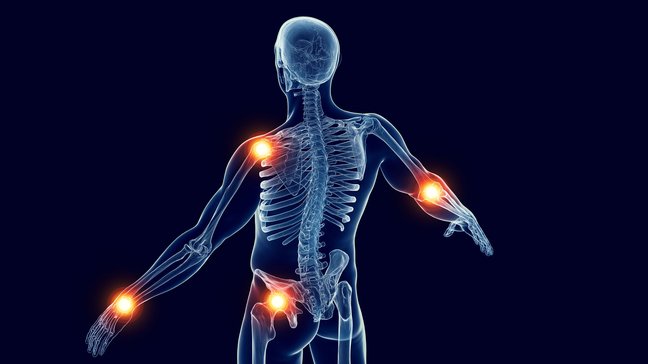
Osteonecrosis in childhood
Osteonecroses in childhood are conditions in which there is a localized blood flow disorder in the bone, leading to the death of the affected tissue. These disorders often occur at the growth zones (epiphyses) and are typically associated with pain,…

Epiphysiolysis of the femoral head
Epiphysiolysis capitis femoris (ECF), also referred to as juvenile femoral head slippage, is an orthopedic condition in which the femoral head slips along the growth plate (epiphyseal plate) of the femur. This condition typically occurs in…
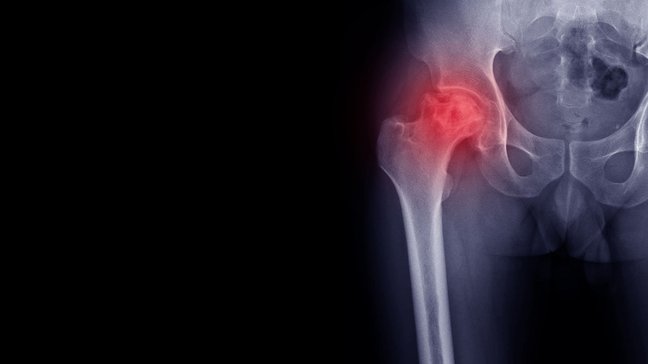
Perthes disease
Morbus Perthes, also known as Perthes disease, is a rare disorder of the hip joint in children. It arises from a temporary interruption of the blood supply to the femoral head, which leads to the death of bone tissue (aseptic necrosis of the femoral…
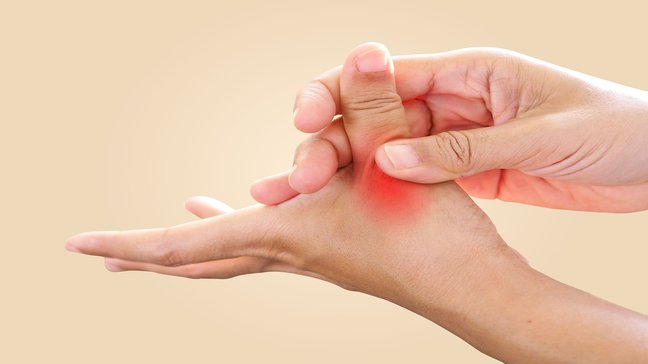
Trigger finger/thumb
Der Schnappfinger oder Schnappdaumen, medizinisch als Triggerfinger bezeichnet, ist eine Erkrankung der Beugesehnen der Finger oder des Daumens, bei der die Bewegung durch eine Verdickung der Sehne oder der Ringbänder behindert wird. Diese Verdickung…
Deformidades del pie.
Classification of Foot Deformities
Foot deformities can be divided into different categories:
1. **Flatfoot (Pes planus):**
- The foot has a flattened longitudinal arch, causing the entire sole to touch the ground.
2. **High arch (Pes cavus):**
- An excessively arched foot, where only the heel and the ball of the foot touch the ground.
3. **Splayfoot (Pes transversoplanus):**
- The front part of the foot is widened, making the cross-section of the foot flatter.
4. **Clubfoot (Pes equinovarus):**
- A complex deformity where the foot is turned inward and the sole points downward.
5. **Metatarsus adductus (Pes adductus):**
- The forefoot is bent inward, which often occurs in childhood.
Causes of foot deformities
The causes of foot deformities can be diverse and are often a combination of genetic and external factors:
- Congenital factors:
- Genetic predispositions lead to foot deformities such as clubfoot or metatarsus adductus from birth.
- Acquired causes:
- Overload: Prolonged standing, walking, or high-impact sports promote deformities.
- Improper footwear: Shoes without adequate cushioning or arch support exacerbate deformities like flatfoot.
- Injuries: Trauma or fractures can permanently alter foot mechanics.
- Systemic diseases:
- Diseases such as rheumatoid arthritis or neurological disorders, like Charcot-Marie-Tooth disease, can cause foot deformities.
- Age-related changes:
- With increasing age, ligaments and tendons weaken, which can lead to fallen arches or flatfoot.
Symptoms of foot deformities
The symptoms vary depending on the type and severity of the misalignment, but often include:
- **Pain:**
- Localized pain in the foot, often exacerbated by stress.
- Radiating pain in the knee, hip, or back due to uneven stress.
- **Swelling:**
- Often in areas that are overloaded due to misalignments.
- **Movement restrictions:**
- Difficulties in walking, standing, or wearing shoes.
- **Deformities:**
- Visible changes in the shape of the foot, such as flattening of the arch or widening of the forefoot.
- **Skin irritations:**
- Pressure points, callus formation, or blisters due to improper loading and unsuitable footwear.
Diagnosis of foot deformities
The diagnosis is made through a combination of medical history, clinical examination, and imaging techniques:
- **Medical History:**
- The doctor inquires about the symptoms, their progression, and possible triggers such as injuries or excessive strain.
- **Clinical Examination:**
- Visual inspection of the foot's shape and position, checking for mobility and tenderness.
- **Imaging Techniques:**
- **X-ray:** Visualization of bone structures and misalignments.
- **MRI:** For assessing soft tissues like ligaments and tendons.
- **Podography:** Analysis of gait pattern and pressure distribution in the foot.
Treatment options for foot deformities
Conservative Therapy
Most foot deformities can be treated with non-surgical measures:
- Physiotherapy:
- Exercises to strengthen the foot muscles and improve posture.
- Manual therapy to correct muscle imbalances.
- Orthopedic Aids:
- Specially adapted insoles or orthoses to support the arch of the foot and relieve affected areas.
- Shoe Supply:
- Custom-made shoes or special insoles that correct foot posture.
- Pain Management:
- Use of anti-inflammatory medications or local anesthetics to relieve acute discomfort.
Surgical Therapy
In cases of severe deformities or persistent discomfort despite conservative treatment, surgery is necessary:
- Tendon Correction:
- Lengthening or shortening of tendons to restore foot posture.
- Osteotomy:
- Surgical correction of bone deformities through targeted cutting and realignment.
- Joint Fusion (Arthrodesis):
- Fixation of joints in cases of severe wear or instability.
- Prostheses:
- In severe cases, joint replacement may be necessary.
Preventive measures for foot deformities
To prevent foot deformities, the following measures are recommended:
- Ergonomic footwear: Use shoes with adequate cushioning and arch support.
- Regular foot exercises: Strengthen foot muscles through targeted exercises.
- Load management: Avoid excessive strain and take regular breaks when standing or walking for long periods.
- Early treatment: Immediate assessment and therapy at the first signs of discomfort or deformities.
- Healthy lifestyle: Control body weight to reduce stress on the feet.
Osteonecrosis in childhood
Osteonecroses in childhood are conditions in which there is a localized blood flow disorder in the bone, leading to the death of the affected tissue. These disorders often occur at the growth zones (epiphyses) and are typically associated with pain,…
Epiphysiolysis of the femoral head
Epiphysiolysis capitis femoris (ECF), also referred to as juvenile femoral head slippage, is an orthopedic condition in which the femoral head slips along the growth plate (epiphyseal plate) of the femur. This condition typically occurs in…
Perthes disease
Morbus Perthes, also known as Perthes disease, is a rare disorder of the hip joint in children. It arises from a temporary interruption of the blood supply to the femoral head, which leads to the death of bone tissue (aseptic necrosis of the femoral…
Trigger finger/thumb
Der Schnappfinger oder Schnappdaumen, medizinisch als Triggerfinger bezeichnet, ist eine Erkrankung der Beugesehnen der Finger oder des Daumens, bei der die Bewegung durch eine Verdickung der Sehne oder der Ringbänder behindert wird. Diese Verdickung…