

Fallen/Spread Foot
Classification of flat/splayfoot
The flat/splayfoot is classified according to type, cause, and severity:
- By type:
- Flatfoot: Flattening of the longitudinal arch of the foot, causing the foot to "sink."
- Splayfoot: Lowering of the transverse arch in the forefoot, leading to a widening of the foot.
- Combination: Simultaneous presence of flatfoot and splayfoot.
- By cause:
- Congenital: Misalignment present at birth.
- Acquired: Developed due to overloading, incorrect loading, or degenerative processes.
- By severity:
- Mild: Slight flattening without discomfort.
- Moderate: Noticeable misalignment with load pain.
- Severe: Severe deformity with chronic pain and functional limitations.
Causes of flatfoot/spreadfoot
The causes of these misalignments can be divided into mechanical, genetic, and systemic factors:
- Mechanical causes:
- Permanent overload from prolonged standing, heavy lifting, or unsuitable footwear.
- Overweight, which increases the load on the arches of the feet.
- Misloads, e.g., due to incorrect rolling behavior or foot misalignments such as flatfoot.
- Genetic predisposition:
- Congenital weakness of the ligament and supporting tissue.
- Systemic causes:
- Rheumatoid arthritis or other inflammatory diseases.
- Degenerative processes, such as osteoarthritis in the foot joints.
Symptoms of flat/splayfoot
The symptoms vary depending on the type and severity of the misalignment, but typically include:
- **Pain:** Localized pain in the arch, forefoot, or soles of the feet, especially under load.
- **Pressure points and calluses:** Increased callus formation due to uneven load.
- **Change in foot shape:** Wider forefoot and flattening of the arch.
- **Instability:** Feeling of insecurity or giving way of the foot when walking.
- **Load-dependent complaints:** Pain after prolonged standing, walking, or physical activity.
- **Misalignments:** Pain in the knees, hips, or back due to altered posture.
Diagnosis of flat/splayfoot
The diagnosis is made through a thorough medical history, clinical examination, and, if necessary, supportive procedures:
- Medical history:
- Collection of symptoms, stress patterns, and possible triggers.
- Physical examination:
- Visual and palpation findings to assess foot shape and arch.
- Examination of gait and posture.
- Imaging:
- X-ray: Depiction of bony changes and misalignments.
- Pedography: Analysis of pressure distribution under the sole of the foot.
- Functional tests:
- Checking muscle and ligament tension as well as the mobility of the foot joints.
Treatment options for flat/splayfoot
Conservative Therapy
The treatment aims to relieve pain, correct misalignment, and improve foot function:
- Orthopedic Insoles:
- Support of the longitudinal and transverse arches with individually fitted insoles.
- Physiotherapy:
- Exercises to strengthen the foot muscles and improve stability.
- Mobilization and stretching to maintain joint mobility.
- Suitable Footwear:
- Shoes with good cushioning and sufficient space in the forefoot area.
- Load Reduction:
- Avoidance of prolonged standing or walking and weight reduction in case of overweight.
- Pain Therapy:
- NSAIDs: To relieve pain and inflammation.
Surgical Therapy
In severe cases or persistent complaints, surgery may be necessary:
- Osteotomy: Correction of bony misalignments to restore the foot arch.
- Tendon and Ligament Surgery: Reconstruction of damaged structures to stabilize the foot.
- Arthrodesis: Fusion of individual joints in cases of severe pain or instability.
Preventive measures for flat/splayfoot
To prevent flat feet and splayfoot and to support foot health, the following measures are recommended:
1. Strengthening the foot muscles: Regular foot exercises to stabilize the arches.
2. Suitable footwear: Avoiding tight or unsuitable shoes, especially with high heels.
3. Load management: Alternating between standing, walking, and sitting to reduce foot strain.
4. Weight reduction: Relieving the feet through a healthy body weight.
5. Regular foot care: Avoiding pressure points and calluses through appropriate care.
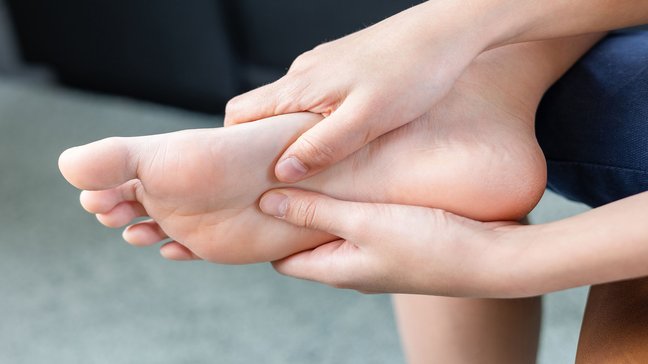
Metatarsalgia
Metatarsalgia describes pain in the forefoot area, often occurring under the metatarsal heads. These complaints usually arise from overuse, misalignments, or degenerative changes in the foot. People who stand a lot, walk, or are physically active are…
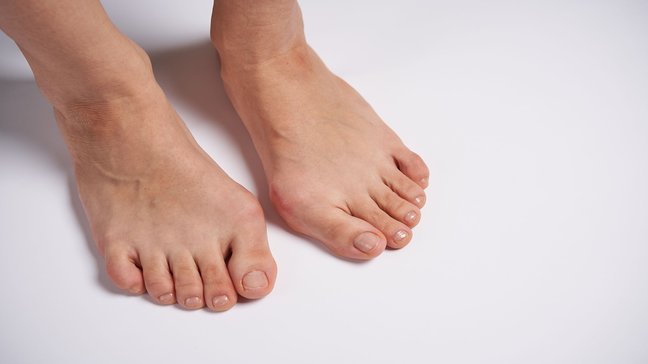
Hallux rigidus
Hallux rigidus is osteoarthritis of the big toe joint, which can lead to painful movement restrictions and eventually to joint stiffening. This condition significantly impairs the rolling motion of the foot and often affects people from middle age…
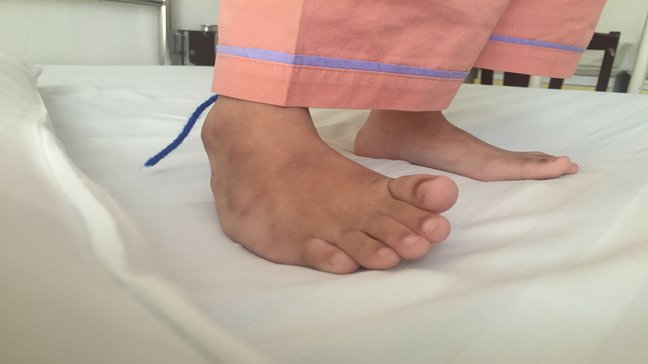
Clubfoot (Pes Equinovarus)
Clubfoot (Pes equinovarus) is a complex congenital foot deformity that occurs in about 1 in 1,000 newborns worldwide. Boys are more frequently affected than girls, and in about 50% of cases, the clubfoot is bilateral. This deformity, which can lead…
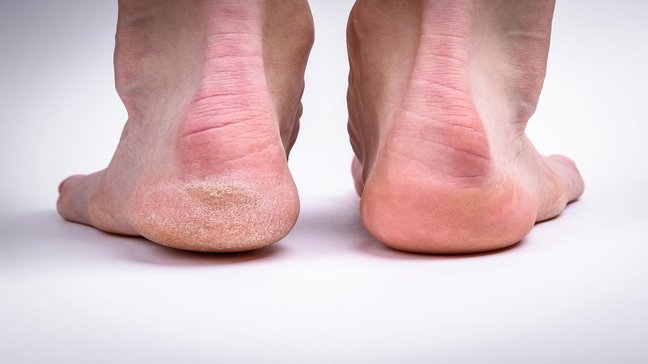
Upper heel spur
The upper heel spur, also known as Haglund's deformity, is a bony protrusion at the back of the heel bone (calcaneus). This condition often causes pain, swelling, and restricted movement, especially when the heel is under stress. The upper heel spur…
Fallen/Spread Foot
Classification of flat/splayfoot
The flat/splayfoot is classified according to type, cause, and severity:
- By type:
- Flatfoot: Flattening of the longitudinal arch of the foot, causing the foot to "sink."
- Splayfoot: Lowering of the transverse arch in the forefoot, leading to a widening of the foot.
- Combination: Simultaneous presence of flatfoot and splayfoot.
- By cause:
- Congenital: Misalignment present at birth.
- Acquired: Developed due to overloading, incorrect loading, or degenerative processes.
- By severity:
- Mild: Slight flattening without discomfort.
- Moderate: Noticeable misalignment with load pain.
- Severe: Severe deformity with chronic pain and functional limitations.
Causes of flatfoot/spreadfoot
The causes of these misalignments can be divided into mechanical, genetic, and systemic factors:
- Mechanical causes:
- Permanent overload from prolonged standing, heavy lifting, or unsuitable footwear.
- Overweight, which increases the load on the arches of the feet.
- Misloads, e.g., due to incorrect rolling behavior or foot misalignments such as flatfoot.
- Genetic predisposition:
- Congenital weakness of the ligament and supporting tissue.
- Systemic causes:
- Rheumatoid arthritis or other inflammatory diseases.
- Degenerative processes, such as osteoarthritis in the foot joints.
Symptoms of flat/splayfoot
The symptoms vary depending on the type and severity of the misalignment, but typically include:
- **Pain:** Localized pain in the arch, forefoot, or soles of the feet, especially under load.
- **Pressure points and calluses:** Increased callus formation due to uneven load.
- **Change in foot shape:** Wider forefoot and flattening of the arch.
- **Instability:** Feeling of insecurity or giving way of the foot when walking.
- **Load-dependent complaints:** Pain after prolonged standing, walking, or physical activity.
- **Misalignments:** Pain in the knees, hips, or back due to altered posture.
Diagnosis of flat/splayfoot
The diagnosis is made through a thorough medical history, clinical examination, and, if necessary, supportive procedures:
- Medical history:
- Collection of symptoms, stress patterns, and possible triggers.
- Physical examination:
- Visual and palpation findings to assess foot shape and arch.
- Examination of gait and posture.
- Imaging:
- X-ray: Depiction of bony changes and misalignments.
- Pedography: Analysis of pressure distribution under the sole of the foot.
- Functional tests:
- Checking muscle and ligament tension as well as the mobility of the foot joints.
Treatment options for flat/splayfoot
Conservative Therapy
The treatment aims to relieve pain, correct misalignment, and improve foot function:
- Orthopedic Insoles:
- Support of the longitudinal and transverse arches with individually fitted insoles.
- Physiotherapy:
- Exercises to strengthen the foot muscles and improve stability.
- Mobilization and stretching to maintain joint mobility.
- Suitable Footwear:
- Shoes with good cushioning and sufficient space in the forefoot area.
- Load Reduction:
- Avoidance of prolonged standing or walking and weight reduction in case of overweight.
- Pain Therapy:
- NSAIDs: To relieve pain and inflammation.
Surgical Therapy
In severe cases or persistent complaints, surgery may be necessary:
- Osteotomy: Correction of bony misalignments to restore the foot arch.
- Tendon and Ligament Surgery: Reconstruction of damaged structures to stabilize the foot.
- Arthrodesis: Fusion of individual joints in cases of severe pain or instability.
Preventive measures for flat/splayfoot
To prevent flat feet and splayfoot and to support foot health, the following measures are recommended:
1. Strengthening the foot muscles: Regular foot exercises to stabilize the arches.
2. Suitable footwear: Avoiding tight or unsuitable shoes, especially with high heels.
3. Load management: Alternating between standing, walking, and sitting to reduce foot strain.
4. Weight reduction: Relieving the feet through a healthy body weight.
5. Regular foot care: Avoiding pressure points and calluses through appropriate care.
Metatarsalgia
Metatarsalgia describes pain in the forefoot area, often occurring under the metatarsal heads. These complaints usually arise from overuse, misalignments, or degenerative changes in the foot. People who stand a lot, walk, or are physically active are…
Hallux rigidus
Hallux rigidus is osteoarthritis of the big toe joint, which can lead to painful movement restrictions and eventually to joint stiffening. This condition significantly impairs the rolling motion of the foot and often affects people from middle age…
Clubfoot (Pes Equinovarus)
Clubfoot (Pes equinovarus) is a complex congenital foot deformity that occurs in about 1 in 1,000 newborns worldwide. Boys are more frequently affected than girls, and in about 50% of cases, the clubfoot is bilateral. This deformity, which can lead…
Upper heel spur
The upper heel spur, also known as Haglund's deformity, is a bony protrusion at the back of the heel bone (calcaneus). This condition often causes pain, swelling, and restricted movement, especially when the heel is under stress. The upper heel spur…