

Coccygodynia/tailbone pain
Classification of Coccygodynia
Coccygodynia can be divided into different categories:
1. **Traumatic Coccygodynia:** Pain caused by bruises, fractures, or dislocations of the coccyx after an accident.
2. **Functional Coccygodynia:** Pain due to poor posture, muscular imbalances, or misalignments of the pelvis.
3. **Inflammatory Coccygodynia:** Pain due to inflammatory diseases such as periostitis in the area of the coccyx.
4. **Psychosomatic Coccygodynia:** Pain without detectable organic cause, which is exacerbated by stress or emotional strain.
Causes of coccygodynia
The main causes of coccydynia can be divided into several categories:
- Traumatic causes:
- Falls on the buttocks leading to bruises, fractures, or dislocations of the coccyx.
- Mechanical stress:
- Prolonged sitting on hard or unsuitable surfaces, which can lead to microtraumas and chronic pain.
- Birth complications:
- Mechanical overload of the coccyx during childbirth can cause pain.
- Inflammatory diseases:
- Periostitis (inflammation of the periosteum) or abscesses in the coccyx area.
- Tumors:
- In rare cases, benign or malignant tumors in the coccyx area can cause pain.
- Psychosomatic factors:
- In some cases, no organic cause is found, and the pain is exacerbated by psychological stress.
Symptoms of coccygodynia
The symptoms of coccygodynia vary depending on the cause and severity, but typically include:
- **Pain when sitting:** Discomfort that worsens with prolonged sitting on hard surfaces and may increase when standing up.
- **Discomfort during bowel movements:** Pain that occurs during or after bowel movements.
- **Pain during physical activity:** Discomfort when bending or lifting heavy objects.
- **Sensitivity in the coccyx area:** Tenderness or local sensitivity when touched.
- **Radiating pain:** In some cases, the pain radiates to the lower back or pelvis.
Diagnosis of Coccygodynia
The diagnosis is made through a combination of medical history, physical examination, and imaging techniques:
- Medical history: The doctor inquires about the patient's medical history, possible injuries, and existing symptoms.
- Physical examination: Examination of the coccyx area for tenderness, swelling, or misalignments.
- Imaging techniques:
- X-ray: Visualization of fractures, dislocations, or degenerative changes.
- MRI: Identification of inflammations, tumors, or other soft tissue structures.
- Ultrasound: Examination of abscesses or fluid accumulations in the coccyx area.
Treatment options for coccygodynia
Conservative Therapy In most cases, coccygodynia can be treated without surgery:
- Pain relief:
- Taking anti-inflammatory medications such as ibuprofen or diclofenac.
- Local application of heat or cold therapy to relax the muscles.
- Seating aids:
- Use of special seat cushions to reduce pressure on the coccyx.
- Physiotherapy:
- Exercises to improve posture and strengthen the core muscles.
- Manual therapy to mobilize the coccyx.
- Injections:
- Local infiltration of cortisone or anesthetics for pain relief.
Surgical Therapy Surgery is only considered in rare cases and with persistent symptoms:
- Coccygectomy: Removal of the coccyx in severe chronic pain that does not respond to conservative measures.
Preventive measures for coccygodynia
To prevent coccygodynia, the following measures are recommended:
- Avoiding falls: Caution during activities that carry an increased risk of injury.
- Ergonomic sitting positions: Use of suitable seating and cushions to minimize pressure on the coccyx.
- Regular exercise: Promoting core stability through targeted exercises and avoiding long periods of sitting.
- Early treatment of injuries: Immediate therapy after a fall or overstrain of the coccyx.
- Stress management: Psychological support to reduce psychosomatic complaints.
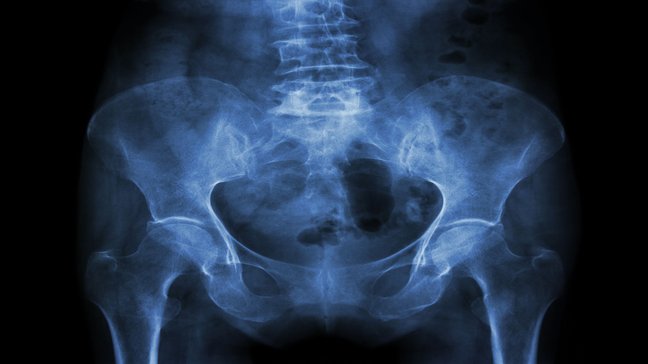
Symphysitis
Symphysitis is an inflammatory condition of the pubic symphysis, causing pain and movement restrictions in the pelvic area. The symphysis is a cartilaginous joint between the two pubic bones, allowing for stability and flexibility of the pelvis.…
Bursitis (trochanteric bursitis)
Trochanteric bursitis, also known as hip bursitis, is a painful inflammation of the trochanteric bursa, located at the outer bony prominence of the femur (greater trochanter). This bursa reduces friction between the muscles and tendons that run over…
Piriformis syndrome
Piriformis syndrome is a neuromuscular disorder in which the piriformis muscle, a small, pear-shaped muscle in the buttock region, irritates or compresses the sciatic nerve. This irritation leads to pain that often radiates into the buttocks and the…
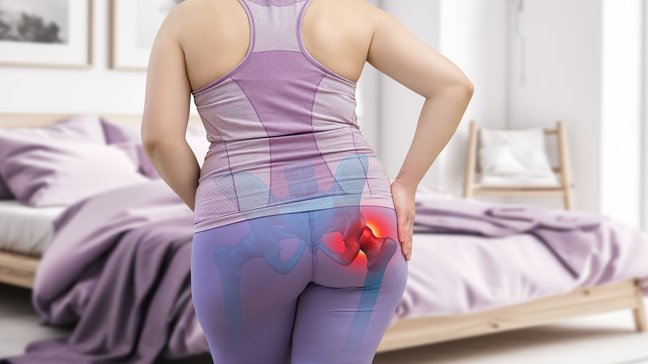
Avascular necrosis of the femoral head
Avascular necrosis of the hip, medically also referred to as femoral head necrosis, describes the death of bone tissue in the femoral head due to impaired blood supply. This condition often occurs between the ages of 30 and 50 and affects men more…
Coccygodynia/tailbone pain
Classification of Coccygodynia
Coccygodynia can be divided into different categories:
1. **Traumatic Coccygodynia:** Pain caused by bruises, fractures, or dislocations of the coccyx after an accident.
2. **Functional Coccygodynia:** Pain due to poor posture, muscular imbalances, or misalignments of the pelvis.
3. **Inflammatory Coccygodynia:** Pain due to inflammatory diseases such as periostitis in the area of the coccyx.
4. **Psychosomatic Coccygodynia:** Pain without detectable organic cause, which is exacerbated by stress or emotional strain.
Causes of coccygodynia
The main causes of coccydynia can be divided into several categories:
- Traumatic causes:
- Falls on the buttocks leading to bruises, fractures, or dislocations of the coccyx.
- Mechanical stress:
- Prolonged sitting on hard or unsuitable surfaces, which can lead to microtraumas and chronic pain.
- Birth complications:
- Mechanical overload of the coccyx during childbirth can cause pain.
- Inflammatory diseases:
- Periostitis (inflammation of the periosteum) or abscesses in the coccyx area.
- Tumors:
- In rare cases, benign or malignant tumors in the coccyx area can cause pain.
- Psychosomatic factors:
- In some cases, no organic cause is found, and the pain is exacerbated by psychological stress.
Symptoms of coccygodynia
The symptoms of coccygodynia vary depending on the cause and severity, but typically include:
- **Pain when sitting:** Discomfort that worsens with prolonged sitting on hard surfaces and may increase when standing up.
- **Discomfort during bowel movements:** Pain that occurs during or after bowel movements.
- **Pain during physical activity:** Discomfort when bending or lifting heavy objects.
- **Sensitivity in the coccyx area:** Tenderness or local sensitivity when touched.
- **Radiating pain:** In some cases, the pain radiates to the lower back or pelvis.
Diagnosis of Coccygodynia
The diagnosis is made through a combination of medical history, physical examination, and imaging techniques:
- Medical history: The doctor inquires about the patient's medical history, possible injuries, and existing symptoms.
- Physical examination: Examination of the coccyx area for tenderness, swelling, or misalignments.
- Imaging techniques:
- X-ray: Visualization of fractures, dislocations, or degenerative changes.
- MRI: Identification of inflammations, tumors, or other soft tissue structures.
- Ultrasound: Examination of abscesses or fluid accumulations in the coccyx area.
Treatment options for coccygodynia
Conservative Therapy In most cases, coccygodynia can be treated without surgery:
- Pain relief:
- Taking anti-inflammatory medications such as ibuprofen or diclofenac.
- Local application of heat or cold therapy to relax the muscles.
- Seating aids:
- Use of special seat cushions to reduce pressure on the coccyx.
- Physiotherapy:
- Exercises to improve posture and strengthen the core muscles.
- Manual therapy to mobilize the coccyx.
- Injections:
- Local infiltration of cortisone or anesthetics for pain relief.
Surgical Therapy Surgery is only considered in rare cases and with persistent symptoms:
- Coccygectomy: Removal of the coccyx in severe chronic pain that does not respond to conservative measures.
Preventive measures for coccygodynia
To prevent coccygodynia, the following measures are recommended:
- Avoiding falls: Caution during activities that carry an increased risk of injury.
- Ergonomic sitting positions: Use of suitable seating and cushions to minimize pressure on the coccyx.
- Regular exercise: Promoting core stability through targeted exercises and avoiding long periods of sitting.
- Early treatment of injuries: Immediate therapy after a fall or overstrain of the coccyx.
- Stress management: Psychological support to reduce psychosomatic complaints.
Symphysitis
Symphysitis is an inflammatory condition of the pubic symphysis, causing pain and movement restrictions in the pelvic area. The symphysis is a cartilaginous joint between the two pubic bones, allowing for stability and flexibility of the pelvis.…
Bursitis (trochanteric bursitis)
Trochanteric bursitis, also known as hip bursitis, is a painful inflammation of the trochanteric bursa, located at the outer bony prominence of the femur (greater trochanter). This bursa reduces friction between the muscles and tendons that run over…
Piriformis syndrome
Piriformis syndrome is a neuromuscular disorder in which the piriformis muscle, a small, pear-shaped muscle in the buttock region, irritates or compresses the sciatic nerve. This irritation leads to pain that often radiates into the buttocks and the…
Avascular necrosis of the femoral head
Avascular necrosis of the hip, medically also referred to as femoral head necrosis, describes the death of bone tissue in the femoral head due to impaired blood supply. This condition often occurs between the ages of 30 and 50 and affects men more…