

Osteoporosis
Classification of Osteoporosis
Osteoporosis is divided into the following categories depending on cause and course:
- Primary osteoporosis:
Affects mainly women after menopause (postmenopausal osteoporosis) and older men (senile osteoporosis). - Secondary osteoporosis:
Caused by other diseases or medications, such as endocrine disorders, chronic inflammations, or long-term cortisone therapy. - Idiopathic osteoporosis:
Occurs in young people without a recognizable cause.
Causes of Osteoporosis
The causes of osteoporosis are varied and depend on the type of the condition:
- Hormonal changes:
- Estrogen deficiency after menopause is a major cause of primary osteoporosis.
- In men, a testosterone deficiency can lead to a reduction in bone density.
- Genetic factors:
- A family history suggests a genetic predisposition.
- Nutritional deficiencies:
- A deficiency of calcium, vitamin D, or protein can reduce bone strength.
- Medications:
- Long-term use of glucocorticoids or antiepileptic drugs increases the risk.
- Lifestyle:
- Lack of exercise, smoking, and excessive alcohol consumption impair bone structure.
- Diseases:
- Diseases such as rheumatoid arthritis, hyperthyroidism or chronic kidney disease promote the development of osteoporosis.
Symptoms of osteoporosis
Osteoporosis often remains asymptomatic for a long time and is frequently only discovered after a fracture. Possible symptoms include:
- Fractures from minor trauma:
Fractures of the vertebral bodies, hip, or wrist occur even with small stresses or falls. - Back pain:
Pain due to vertebral body fractures or muscle tension. - Loss of height:
Shrinking due to vertebral body fractures and changes in posture. - Hunched back (kyphosis):
Curvature of the spine that can lead to a limitation of mobility. - Feeling of weakness:
General weakness and unsteadiness when walking due to reduced stability of the skeleton.
Diagnosis of Osteoporosis
The diagnosis is made through a combination of medical history, clinical examination, and special tests:
- Medical history:
The physician inquires about risk factors, pre-existing conditions, and family history. - Clinical examination:
Assessment of posture, height, and mobility as well as the location of pain. - Bone density measurement (DXA):
Gold standard for determining bone density and assessing fracture risk. - Blood and urine tests:
Assessment of calcium and vitamin D levels as well as other markers of bone metabolism. - Imaging methods:
- X-ray: Visualization of vertebral body changes and fractures.
- MRI: Detailed assessment of bone marrow changes and fractures.
Treatment options for osteoporosis
The treatment aims to stop bone loss, increase bone density, and prevent fractures:
- Pharmacological therapy:
- Bisphosphonates to inhibit bone resorption.
- Denosumab to reduce fracture risk.
- Teriparatide to stimulate bone formation.
- Dietary adjustment:
- Adequate intake of calcium (1,000–1,200 mg/day) and vitamin D (800–1,000 IU/day).
- Physiotherapy:
- Fall prevention:
- Measures to prevent falls, such as removing tripping hazards and using assistive devices.
In severe fractures, surgical interventions may be necessary:
- Kyphoplasty or vertebroplasty:
- Stabilization of vertebral body fractures through cement injections.
- Hip joint replacement:
- For hip fractures through implantation of a prosthesis.
Preventive measures for osteoporosis
To prevent osteoporosis, the following measures are recommended:
- Balanced diet: Adequate intake of calcium, vitamin D, and protein.
- Regular physical activity: Promoting bone density through weight training and low-impact sports.
- Avoidance of risk factors: Refrain from smoking and excessive alcohol consumption.
- Fall prevention: Securing the home environment and balance training.
- Early detection: Regular check-ups for at-risk groups, especially postmenopausal women and older adults.
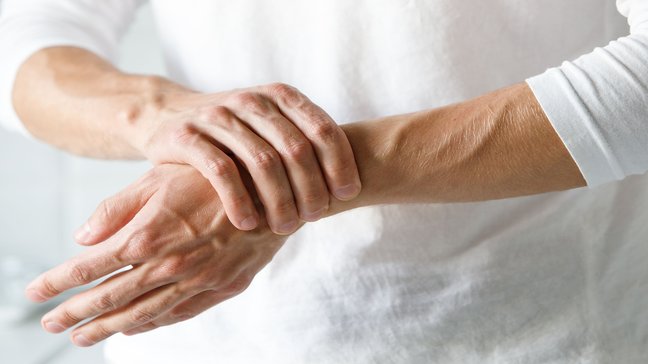
Post-infectious arthritis
Post-infectious arthritis, also known as reactive arthritis, is an inflammatory joint disease that occurs as a result of an infection. It usually develops a few weeks after an infection of the gastrointestinal tract, respiratory tract, or urogenital…
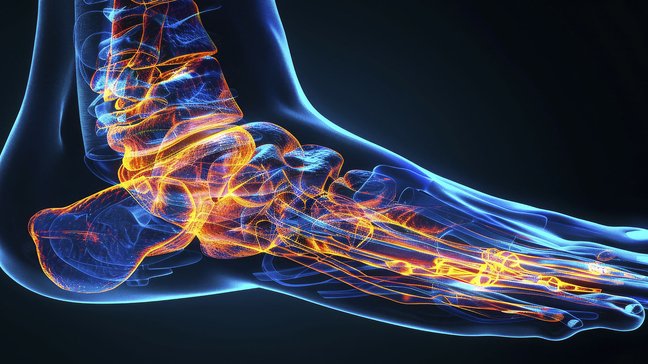
Paget's disease (Paget's disease)
Paget's disease, also known as Paget's disease of bone, is a chronic bone disorder characterized by disrupted remodeling processes in bone tissue. It leads to abnormal enlargement, thickening, and weakening of the affected bone. Typical symptoms…
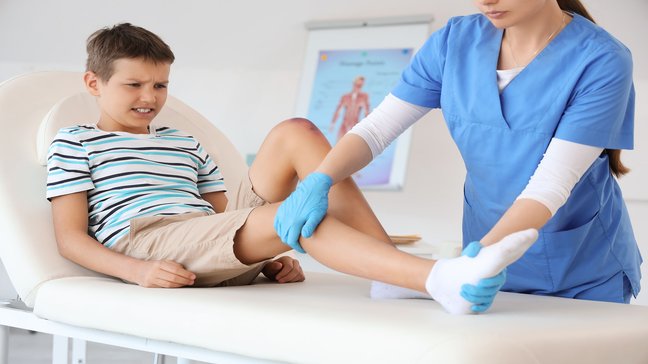
Juvenile Arthritis
Juvenile arthritis, medically referred to as juvenile idiopathic arthritis (JIA), is a chronic inflammatory joint disease that occurs in children and adolescents under 16 years of age. It is the most common rheumatic disease in this age group and can…
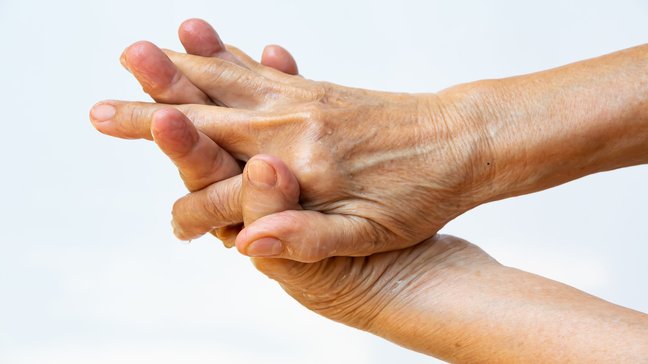
Gout
Gout is a metabolic disorder characterized by elevated uric acid levels (hyperuricemia) in the blood. It leads to the formation of uric acid crystals in joints, tissues, and organs, causing severe pain and inflammatory reactions. Gout usually occurs…
Osteoporosis
Classification of Osteoporosis
Osteoporosis is divided into the following categories depending on cause and course:
- Primary osteoporosis:
Affects mainly women after menopause (postmenopausal osteoporosis) and older men (senile osteoporosis). - Secondary osteoporosis:
Caused by other diseases or medications, such as endocrine disorders, chronic inflammations, or long-term cortisone therapy. - Idiopathic osteoporosis:
Occurs in young people without a recognizable cause.
Causes of Osteoporosis
The causes of osteoporosis are varied and depend on the type of the condition:
- Hormonal changes:
- Estrogen deficiency after menopause is a major cause of primary osteoporosis.
- In men, a testosterone deficiency can lead to a reduction in bone density.
- Genetic factors:
- A family history suggests a genetic predisposition.
- Nutritional deficiencies:
- A deficiency of calcium, vitamin D, or protein can reduce bone strength.
- Medications:
- Long-term use of glucocorticoids or antiepileptic drugs increases the risk.
- Lifestyle:
- Lack of exercise, smoking, and excessive alcohol consumption impair bone structure.
- Diseases:
- Diseases such as rheumatoid arthritis, hyperthyroidism or chronic kidney disease promote the development of osteoporosis.
Symptoms of osteoporosis
Osteoporosis often remains asymptomatic for a long time and is frequently only discovered after a fracture. Possible symptoms include:
- Fractures from minor trauma:
Fractures of the vertebral bodies, hip, or wrist occur even with small stresses or falls. - Back pain:
Pain due to vertebral body fractures or muscle tension. - Loss of height:
Shrinking due to vertebral body fractures and changes in posture. - Hunched back (kyphosis):
Curvature of the spine that can lead to a limitation of mobility. - Feeling of weakness:
General weakness and unsteadiness when walking due to reduced stability of the skeleton.
Diagnosis of Osteoporosis
The diagnosis is made through a combination of medical history, clinical examination, and special tests:
- Medical history:
The physician inquires about risk factors, pre-existing conditions, and family history. - Clinical examination:
Assessment of posture, height, and mobility as well as the location of pain. - Bone density measurement (DXA):
Gold standard for determining bone density and assessing fracture risk. - Blood and urine tests:
Assessment of calcium and vitamin D levels as well as other markers of bone metabolism. - Imaging methods:
- X-ray: Visualization of vertebral body changes and fractures.
- MRI: Detailed assessment of bone marrow changes and fractures.
Treatment options for osteoporosis
The treatment aims to stop bone loss, increase bone density, and prevent fractures:
- Pharmacological therapy:
- Bisphosphonates to inhibit bone resorption.
- Denosumab to reduce fracture risk.
- Teriparatide to stimulate bone formation.
- Dietary adjustment:
- Adequate intake of calcium (1,000–1,200 mg/day) and vitamin D (800–1,000 IU/day).
- Physiotherapy:
- Fall prevention:
- Measures to prevent falls, such as removing tripping hazards and using assistive devices.
In severe fractures, surgical interventions may be necessary:
- Kyphoplasty or vertebroplasty:
- Stabilization of vertebral body fractures through cement injections.
- Hip joint replacement:
- For hip fractures through implantation of a prosthesis.
Preventive measures for osteoporosis
To prevent osteoporosis, the following measures are recommended:
- Balanced diet: Adequate intake of calcium, vitamin D, and protein.
- Regular physical activity: Promoting bone density through weight training and low-impact sports.
- Avoidance of risk factors: Refrain from smoking and excessive alcohol consumption.
- Fall prevention: Securing the home environment and balance training.
- Early detection: Regular check-ups for at-risk groups, especially postmenopausal women and older adults.
Post-infectious arthritis
Post-infectious arthritis, also known as reactive arthritis, is an inflammatory joint disease that occurs as a result of an infection. It usually develops a few weeks after an infection of the gastrointestinal tract, respiratory tract, or urogenital…
Paget's disease (Paget's disease)
Paget's disease, also known as Paget's disease of bone, is a chronic bone disorder characterized by disrupted remodeling processes in bone tissue. It leads to abnormal enlargement, thickening, and weakening of the affected bone. Typical symptoms…
Juvenile Arthritis
Juvenile arthritis, medically referred to as juvenile idiopathic arthritis (JIA), is a chronic inflammatory joint disease that occurs in children and adolescents under 16 years of age. It is the most common rheumatic disease in this age group and can…
Gout
Gout is a metabolic disorder characterized by elevated uric acid levels (hyperuricemia) in the blood. It leads to the formation of uric acid crystals in joints, tissues, and organs, causing severe pain and inflammatory reactions. Gout usually occurs…