

Foot pain
Classification of Foot Pain
Foot pain can be classified according to location and cause:
- Heel pain:
- Pain in the back or bottom of the heel, often caused by plantar fasciitis or heel spurs.
- Forefoot pain:
- Pain in the area of the toes or ball of the foot, often due to metatarsalgia or Morton's neuroma.
- Midfoot pain:
- Discomfort in the middle foot area, often triggered by stress fractures or tendonitis.
- Ankle pain:
- Pain in the ankle area, which can be caused by sprains, arthritis, or injuries.
Causes of foot pain
The causes of foot pain are varied and range from mechanical stress to systemic diseases:
-
Mechanical causes:
- Overload: Prolonged standing, walking, or intense sports activities lead to microtraumas that can trigger pain.
- Misalignments: Foot misalignments such as flatfoot, high arch, or hallux valgus increase the stress on certain areas of the foot and cause pain.
- Inappropriate footwear: Shoes with insufficient cushioning or improper fit promote misloading and pressure points.
-
Traumatic causes:
- Sprains or fractures: Acute injuries, such as twisting or falls, can cause pain and swelling.
- Stress fractures: Repeated stress, especially in athletes, leads to small cracks in the bone.
-
Inflammatory diseases:
- Plantar fasciitis: An inflammation of the plantar fascia, often associated with heel pain.
- Achillodynia: Pain and inflammation of the Achilles tendon.
- Arthritis: Rheumatoid or gouty arthritis can lead to painful inflammation in the foot joints.
-
Systemic diseases:
- Diabetes mellitus: Neuropathies or circulatory disorders can cause foot pain and serious complications such as diabetic foot syndrome.
- Vascular diseases: Circulatory disorders, such as peripheral arterial occlusive disease, can cause pain in the feet.
Symptoms of foot pain
The symptoms vary depending on the cause and severity of the condition, but often include:
- Localized pain:
- Acute or chronic pain in specific areas of the foot, such as the heel, toes, or ankle.
- Swelling:
- Inflammatory reactions or injuries often lead to swelling in the affected area.
- Movement restrictions:
- Pain can impair mobility and make walking or standing difficult.
- Skin changes:
- Redness, blisters, or callus formation, especially in cases of improper loading.
- Crepitus:
- Crunching noises that may indicate damage to the joints or tendons.
Diagnosis of Foot Pain
The diagnosis is made through a thorough medical history, physical examination, and, if necessary, imaging techniques:
- Medical history:
- Assessment of symptoms, their duration, and possible triggers such as injuries or overuse.
- Clinical examination:
- Checking foot shape, tenderness, mobility, and gait pattern.
- Imaging techniques:
- X-ray: To assess bone changes or fractures.
- MRI: Visualization of soft tissues, tendons, and ligaments.
- Ultrasound: To examine inflammations or fluid accumulations.
Treatment options for foot pain
Conservative Therapy
Most foot pain can be treated with non-operative measures:
- Pain Therapy:
- Use of anti-inflammatory medications like ibuprofen to relieve acute discomfort.
- Physiotherapy:
- Targeted exercises to improve foot posture and strengthen muscles.
- Manual therapy to treat tension and blockages.
- Orthopedic Aids:
- Use of insoles or special shoes to relieve and correct misalignments.
- Local Applications:
- Cooling for acute injuries or warmth for relaxation in chronic conditions.
Operative Therapy
In severe or chronic cases, surgical intervention may be necessary:
- Tendon or Ligament Reconstruction:
- For severe injuries or instabilities.
- Removal of Bone Spurs:
- To treat heel spurs or osteophytes.
- Corrective Surgeries:
- To correct misalignments such as hallux valgus or flatfoot.
Preventive measures for foot pain
To prevent foot pain, it is advisable to take the following measures:
- Ergonomic footwear:
- Wearing comfortable and well-supporting shoes, especially during longer periods of walking or standing.
- Regular exercise:
- Promoting foot muscles through targeted exercises and walks.
- Weight management:
- Reducing excess weight to decrease the load on the feet.
- Load management:
- Avoiding overexertion and taking regular breaks during sports activities.
- Early treatment:
- Immediate therapy at the first signs of pain or discomfort to avoid complications.

Fallen/Spread Foot
The flat/splayfoot is a common foot deformity characterized by a flattening of the longitudinal arch (flatfoot) and/or a widening of the forefoot due to a lowered transverse arch (splayfoot). These deformities often occur together and can lead to…
Knick-sink-foot
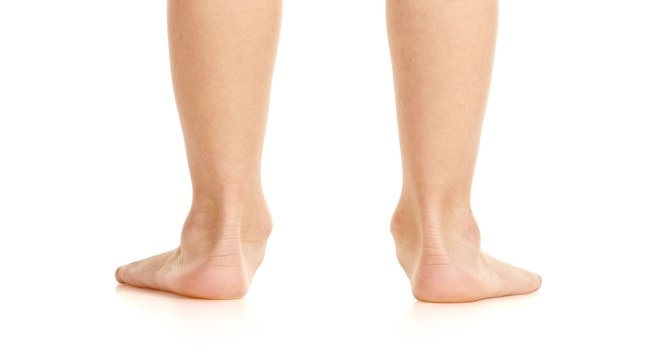
The flat-valgus foot (pes planovalgus) is a common foot deformity in which the longitudinal arch of the foot is flattened (flatfoot), and the heel tilts inward (valgus foot). This deformity can occur in both children and adults. While it is often…
Flatfoot (Pes Planus)
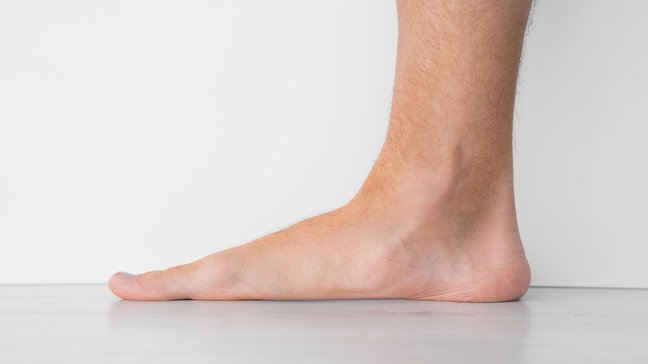
A flatfoot, medically referred to as pes planus, is a foot deformity where the arch of the foot is flattened or completely absent. This condition can be congenital or acquired and often occurs in both children and adults. While mild forms often…

Tarsal arthritis
Tarsal arthritis, also known as osteoarthritis in the area of the tarsal bones, is a degenerative joint disease that affects the tarsal region. It often occurs in older people but can also be caused by injuries or misalignments. The disease leads to…
Foot pain
Classification of Foot Pain
Foot pain can be classified according to location and cause:
- Heel pain:
- Pain in the back or bottom of the heel, often caused by plantar fasciitis or heel spurs.
- Forefoot pain:
- Pain in the area of the toes or ball of the foot, often due to metatarsalgia or Morton's neuroma.
- Midfoot pain:
- Discomfort in the middle foot area, often triggered by stress fractures or tendonitis.
- Ankle pain:
- Pain in the ankle area, which can be caused by sprains, arthritis, or injuries.
Causes of foot pain
The causes of foot pain are varied and range from mechanical stress to systemic diseases:
-
Mechanical causes:
- Overload: Prolonged standing, walking, or intense sports activities lead to microtraumas that can trigger pain.
- Misalignments: Foot misalignments such as flatfoot, high arch, or hallux valgus increase the stress on certain areas of the foot and cause pain.
- Inappropriate footwear: Shoes with insufficient cushioning or improper fit promote misloading and pressure points.
-
Traumatic causes:
- Sprains or fractures: Acute injuries, such as twisting or falls, can cause pain and swelling.
- Stress fractures: Repeated stress, especially in athletes, leads to small cracks in the bone.
-
Inflammatory diseases:
- Plantar fasciitis: An inflammation of the plantar fascia, often associated with heel pain.
- Achillodynia: Pain and inflammation of the Achilles tendon.
- Arthritis: Rheumatoid or gouty arthritis can lead to painful inflammation in the foot joints.
-
Systemic diseases:
- Diabetes mellitus: Neuropathies or circulatory disorders can cause foot pain and serious complications such as diabetic foot syndrome.
- Vascular diseases: Circulatory disorders, such as peripheral arterial occlusive disease, can cause pain in the feet.
Symptoms of foot pain
The symptoms vary depending on the cause and severity of the condition, but often include:
- Localized pain:
- Acute or chronic pain in specific areas of the foot, such as the heel, toes, or ankle.
- Swelling:
- Inflammatory reactions or injuries often lead to swelling in the affected area.
- Movement restrictions:
- Pain can impair mobility and make walking or standing difficult.
- Skin changes:
- Redness, blisters, or callus formation, especially in cases of improper loading.
- Crepitus:
- Crunching noises that may indicate damage to the joints or tendons.
Diagnosis of Foot Pain
The diagnosis is made through a thorough medical history, physical examination, and, if necessary, imaging techniques:
- Medical history:
- Assessment of symptoms, their duration, and possible triggers such as injuries or overuse.
- Clinical examination:
- Checking foot shape, tenderness, mobility, and gait pattern.
- Imaging techniques:
- X-ray: To assess bone changes or fractures.
- MRI: Visualization of soft tissues, tendons, and ligaments.
- Ultrasound: To examine inflammations or fluid accumulations.
Treatment options for foot pain
Conservative Therapy
Most foot pain can be treated with non-operative measures:
- Pain Therapy:
- Use of anti-inflammatory medications like ibuprofen to relieve acute discomfort.
- Physiotherapy:
- Targeted exercises to improve foot posture and strengthen muscles.
- Manual therapy to treat tension and blockages.
- Orthopedic Aids:
- Use of insoles or special shoes to relieve and correct misalignments.
- Local Applications:
- Cooling for acute injuries or warmth for relaxation in chronic conditions.
Operative Therapy
In severe or chronic cases, surgical intervention may be necessary:
- Tendon or Ligament Reconstruction:
- For severe injuries or instabilities.
- Removal of Bone Spurs:
- To treat heel spurs or osteophytes.
- Corrective Surgeries:
- To correct misalignments such as hallux valgus or flatfoot.
Preventive measures for foot pain
To prevent foot pain, it is advisable to take the following measures:
- Ergonomic footwear:
- Wearing comfortable and well-supporting shoes, especially during longer periods of walking or standing.
- Regular exercise:
- Promoting foot muscles through targeted exercises and walks.
- Weight management:
- Reducing excess weight to decrease the load on the feet.
- Load management:
- Avoiding overexertion and taking regular breaks during sports activities.
- Early treatment:
- Immediate therapy at the first signs of pain or discomfort to avoid complications.
Fallen/Spread Foot
The flat/splayfoot is a common foot deformity characterized by a flattening of the longitudinal arch (flatfoot) and/or a widening of the forefoot due to a lowered transverse arch (splayfoot). These deformities often occur together and can lead to…
Knick-sink-foot
The flat-valgus foot (pes planovalgus) is a common foot deformity in which the longitudinal arch of the foot is flattened (flatfoot), and the heel tilts inward (valgus foot). This deformity can occur in both children and adults. While it is often…
Flatfoot (Pes Planus)
A flatfoot, medically referred to as pes planus, is a foot deformity where the arch of the foot is flattened or completely absent. This condition can be congenital or acquired and often occurs in both children and adults. While mild forms often…
Tarsal arthritis
Tarsal arthritis, also known as osteoarthritis in the area of the tarsal bones, is a degenerative joint disease that affects the tarsal region. It often occurs in older people but can also be caused by injuries or misalignments. The disease leads to…