
Orthopedic Lexicon
This orthopedic guide provides you with concise and easy-to-understand information on orthopedic conditions, examinations, and therapies—from the foot and ankle through the knee and hip to the spine.
Use these filters to quickly look up, by body region and topic area, those articles that match your current symptoms. For an individual assessment and therapy planning, please schedule a personal appointment with us at the Orthopädiezentrum Wien.
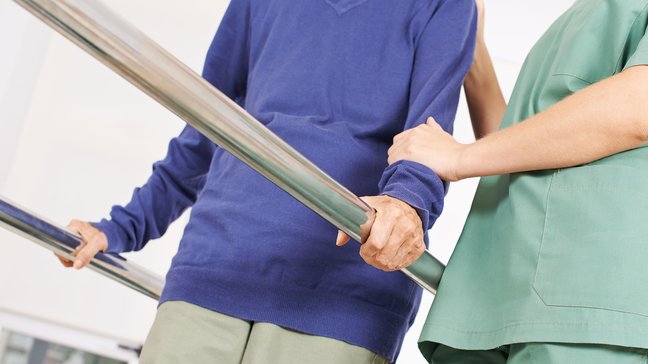
Functional Movement Therapy
Functional movement therapy is a holistic method aimed at improving mobility and body functionality. Through specific exercises and movement patterns, natural movements are trained to strengthen muscles, improve joint mobility, and facilitate…
Functional Movement Therapy
Functional movement therapy is a holistic method aimed at improving mobility and body functionality. Through specific exercises and movement patterns, natural movements are trained to strengthen muscles, improve joint mobility, and facilitate…

Glutealgia
Glutealgia, or buttock pain, is a symptom that can be caused by various factors. The pain is usually localized in the buttock area but can also radiate to the lower back, hip, or legs. Glutealgia significantly affects mobility and quality of life,…
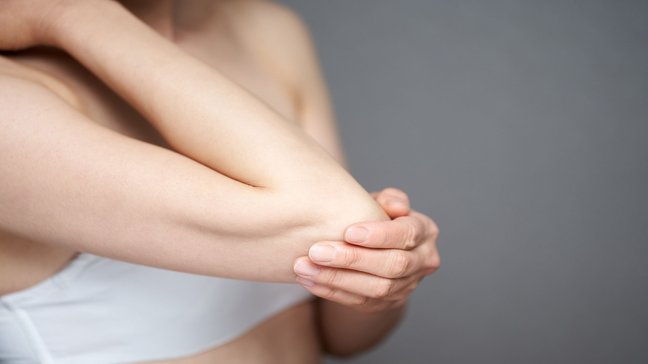
Golfer's elbow (medial epicondylitis)
Golfer's elbow, medically referred to as medial epicondylitis, is a painful overuse condition affecting the tendon attachments of the wrist and finger flexor muscles on the inside of the elbow. Despite its name, this condition does not only occur in…
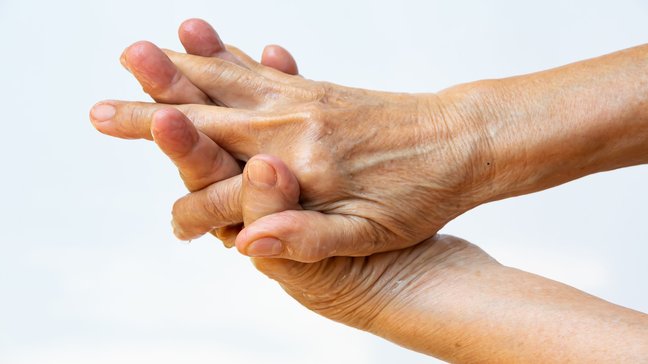
Gout
Gout is a metabolic disorder characterized by elevated uric acid levels (hyperuricemia) in the blood. It leads to the formation of uric acid crystals in joints, tissues, and organs, causing severe pain and inflammatory reactions. Gout usually occurs…
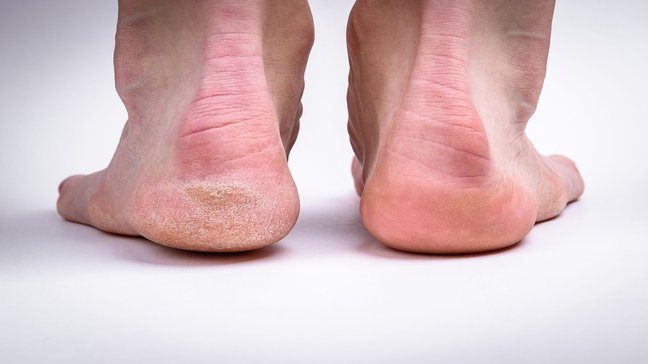
Haglund's heel (Haglund deformity)
The Haglund heel, also known as Haglund's exostosis or Haglund's syndrome, is a bony protrusion at the upper rear edge of the heel bone (calcaneus). This deformity often leads to pain and inflammation in the area of the Achilles tendon and the…
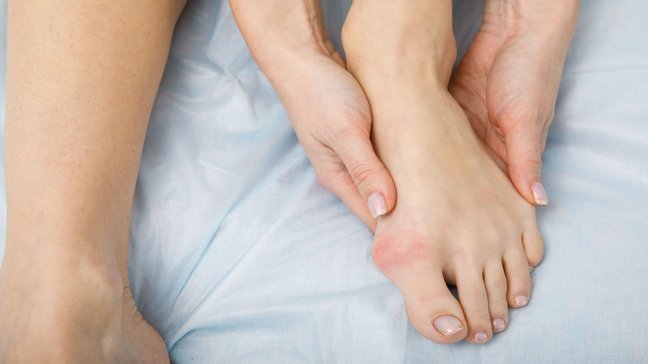
Hallux Valgus
Hallux valgus, colloquially known as a bunion, is a common foot deformity where the big toe (hallux) deviates towards the other toes. This results in a protrusion of the big toe joint, which is often painful and leads to problems when wearing shoes.…
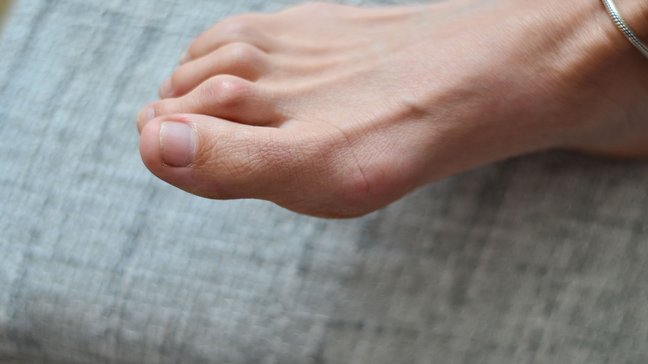
Hammer toes
Hammer toes are a common deformity of the toes, where the middle joint of the affected toe is bent upwards while the end joint points downwards. This deformity leads to a characteristic claw-like shape, which can cause pain, pressure points, and…
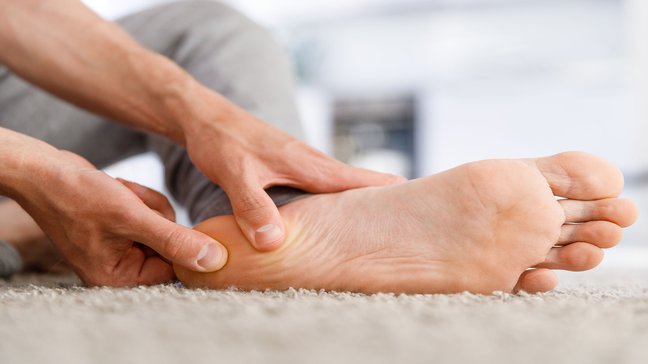
Heel pain
Heel pain is a common complaint that can affect people of all ages. It can be triggered by numerous factors, including overuse, misalignments, inflammation, or injuries. Heel pain often impairs the mobility and quality of life of those affected, as…
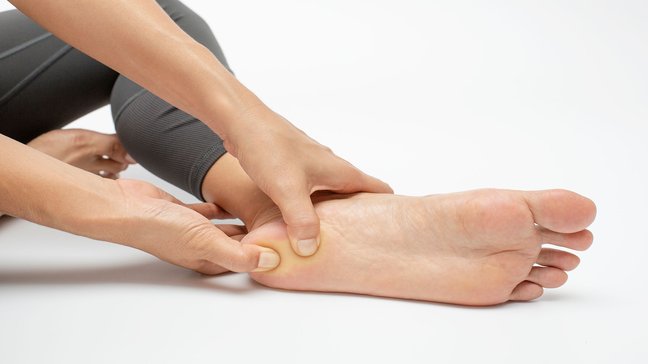
Heelspoor en fasciitis plantaris
Heel spurs and plantar fasciitis are closely related conditions that are often the cause of heel pain. While a heel spur is a bony change in the heel bone, plantar fasciitis is an inflammatory condition of the plantar fascia, an important tendon…
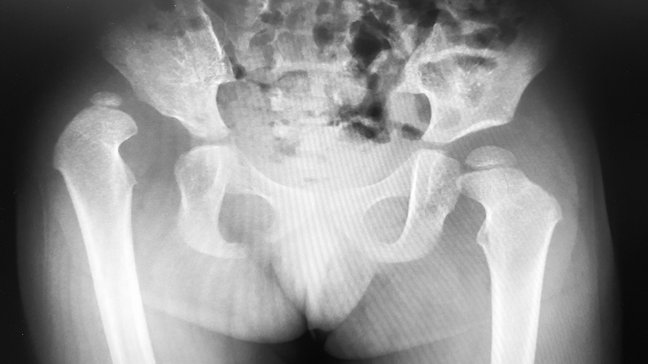
Hip dysplasia
Hip dysplasia, also referred to as hip joint dysplasia, is a congenital or acquired malformation of the hip joint. The hip socket (acetabulum) is insufficiently developed, which leads to the femoral head (caput femoris) not sitting optimally in the…

Hip pain
Hip pain is a common symptom that can affect people of all ages. The pain can occur in the groin area, buttocks, or the outside of the thigh and can be both acute and chronic. It often impairs the mobility and quality of life of those affected.

Iliopsoas shortening
The iliopsoas shortening describes a shortening of the iliopsoas muscle, which consists of the psoas major muscle and the iliacus muscle. This muscle complex is the main flexor of the hip joint and plays an important role in stabilizing the spine. A…
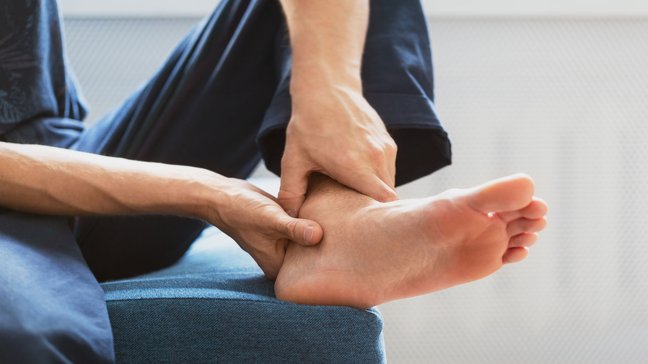
Impingement in the ankle joint.
Impingement in the ankle joint, also known as impingement syndrome, describes a mechanical pinching of tissue, tendons, or bone structures in the upper ankle joint. This pinching leads to pain, movement restrictions, and often to chronic complaints.…
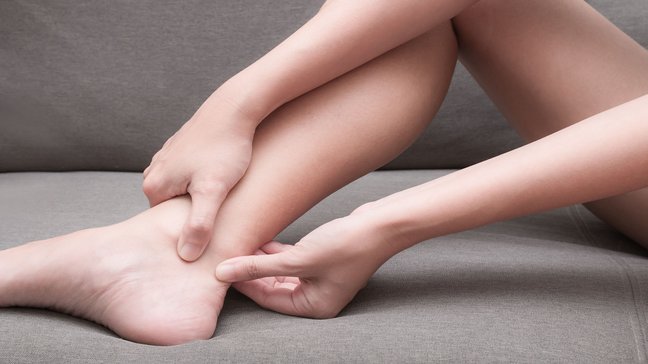
Inflammation/tear of the tibialis posterior tendon
The tibialis posterior tendon plays a crucial role in stabilizing the longitudinal arch of the foot and supporting foot movements. Inflammation or tears of this tendon can lead to significant functional impairments and foot deformities.
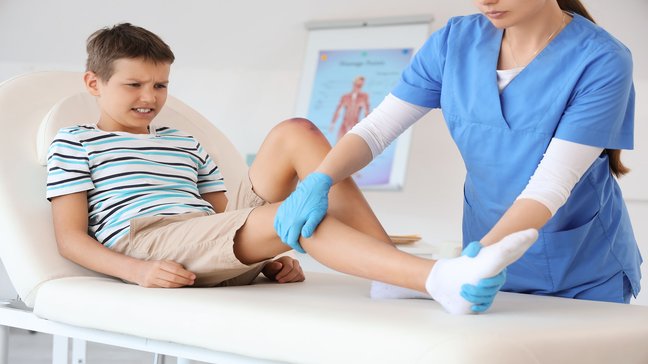
Juvenile Arthritis
Juvenile arthritis, medically referred to as juvenile idiopathic arthritis (JIA), is a chronic inflammatory joint disease that occurs in children and adolescents under 16 years of age. It is the most common rheumatic disease in this age group and can…

Knee joint inflammation (arthritis)
Inflammation of the knee joint, medically referred to as arthritis of the knee joint, is an inflammatory condition that affects the knee joint. It can be triggered by infections, autoimmune diseases, or overuse and leads to pain, swelling, and…
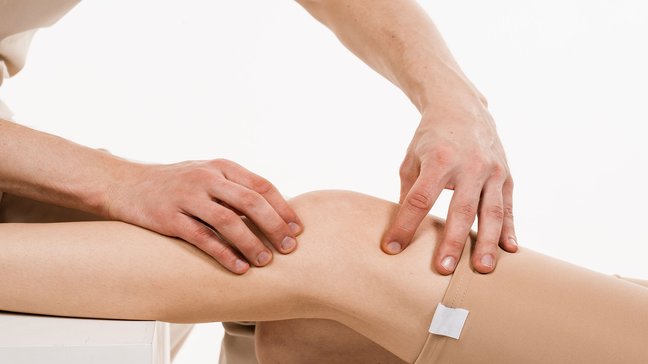
Knee pain
Knee pain is a common symptom that can affect people of all ages. It can result from acute injuries, chronic conditions, or overuse. The knee joint is one of the largest and most complex joints in the human body, making it particularly susceptible to…

Kneecap osteoarthritis (retropatellar osteoarthritis)
Patellar osteoarthritis, medically referred to as retropatellar osteoarthritis, is a specific form of osteoarthritis where the cartilage on the back of the kneecap (patella) is worn down. This condition leads to pain and movement restrictions in the…
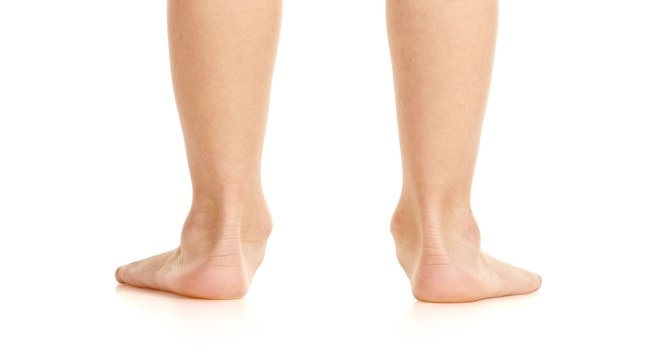
Knick-sink-foot
The flat-valgus foot (pes planovalgus) is a common foot deformity in which the longitudinal arch of the foot is flattened (flatfoot), and the heel tilts inward (valgus foot). This deformity can occur in both children and adults. While it is often…
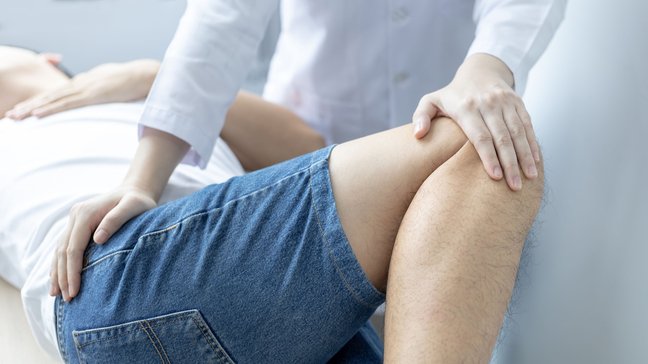
Labral tear of the hip
A labral tear of the hip refers to damage or injury to the acetabular labrum, a cartilage-like structure that surrounds the hip socket. The labrum stabilizes the hip joint by increasing the contact area between the socket and the head while…

Loose bodies
Loose bodies, also known as joint mice or corpora libera, are freely movable structures in the joint cavity that consist of cartilage, bone, or soft tissue. They usually arise from injuries, degenerative processes, or inflammatory diseases and can…
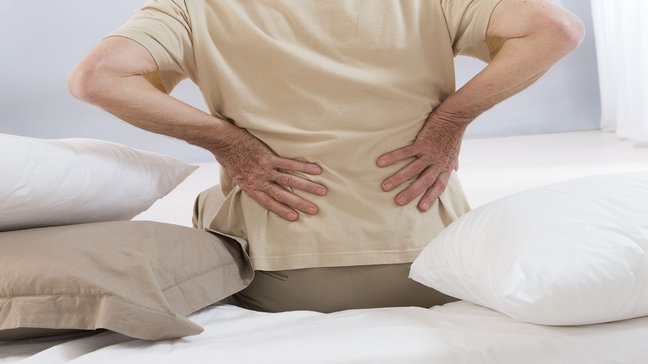
Lumbago
A lumbago, medically referred to as lumbago, is a sudden, sharp pain in the lower back, usually in the lumbar spine. It is one of the most common musculoskeletal complaints and affects people of all ages, with middle-aged adults being particularly…

Manual Therapy
Manual therapy is a specialized diagnostic and therapeutic procedure for treating functional disorders of the musculoskeletal system. It is often used by physiotherapists, chiropractors, and osteopaths to release joint blockages, relieve muscle…
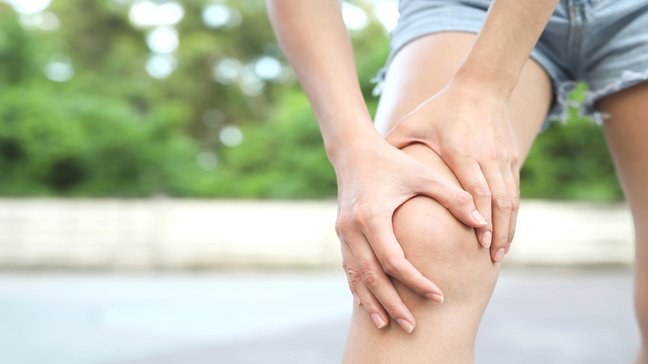
Medial collateral ligament tear
An inner ligament tear, medically referred to as a rupture of the medial collateral ligament (MCL), is a common knee injury. The inner ligament stabilizes the inside of the knee and protects the joint from bending inward (valgus stress). This injury…
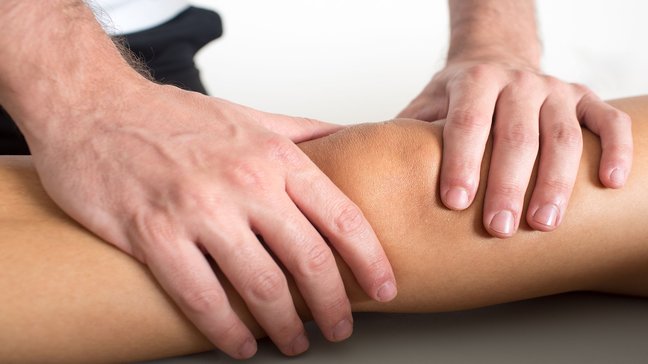
Meniscus tear
A meniscus tear, medically referred to as a rupture of the meniscus, is a common injury of the knee joint. The meniscus consists of two cartilage-like structures (medial and lateral meniscus) that serve as shock absorbers and stabilizers in the knee…
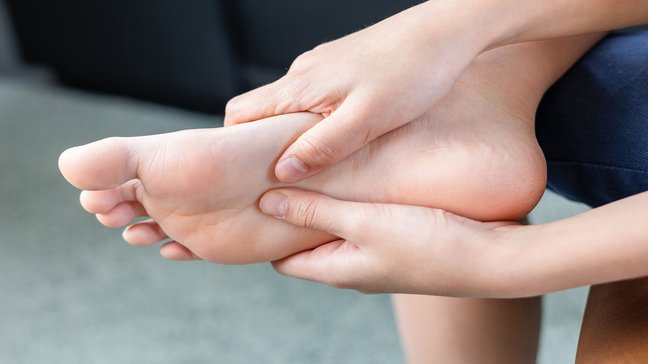
Metatarsalgia
Metatarsalgia describes pain in the forefoot area, often occurring under the metatarsal heads. These complaints usually arise from overuse, misalignments, or degenerative changes in the foot. People who stand a lot, walk, or are physically active are…

Morton Neuroma
Morton's neuroma, also known as Morton's metatarsalgia, is a painful thickening of nerve tissue that typically occurs between the metatarsal bones in the area of the third and fourth toes. It is a common cause of forefoot pain, caused by mechanical…
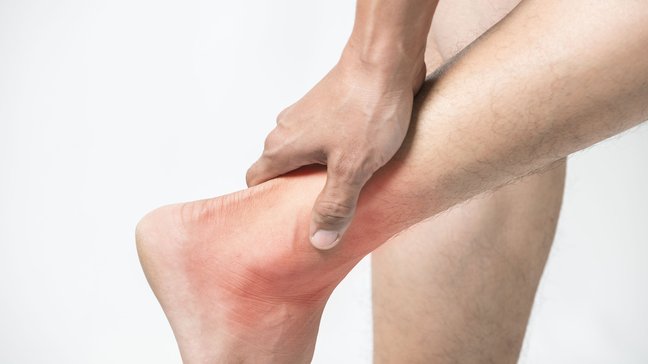
Müller-Weiss syndrome
Müller-Weiss syndrome is a rare, degenerative disease of the navicular bone in the midfoot, primarily occurring in adults between 40 and 60 years of age. It is a spontaneous, non-traumatic bone necrosis that leads to deformities, pain, and movement…

Muscle fiber tear in the calf
A muscle fiber tear in the calf is one of the most common sports injuries and occurs due to overloading of the calf muscle. This results in the tearing of individual or multiple muscle fibers, accompanied by acute pain, swelling, and restricted…