

Knee pain
Classification of Knee Pain
Knee pain can be classified by cause and location:
- Acute knee pain: Occurs suddenly, often as a result of injuries such as meniscus tears or ligament strains.
- Chronic knee pain: Develops over a longer period, often due to osteoarthritis or inflammatory diseases like arthritis.
- Anterior knee pain: Pain in the area of the kneecap, often due to overuse or misalignment.
- Medial or lateral knee pain: Pain on the inside or outside of the knee, often caused by meniscus damage or ligament problems.
- Posterior knee pain: Occurs in the area of the back of the knee, often as a result of cyst formation or injuries to the posterior structures.
Causes of knee pain
The main causes of knee pain can be divided into several categories:
- Injuries:
- Acute injuries such as meniscus tears, cruciate ligament injuries, or patellar dislocations.
- Overstretching of the ligaments due to sports accidents or sudden movements.
- Mechanical overload:
- Frequent stair climbing, squatting, or jumping puts stress on the knee and leads to wear and tear.
- Excess weight increases the load on the knee joint and can cause pain.
- Degenerative diseases:
- Osteoarthritis is one of the most common causes of chronic knee pain and leads to cartilage degradation.
- Inflammatory diseases:
- Rheumatoid arthritis or gout cause inflammation and pain in the knee joint.
- Misalignments:
- Knock-knees or bowlegs lead to asymmetric loading of the knee joint.
- Cysts and tumors:
- Cysts such as Baker's cyst or rare tumors can cause pain in the knee.
Symptoms of knee pain
The symptoms vary depending on the cause and severity of the complaints:
- **Pain:** Pain can be localized or diffuse and often occurs during exertion or at rest.
- **Swelling:** Inflammations or injuries often lead to swelling in the knee area.
- **Movement restrictions:** Difficulties in bending or straightening the knee.
- **Crunching or rubbing:** Mechanical noises during movements, especially in osteoarthritis.
- **Instability:** Giving way or insecurity when walking, especially in ligament injuries.
- **Redness and overheating:** Typical signs of inflammation, as in arthritis or gout.
Diagnosis of knee pain
The diagnosis is made through a combination of medical history, physical examination, and imaging techniques:
- Medical history:
- The doctor inquires about typical symptoms, possible triggers, and existing preconditions.
- Physical examination:
- Checking for swelling, tenderness, and movement restrictions.
- Imaging techniques:
- X-ray: Visualization of bone anomalies, joint space narrowing, or misalignments.
- MRI: Examination of soft tissue damage, such as meniscus or ligament injuries.
- Ultrasound: Assessment of fluid accumulations or inflammatory processes.
Treatment options for knee pain
Conservative Therapy
Most cases of knee pain can be treated without surgery:
- Physical Therapy:
- Exercises to strengthen muscles and improve mobility.
- Medication Therapy:
- NSAIDs for pain relief and anti-inflammation.
- Injections:
- Hyaluronic acid to improve joint function.
- Cortisone for acute inflammation.
- Orthopedic Aids:
- Use of braces or orthoses to stabilize the joint.
Surgical Therapy
In cases of severe or chronic complaints, surgery may be necessary:
- Arthroscopy:
- Minimally invasive procedures to remove damaged tissue or treat meniscus injuries.
- Joint Replacement:
- Partial or total prostheses for irreparable joint damage due to osteoarthritis.
- Ligament Reconstruction:
- Restoration of stability in cruciate or collateral ligament injuries.
Preventive measures for knee pain
To prevent knee pain, the following measures are recommended:
- Regular exercise: Joint-friendly sports such as swimming or cycling promote knee function.
- Strengthening the muscles: Training the thigh and calf muscles stabilizes the knee joint.
- Weight reduction: A healthy body weight reduces the strain on the knee.
- Ergonomic posture: Avoidance of poor posture and overstrain through correct movement patterns.
- Early detection: At the first signs of discomfort, a doctor should be consulted in a timely manner to prevent long-term damage.
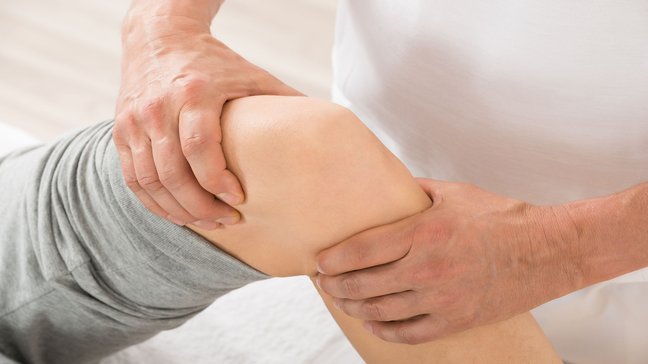
Bursitis in the knee (Bursitis)
Bursitis in the knee, also known as bursitis, is an inflammatory condition of the bursae in the knee joint. These fluid-filled cushions reduce friction between bones, tendons, and muscles. There are several bursae in the knee, the most commonly…
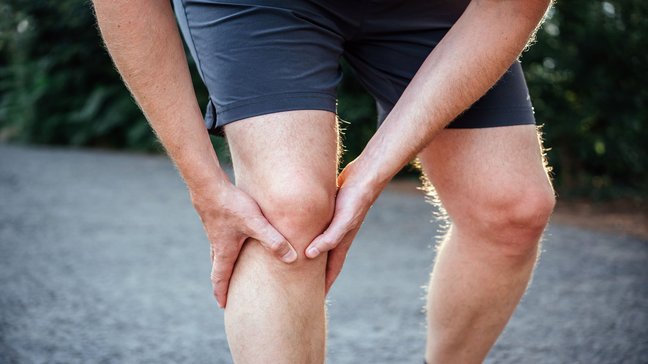
Patellar tip syndrome (Jumper's Knee)
A patellar dislocation refers to the dislocation of the kneecap (patella) from its natural position in the femoral groove of the thigh bone (femur). This injury often occurs in young, active individuals and is usually associated with severe pain and…
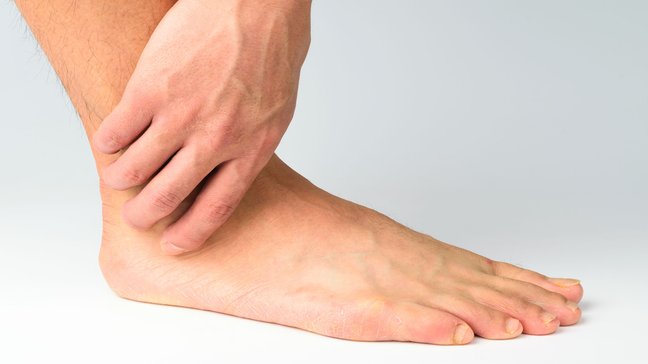
Osteochondrosis dissecans
Osteochondrosis dissecans (OD) is a joint disease in which a cartilage-bone fragment becomes detached. It primarily affects young, physically active individuals and often occurs in the knee joint, but can also affect other joints such as the ankle,…
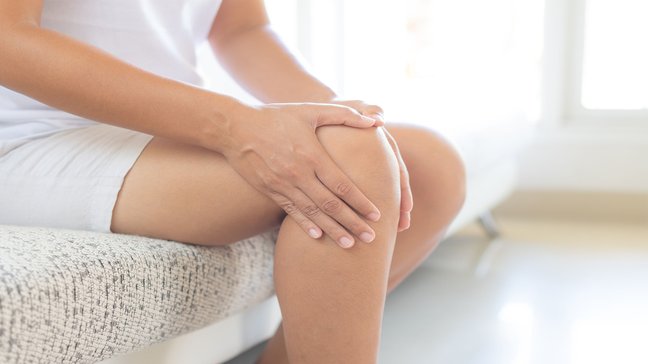
Kneecap osteoarthritis (retropatellar osteoarthritis)
Patellar osteoarthritis, medically referred to as retropatellar osteoarthritis, is a specific form of osteoarthritis where the cartilage on the back of the kneecap (patella) is worn down. This condition leads to pain and movement restrictions in the…
Knee pain
Classification of Knee Pain
Knee pain can be classified by cause and location:
- Acute knee pain: Occurs suddenly, often as a result of injuries such as meniscus tears or ligament strains.
- Chronic knee pain: Develops over a longer period, often due to osteoarthritis or inflammatory diseases like arthritis.
- Anterior knee pain: Pain in the area of the kneecap, often due to overuse or misalignment.
- Medial or lateral knee pain: Pain on the inside or outside of the knee, often caused by meniscus damage or ligament problems.
- Posterior knee pain: Occurs in the area of the back of the knee, often as a result of cyst formation or injuries to the posterior structures.
Causes of knee pain
The main causes of knee pain can be divided into several categories:
- Injuries:
- Acute injuries such as meniscus tears, cruciate ligament injuries, or patellar dislocations.
- Overstretching of the ligaments due to sports accidents or sudden movements.
- Mechanical overload:
- Frequent stair climbing, squatting, or jumping puts stress on the knee and leads to wear and tear.
- Excess weight increases the load on the knee joint and can cause pain.
- Degenerative diseases:
- Osteoarthritis is one of the most common causes of chronic knee pain and leads to cartilage degradation.
- Inflammatory diseases:
- Rheumatoid arthritis or gout cause inflammation and pain in the knee joint.
- Misalignments:
- Knock-knees or bowlegs lead to asymmetric loading of the knee joint.
- Cysts and tumors:
- Cysts such as Baker's cyst or rare tumors can cause pain in the knee.
Symptoms of knee pain
The symptoms vary depending on the cause and severity of the complaints:
- **Pain:** Pain can be localized or diffuse and often occurs during exertion or at rest.
- **Swelling:** Inflammations or injuries often lead to swelling in the knee area.
- **Movement restrictions:** Difficulties in bending or straightening the knee.
- **Crunching or rubbing:** Mechanical noises during movements, especially in osteoarthritis.
- **Instability:** Giving way or insecurity when walking, especially in ligament injuries.
- **Redness and overheating:** Typical signs of inflammation, as in arthritis or gout.
Diagnosis of knee pain
The diagnosis is made through a combination of medical history, physical examination, and imaging techniques:
- Medical history:
- The doctor inquires about typical symptoms, possible triggers, and existing preconditions.
- Physical examination:
- Checking for swelling, tenderness, and movement restrictions.
- Imaging techniques:
- X-ray: Visualization of bone anomalies, joint space narrowing, or misalignments.
- MRI: Examination of soft tissue damage, such as meniscus or ligament injuries.
- Ultrasound: Assessment of fluid accumulations or inflammatory processes.
Treatment options for knee pain
Conservative Therapy
Most cases of knee pain can be treated without surgery:
- Physical Therapy:
- Exercises to strengthen muscles and improve mobility.
- Medication Therapy:
- NSAIDs for pain relief and anti-inflammation.
- Injections:
- Hyaluronic acid to improve joint function.
- Cortisone for acute inflammation.
- Orthopedic Aids:
- Use of braces or orthoses to stabilize the joint.
Surgical Therapy
In cases of severe or chronic complaints, surgery may be necessary:
- Arthroscopy:
- Minimally invasive procedures to remove damaged tissue or treat meniscus injuries.
- Joint Replacement:
- Partial or total prostheses for irreparable joint damage due to osteoarthritis.
- Ligament Reconstruction:
- Restoration of stability in cruciate or collateral ligament injuries.
Preventive measures for knee pain
To prevent knee pain, the following measures are recommended:
- Regular exercise: Joint-friendly sports such as swimming or cycling promote knee function.
- Strengthening the muscles: Training the thigh and calf muscles stabilizes the knee joint.
- Weight reduction: A healthy body weight reduces the strain on the knee.
- Ergonomic posture: Avoidance of poor posture and overstrain through correct movement patterns.
- Early detection: At the first signs of discomfort, a doctor should be consulted in a timely manner to prevent long-term damage.
Bursitis in the knee (Bursitis)
Bursitis in the knee, also known as bursitis, is an inflammatory condition of the bursae in the knee joint. These fluid-filled cushions reduce friction between bones, tendons, and muscles. There are several bursae in the knee, the most commonly…
Patellar tip syndrome (Jumper's Knee)
A patellar dislocation refers to the dislocation of the kneecap (patella) from its natural position in the femoral groove of the thigh bone (femur). This injury often occurs in young, active individuals and is usually associated with severe pain and…
Osteochondrosis dissecans
Osteochondrosis dissecans (OD) is a joint disease in which a cartilage-bone fragment becomes detached. It primarily affects young, physically active individuals and often occurs in the knee joint, but can also affect other joints such as the ankle,…
Kneecap osteoarthritis (retropatellar osteoarthritis)
Patellar osteoarthritis, medically referred to as retropatellar osteoarthritis, is a specific form of osteoarthritis where the cartilage on the back of the kneecap (patella) is worn down. This condition leads to pain and movement restrictions in the…