

Heelspoor en fasciitis plantaris
Classification of Heel Spur and Plantar Fasciitis
These conditions can be classified as follows:
-
Heel spur:
- Inferior heel spur (plantar heel spur): A bony growth on the underside of the heel bone, often in the area of the plantar fascia attachment.
- Posterior heel spur (dorsal heel spur): A growth on the back of the heel bone, usually associated with the Achilles tendon.
-
Plantar fasciitis:
- Acute form: Sudden onset with intense pain, often after overuse.
- Chronic form: Slowly developing symptoms that persist over weeks or months.
Causes of Heel Spurs and Plantar Fasciitis
The causes of both conditions often overlap, but they include different focal points:
- Overuse:
- Repeated stress from prolonged standing, running, or jumping can cause micro-injuries in the plantar fascia, leading to inflammation.
- Misalignments:
- Foot misalignments such as flat feet or high arches increase the tension on the plantar fascia and promote the development of a heel spur.
- Inappropriate footwear:
- Shoes without adequate cushioning or support promote overuse of the heel.
- Overweight:
- Additional body weight increases the stress on the plantar fascia and the heel bone.
- Age:
- With increasing age, the plantar fascia loses elasticity, which favors the development of micro-injuries.
- Trauma:
- Direct injuries or a sudden twisting can damage the plantar fascia.
Symptoms of heel spur and plantar fasciitis
The symptoms vary depending on the severity and condition, but often include:
- Pain:
- Sharp pain on the underside or back of the heel, especially after getting up in the morning or after prolonged rest.
- Swelling:
- Local swelling and sometimes redness in the heel area.
- Sensitivity:
- Pain when pressure is applied to the affected area, particularly at the attachment of the plantar fascia.
- Movement restrictions:
- Difficulty walking, especially when rolling the foot.
Diagnosis of Heel Spur and Plantar Fasciitis
Conservative Therapy
Most cases can be successfully treated without surgery:
- Immobilization:
- Reduction of strenuous activities to give the plantar fascia time to heal.
- Physical Therapy:
- Stretching exercises for the plantar fascia and calf muscles for relief and strengthening.
- Strengthening of the foot muscles to support the arch.
- Orthopedic Insoles:
- Use of heel pads or specially adapted insoles to relieve the heel.
- Medication:
- Taking anti-inflammatory medications for pain relief.
- Shock Wave Therapy:
- Application of high-energy sound waves to promote circulation and healing.
Surgical Therapy
In case of persistent complaints despite conservative therapy, a surgical procedure may be necessary:
- Fasciotomy:
- Partial cutting of the plantar fascia for relief.
- Removal of the Heel Spur:
- Only in rare cases, if this is the cause of the pain.
Treatment options for heel spurs and plantar fasciitis
To prevent both conditions, the following measures are recommended:
- Appropriate footwear: Use shoes with good cushioning and adequate support.
- Regular stretching exercises: Promote the elasticity of the plantar fascia and calf muscles.
- Weight management: Reduce excess weight to relieve the feet.
- Avoidance of overloading: Limit intense physical activities and gradually increase the load.
- Early treatment: At the first signs of pain, rest and medical clarification should be sought.
Preventive measures for heel spurs and plantar fasciitis
Regular stretching exercises and targeted muscle training to strengthen the foot and lower leg muscles can help reduce the strain on the plantar fascia and heel. A balanced diet and avoiding excess weight are also important preventive measures. Wearing suitable footwear with adequate cushioning and support, as well as ergonomic adjustments in the workplace, can minimize the risk of heel spurs and plantar fasciitis.
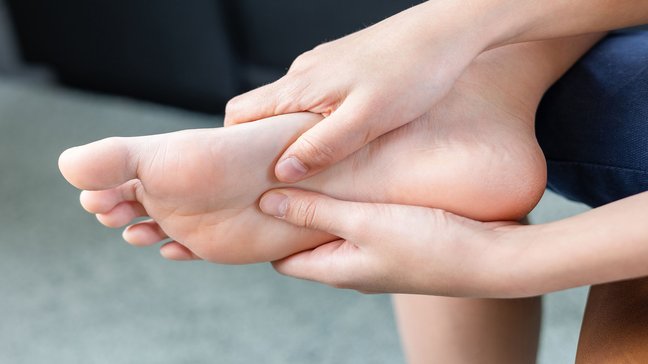
Metatarsalgia
Metatarsalgia describes pain in the forefoot area, often occurring under the metatarsal heads. These complaints usually arise from overuse, misalignments, or degenerative changes in the foot. People who stand a lot, walk, or are physically active are…
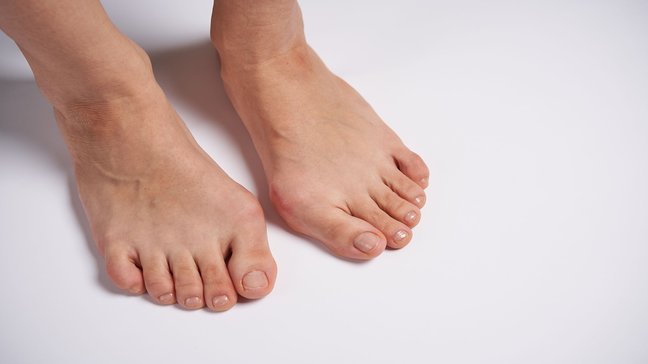
Hallux rigidus
Hallux rigidus is osteoarthritis of the big toe joint, which can lead to painful movement restrictions and eventually to joint stiffening. This condition significantly impairs the rolling motion of the foot and often affects people from middle age…
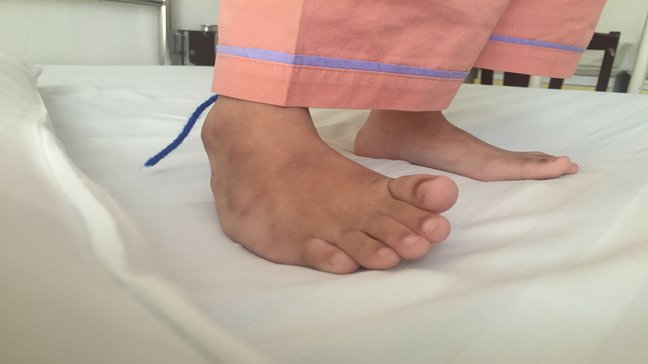
Clubfoot (Pes Equinovarus)
Clubfoot (Pes equinovarus) is a complex congenital foot deformity that occurs in about 1 in 1,000 newborns worldwide. Boys are more frequently affected than girls, and in about 50% of cases, the clubfoot is bilateral. This deformity, which can lead…
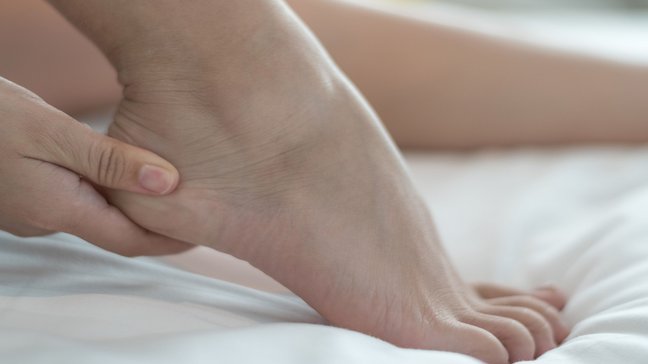
Tarsal tunnel syndrome
Tarsal tunnel syndrome is a nerve compression disorder in which the tibial nerve is constricted in the area of the tarsal tunnel, an anatomical structure on the inside of the foot. This compression leads to pain, sensory disturbances, and possibly…
Heelspoor en fasciitis plantaris
Classification of Heel Spur and Plantar Fasciitis
These conditions can be classified as follows:
-
Heel spur:
- Inferior heel spur (plantar heel spur): A bony growth on the underside of the heel bone, often in the area of the plantar fascia attachment.
- Posterior heel spur (dorsal heel spur): A growth on the back of the heel bone, usually associated with the Achilles tendon.
-
Plantar fasciitis:
- Acute form: Sudden onset with intense pain, often after overuse.
- Chronic form: Slowly developing symptoms that persist over weeks or months.
Causes of Heel Spurs and Plantar Fasciitis
The causes of both conditions often overlap, but they include different focal points:
- Overuse:
- Repeated stress from prolonged standing, running, or jumping can cause micro-injuries in the plantar fascia, leading to inflammation.
- Misalignments:
- Foot misalignments such as flat feet or high arches increase the tension on the plantar fascia and promote the development of a heel spur.
- Inappropriate footwear:
- Shoes without adequate cushioning or support promote overuse of the heel.
- Overweight:
- Additional body weight increases the stress on the plantar fascia and the heel bone.
- Age:
- With increasing age, the plantar fascia loses elasticity, which favors the development of micro-injuries.
- Trauma:
- Direct injuries or a sudden twisting can damage the plantar fascia.
Symptoms of heel spur and plantar fasciitis
The symptoms vary depending on the severity and condition, but often include:
- Pain:
- Sharp pain on the underside or back of the heel, especially after getting up in the morning or after prolonged rest.
- Swelling:
- Local swelling and sometimes redness in the heel area.
- Sensitivity:
- Pain when pressure is applied to the affected area, particularly at the attachment of the plantar fascia.
- Movement restrictions:
- Difficulty walking, especially when rolling the foot.
Diagnosis of Heel Spur and Plantar Fasciitis
Conservative Therapy
Most cases can be successfully treated without surgery:
- Immobilization:
- Reduction of strenuous activities to give the plantar fascia time to heal.
- Physical Therapy:
- Stretching exercises for the plantar fascia and calf muscles for relief and strengthening.
- Strengthening of the foot muscles to support the arch.
- Orthopedic Insoles:
- Use of heel pads or specially adapted insoles to relieve the heel.
- Medication:
- Taking anti-inflammatory medications for pain relief.
- Shock Wave Therapy:
- Application of high-energy sound waves to promote circulation and healing.
Surgical Therapy
In case of persistent complaints despite conservative therapy, a surgical procedure may be necessary:
- Fasciotomy:
- Partial cutting of the plantar fascia for relief.
- Removal of the Heel Spur:
- Only in rare cases, if this is the cause of the pain.
Treatment options for heel spurs and plantar fasciitis
To prevent both conditions, the following measures are recommended:
- Appropriate footwear: Use shoes with good cushioning and adequate support.
- Regular stretching exercises: Promote the elasticity of the plantar fascia and calf muscles.
- Weight management: Reduce excess weight to relieve the feet.
- Avoidance of overloading: Limit intense physical activities and gradually increase the load.
- Early treatment: At the first signs of pain, rest and medical clarification should be sought.
Preventive measures for heel spurs and plantar fasciitis
Regular stretching exercises and targeted muscle training to strengthen the foot and lower leg muscles can help reduce the strain on the plantar fascia and heel. A balanced diet and avoiding excess weight are also important preventive measures. Wearing suitable footwear with adequate cushioning and support, as well as ergonomic adjustments in the workplace, can minimize the risk of heel spurs and plantar fasciitis.
Metatarsalgia
Metatarsalgia describes pain in the forefoot area, often occurring under the metatarsal heads. These complaints usually arise from overuse, misalignments, or degenerative changes in the foot. People who stand a lot, walk, or are physically active are…
Hallux rigidus
Hallux rigidus is osteoarthritis of the big toe joint, which can lead to painful movement restrictions and eventually to joint stiffening. This condition significantly impairs the rolling motion of the foot and often affects people from middle age…
Clubfoot (Pes Equinovarus)
Clubfoot (Pes equinovarus) is a complex congenital foot deformity that occurs in about 1 in 1,000 newborns worldwide. Boys are more frequently affected than girls, and in about 50% of cases, the clubfoot is bilateral. This deformity, which can lead…
Tarsal tunnel syndrome
Tarsal tunnel syndrome is a nerve compression disorder in which the tibial nerve is constricted in the area of the tarsal tunnel, an anatomical structure on the inside of the foot. This compression leads to pain, sensory disturbances, and possibly…