
Orthopedic Lexicon
This orthopedic guide provides you with concise and easy-to-understand information on orthopedic conditions, examinations, and therapies—from the foot and ankle through the knee and hip to the spine.
Use these filters to quickly look up, by body region and topic area, those articles that match your current symptoms. For an individual assessment and therapy planning, please schedule a personal appointment with us at the Orthopädiezentrum Wien.

Achilles tendon pathologies
Achilles tendon pathologies include various diseases and injuries of the Achilles tendon, which can lead to pain, movement restrictions, and chronic complaints. They often affect athletes and active people, but can also arise from improper loading or…
Achillodynia
Achillodynia refers to pain and inflammation of the Achilles tendon, which often occurs in physically active people. These complaints usually result from overuse or improper strain and can significantly impair mobility.

Ankle joint pain
Ankle pain is a common symptom that can reflect both acute injuries and chronic conditions. It occurs in the upper or lower ankle joint and can be caused by overuse, inflammation, degenerative changes, or injuries. The exact cause of the pain is…
Ankle osteoarthritis
Ankle osteoarthritis is a degenerative disease of the upper ankle joint (OSG), characterized by the wear and tear of the joint cartilage and adjacent structures. It leads to pain, restricted movement, and long-term functional impairment of the joint.…
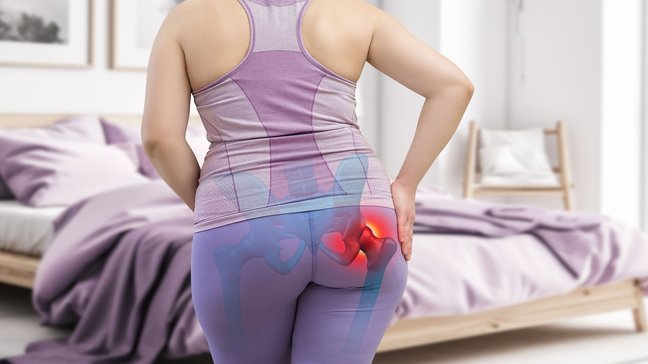
Avascular necrosis of the femoral head
Avascular necrosis of the hip, medically also referred to as femoral head necrosis, describes the death of bone tissue in the femoral head due to impaired blood supply. This condition often occurs between the ages of 30 and 50 and affects men more…
Bakerzyste
The Baker's cyst, also known as a popliteal cyst, is a fluid-filled protrusion of the joint capsule in the area of the popliteal fossa. It often occurs as a result of knee joint disorders such as osteoarthritis or meniscus damage and can cause pain,…
Bone necrosis (Ahlbäck's disease)
Bone necrosis, medically referred to as osteonecrosis, describes the death of bone tissue due to disrupted blood supply. The condition can occur in any bone of the body, but often affects joint areas such as the hip, knee, or shoulder. Without…
Bursitis (trochanteric bursitis)
Trochanteric bursitis, also known as hip bursitis, is a painful inflammation of the trochanteric bursa, located at the outer bony prominence of the femur (greater trochanter). This bursa reduces friction between the muscles and tendons that run over…
Bursitis in the knee (Bursitis)
Bursitis in the knee, also known as bursitis, is an inflammatory condition of the bursae in the knee joint. These fluid-filled cushions reduce friction between bones, tendons, and muscles. There are several bursae in the knee, the most commonly…
Charcot-Marie-Tooth
Charcot-Marie-Tooth disease (CMT), also known as hereditary motor and sensory neuropathy, is a genetically determined disorder of the peripheral nervous system. It leads to progressive damage to the nerves responsible for movement and sensation. This…
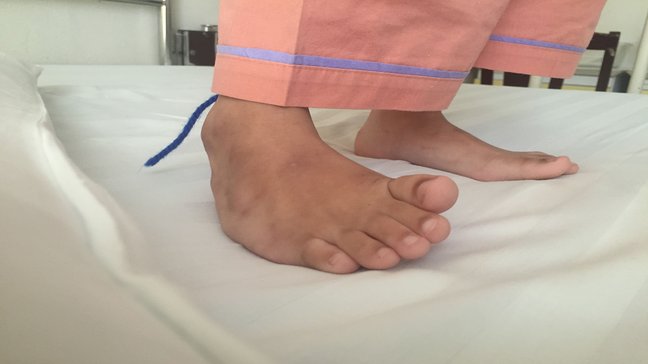
Clubfoot (Pes Equinovarus)
Clubfoot (Pes equinovarus) is a complex congenital foot deformity that occurs in about 1 in 1,000 newborns worldwide. Boys are more frequently affected than girls, and in about 50% of cases, the clubfoot is bilateral. This deformity, which can lead…
Coccygodynia/tailbone pain
Coccygodynia, also known as tailbone pain, refers to chronic pain in the area of the coccyx (os coccygis). These complaints often occur when sitting, during bowel movements, or during physical activities and can significantly affect the quality of…
Collagenoses
Collagenoses are a group of chronic inflammatory autoimmune diseases that affect connective tissue and various organ systems. They are characterized by a malfunction of the immune system, in which the body's own tissue is attacked. Collagenoses can…

Cruciate ligament tear
A cruciate ligament tear, medically referred to as a rupture of the cruciate ligament, is a common injury of the knee joint. It affects one of the two cruciate ligaments – the anterior cruciate ligament (ACL) or the posterior cruciate ligament (PCL)…
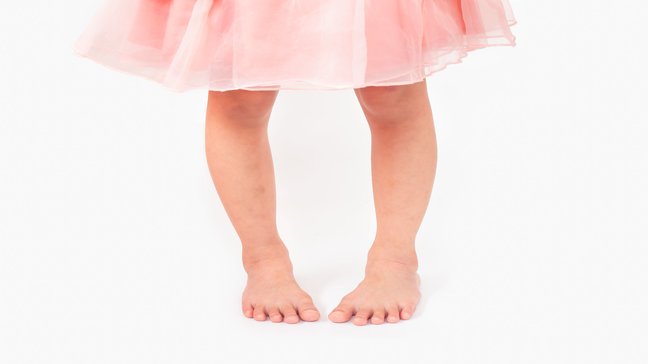
Desalineaciones en niños
Misalignments of the legs, such as knock-knees (genu valgum) and bowlegs (genu varum), are common observations in children. These deviations from the normal leg axis can be both physiological and pathological and affect the development and mobility…

Dizziness
Dizziness is a common symptom characterized by a disturbed sense of balance. Affected individuals often describe dizziness as a feeling of spinning, swaying, or unsteadiness in space. While dizziness is often due to neurological or internal medical…
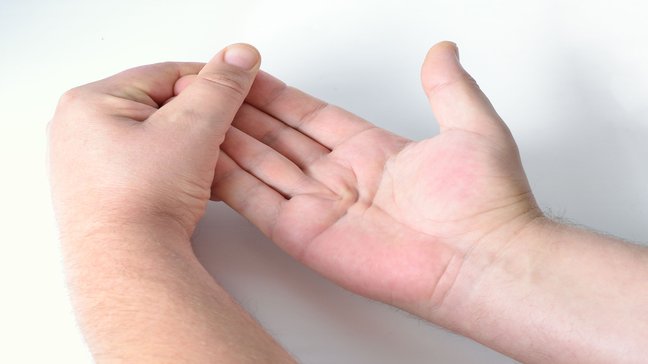
Dupuytren's disease
Dupuytren's disease, also known as Dupuytren's contracture, is a chronic condition of the connective tissue in the palm of the hand. It leads to a nodular thickening and shortening of the palmar aponeurosis, causing the affected fingers to…

Fallen/Spread Foot
The flat/splayfoot is a common foot deformity characterized by a flattening of the longitudinal arch (flatfoot) and/or a widening of the forefoot due to a lowered transverse arch (splayfoot). These deformities often occur together and can lead to…
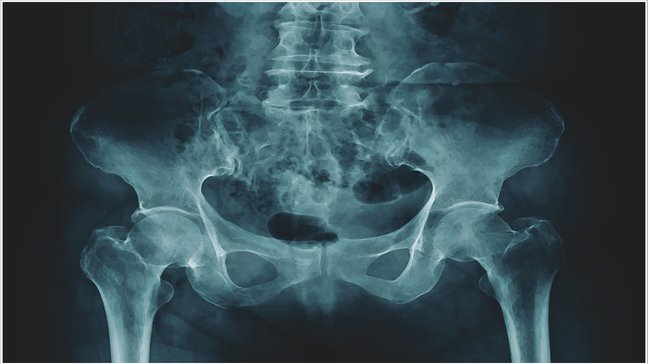
Fibroostoses
Fibroosteoses are benign changes in the bone, characterized by an increased formation of fibrous tissue (fibrosis) and bone (osteosis). They usually appear as local, defined densifications of the bone and can cause pain, functional limitations, or…
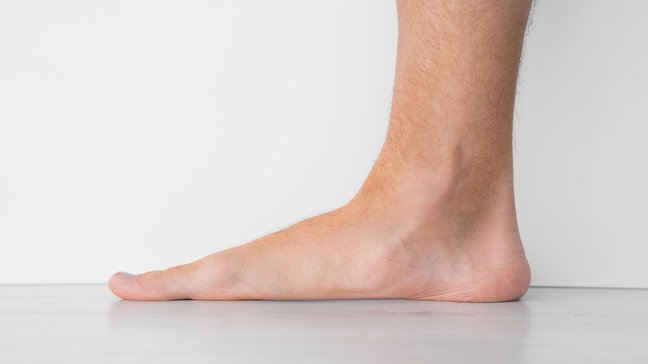
Flatfoot (Pes Planus)
A flatfoot, medically referred to as pes planus, is a foot deformity where the arch of the foot is flattened or completely absent. This condition can be congenital or acquired and often occurs in both children and adults. While mild forms often…

Foot pain
Foot pain is a widespread symptom that affects people of all ages. It can occur in various areas of the foot, such as the heel, arch, toes, or ankle. Foot pain varies in intensity and cause and can lead to both acute and chronic discomfort. It…

Glutealgia
Glutealgia, or buttock pain, is a symptom that can be caused by various factors. The pain is usually localized in the buttock area but can also radiate to the lower back, hip, or legs. Glutealgia significantly affects mobility and quality of life,…
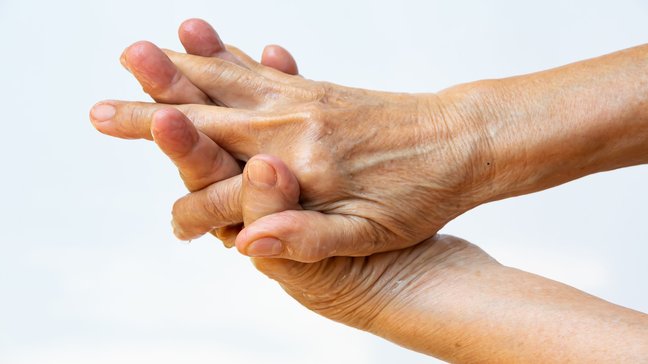
Gout
Gout is a metabolic disorder characterized by elevated uric acid levels (hyperuricemia) in the blood. It leads to the formation of uric acid crystals in joints, tissues, and organs, causing severe pain and inflammatory reactions. Gout usually occurs…
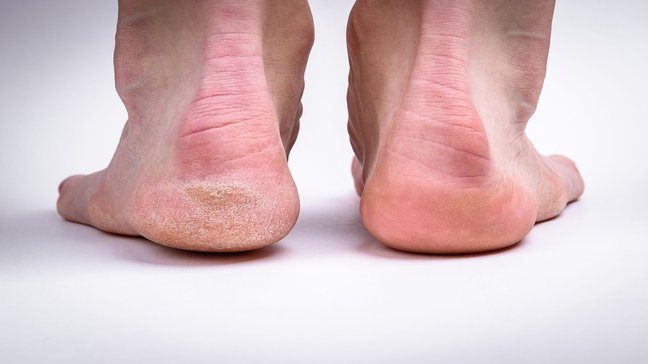
Haglund's heel (Haglund deformity)
The Haglund heel, also known as Haglund's exostosis or Haglund's syndrome, is a bony protrusion at the upper rear edge of the heel bone (calcaneus). This deformity often leads to pain and inflammation in the area of the Achilles tendon and the…
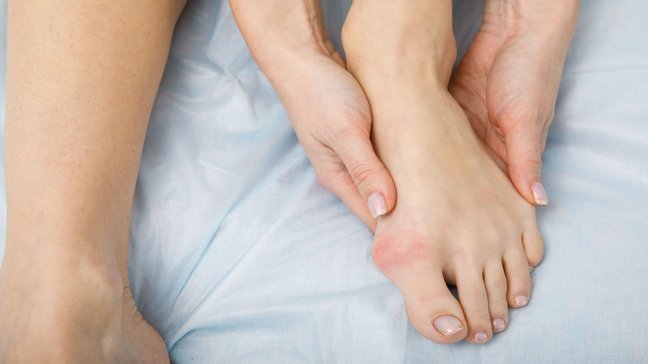
Hallux Valgus
Hallux valgus, colloquially known as a bunion, is a common foot deformity where the big toe (hallux) deviates towards the other toes. This results in a protrusion of the big toe joint, which is often painful and leads to problems when wearing shoes.…
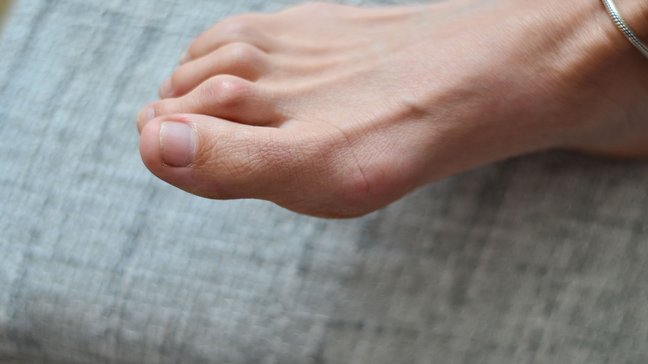
Hammer toes
Hammer toes are a common deformity of the toes, where the middle joint of the affected toe is bent upwards while the end joint points downwards. This deformity leads to a characteristic claw-like shape, which can cause pain, pressure points, and…
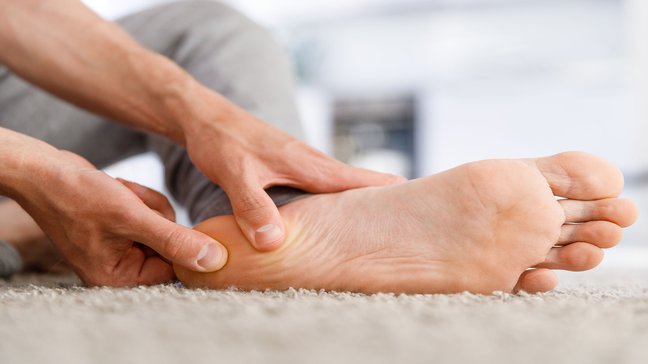
Heel pain
Heel pain is a common complaint that can affect people of all ages. It can be triggered by numerous factors, including overuse, misalignments, inflammation, or injuries. Heel pain often impairs the mobility and quality of life of those affected, as…
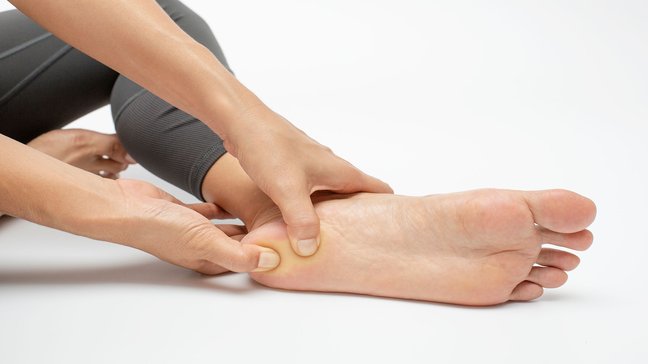
Heelspoor en fasciitis plantaris
Heel spurs and plantar fasciitis are closely related conditions that are often the cause of heel pain. While a heel spur is a bony change in the heel bone, plantar fasciitis is an inflammatory condition of the plantar fascia, an important tendon…
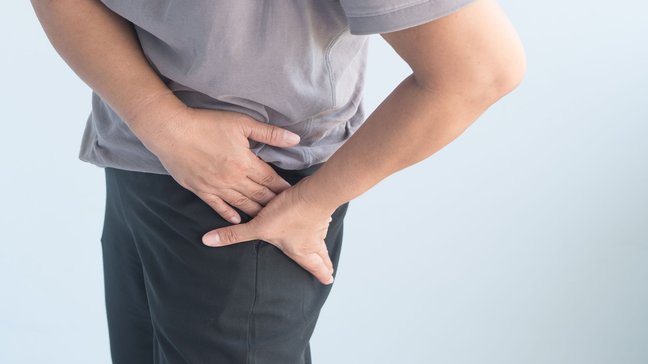
Hip joint inflammation (Coxitis)
Inflammation of the hip joint, medically referred to as coxitis, is an inflammation of the hip joint that can have both infectious and non-infectious causes. It typically manifests as pain in the groin area, restricted movement, and a protective…

Hip osteoarthritis (coxarthrosis)
Hip osteoarthritis can cause pain, stiffness, and increasing limitations when walking, climbing stairs, or getting up. An individually tailored treatment can help relieve symptoms and maintain mobility in everyday life for as long as possible.