
Orthopedic Lexicon
This orthopedic guide provides you with concise and easy-to-understand information on orthopedic conditions, examinations, and therapies—from the foot and ankle through the knee and hip to the spine.
Use these filters to quickly look up, by body region and topic area, those articles that match your current symptoms. For an individual assessment and therapy planning, please schedule a personal appointment with us at the Orthopädiezentrum Wien.

Kneecap osteoarthritis (retropatellar osteoarthritis)
Patellar osteoarthritis, medically referred to as retropatellar osteoarthritis, is a specific form of osteoarthritis where the cartilage on the back of the kneecap (patella) is worn down. This condition leads to pain and movement restrictions in the…
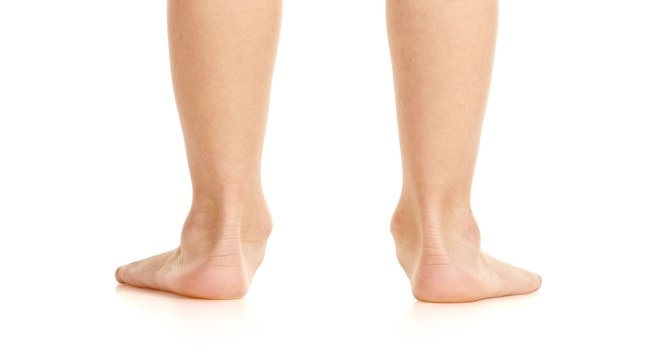
Knick-sink-foot
The flat-valgus foot (pes planovalgus) is a common foot deformity in which the longitudinal arch of the foot is flattened (flatfoot), and the heel tilts inward (valgus foot). This deformity can occur in both children and adults. While it is often…
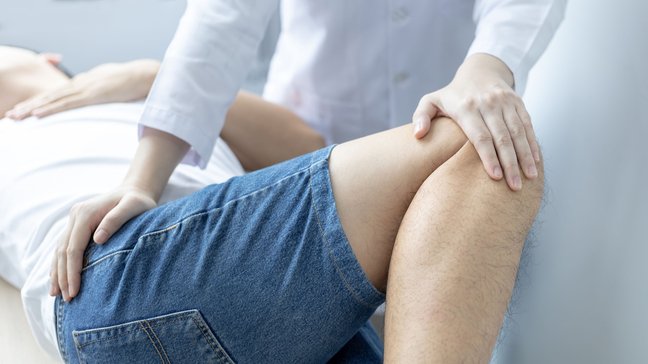
Labral tear of the hip
A labral tear of the hip refers to damage or injury to the acetabular labrum, a cartilage-like structure that surrounds the hip socket. The labrum stabilizes the hip joint by increasing the contact area between the socket and the head while…
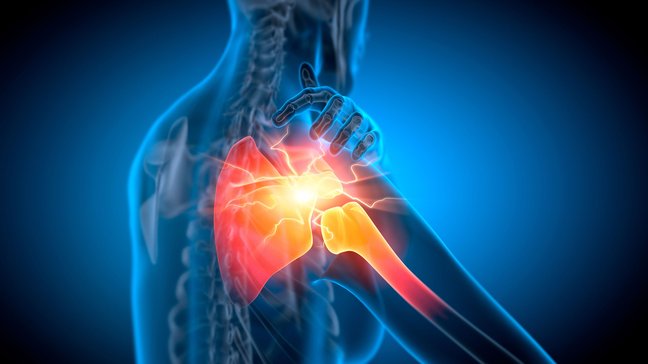
Labrum tear
A labrum tear describes a tear of the labrum, a cartilage-like structure that surrounds the joint socket and ensures the stability of the joint. This injury often occurs in the shoulder (glenoid labrum) or the hip (acetabular labrum) and is a common…

Loose bodies
Loose bodies, also known as joint mice or corpora libera, are freely movable structures in the joint cavity that consist of cartilage, bone, or soft tissue. They usually arise from injuries, degenerative processes, or inflammatory diseases and can…

Lumbago
A lumbago, medically referred to as lumbago, is a sudden, sharp pain in the lower back, usually in the lumbar spine. It is one of the most common musculoskeletal complaints and affects people of all ages, with middle-aged adults being particularly…

Medial collateral ligament tear
An inner ligament tear, medically referred to as a rupture of the medial collateral ligament (MCL), is a common knee injury. The inner ligament stabilizes the inside of the knee and protects the joint from bending inward (valgus stress). This injury…
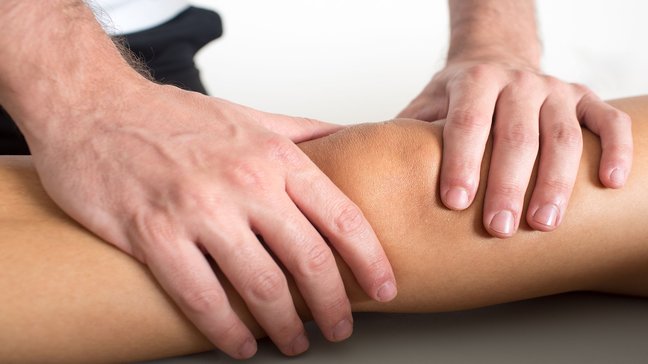
Meniscus tear
A meniscus tear, medically referred to as a rupture of the meniscus, is a common injury of the knee joint. The meniscus consists of two cartilage-like structures (medial and lateral meniscus) that serve as shock absorbers and stabilizers in the knee…
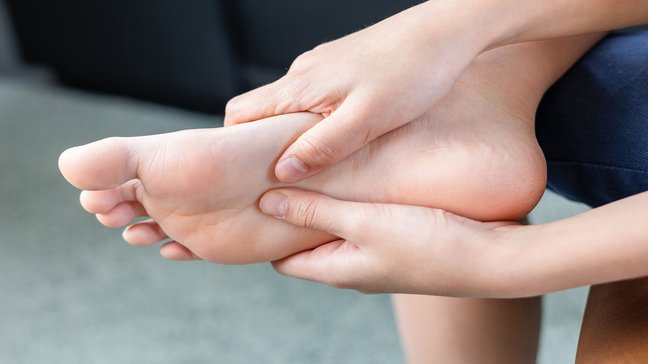
Metatarsalgia
Metatarsalgia describes pain in the forefoot area, often occurring under the metatarsal heads. These complaints usually arise from overuse, misalignments, or degenerative changes in the foot. People who stand a lot, walk, or are physically active are…

Morton Neuroma
Morton's neuroma, also known as Morton's metatarsalgia, is a painful thickening of nerve tissue that typically occurs between the metatarsal bones in the area of the third and fourth toes. It is a common cause of forefoot pain, caused by mechanical…

Mouse arm (Repetitive Strain Injury - RSI)
Mouse arm, medically also referred to as Repetitive Strain Injury (RSI), is an overuse injury caused by repetitive and monotonous movements. This condition primarily affects people who work long hours at a computer and manifests as pain and…
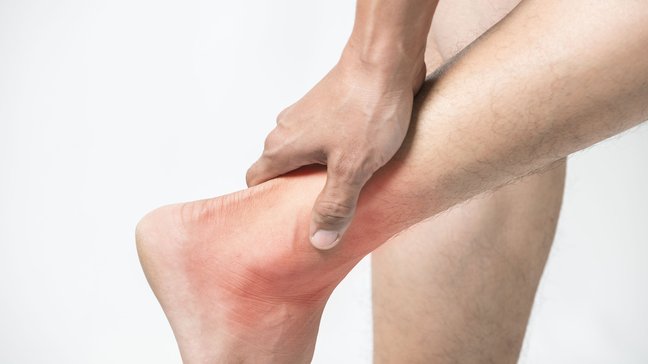
Müller-Weiss syndrome
Müller-Weiss syndrome is a rare, degenerative disease of the navicular bone in the midfoot, primarily occurring in adults between 40 and 60 years of age. It is a spontaneous, non-traumatic bone necrosis that leads to deformities, pain, and movement…

Muscle fiber tear in the calf
A muscle fiber tear in the calf is one of the most common sports injuries and occurs due to overloading of the calf muscle. This results in the tearing of individual or multiple muscle fibers, accompanied by acute pain, swelling, and restricted…
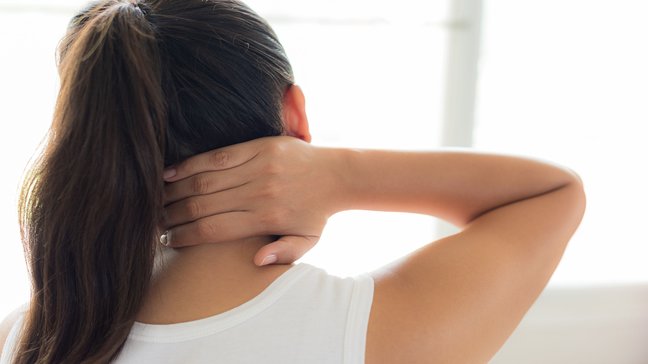
Neck pain
Neck pain is one of the most common complaints in modern society and can affect people of all ages. It can occur both acutely and chronically and may be accompanied by other symptoms such as tension, restricted movement, and headaches. Neck pain…

Neural therapy
Neural therapy is a holistic method for treating pain and functional disorders by injecting local anesthetics at specific points on the body. This method is based on the idea that disturbances in the autonomic nervous system can cause pain and other…
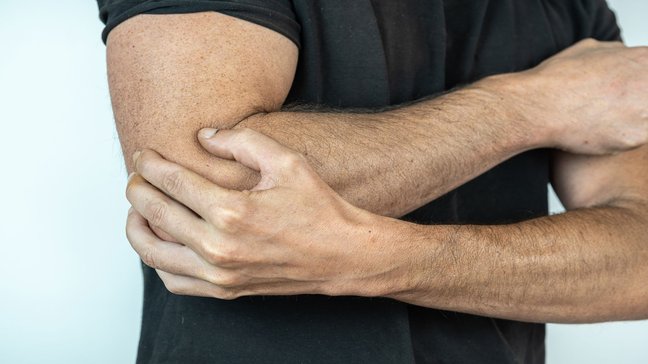
Olecranon spur
An olecranon spur is a bony growth on the olecranon, the upper end of the ulna in the elbow area. These changes usually arise from chronic irritation or mechanical overload. The olecranon spur can cause pain and restricted movement, especially during…

Orthopedic technology
Orthopedic technology encompasses custom-fitted medical-technical assistive devices such as prostheses, orthoses, bandages, corsets, or orthopedic insoles that support, guide, relieve, or partially replace the musculoskeletal system. The goal is to…
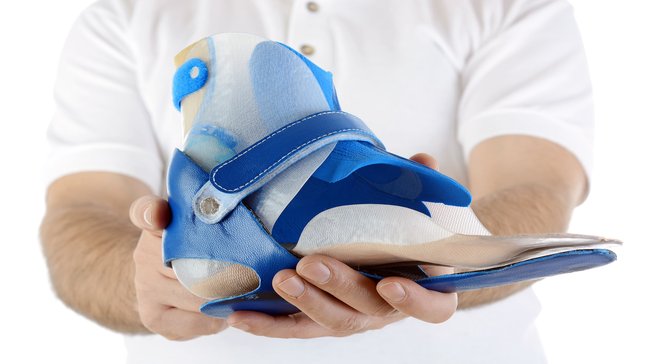
Orthotics/Assistive Devices Supply
Orthoses and other aids are important components of orthopedic care. They serve to support, stabilize, and correct the musculoskeletal system and joints. These aids can relieve pain, improve functionality, and support rehabilitation after injuries or…

Osgood-Schlatter disease
Osgood-Schlatter disease is a common condition in adolescents caused by overuse of the shinbone at the site of the patellar tendon attachment. It is classified as a growth disorder (osteochondrosis) and primarily affects physically active children…

Osteoarthritis in the elbow
Elbow osteoarthritis, also known as cubital osteoarthritis, is a degenerative condition in which the cartilage in the elbow joint is gradually broken down. This form of osteoarthritis occurs less frequently than in joints with higher stress, such as…
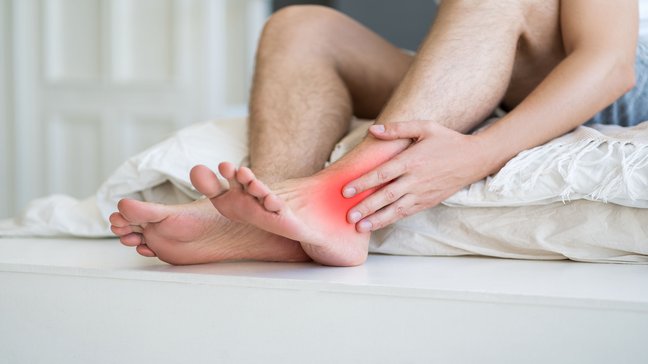
Osteoarthritis in the lower ankle joint
Osteoarthritis of the lower ankle joint, also known as subtalar osteoarthritis, is a degenerative joint disease in which the cartilage between the talus (ankle bone) and calcaneus (heel bone) is gradually broken down. This condition primarily affects…
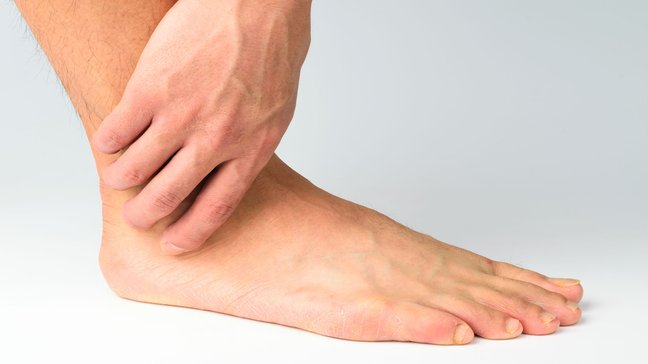
Osteochondrosis dissecans
Osteochondrosis dissecans (OD) is a joint disease in which a cartilage-bone fragment becomes detached. It primarily affects young, physically active individuals and often occurs in the knee joint, but can also affect other joints such as the ankle,…
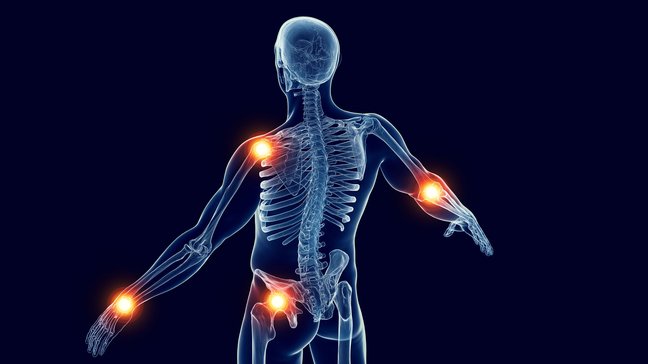
Osteonecrosis in childhood
Osteonecroses in childhood are conditions in which there is a localized blood flow disorder in the bone, leading to the death of the affected tissue. These disorders often occur at the growth zones (epiphyses) and are typically associated with pain,…
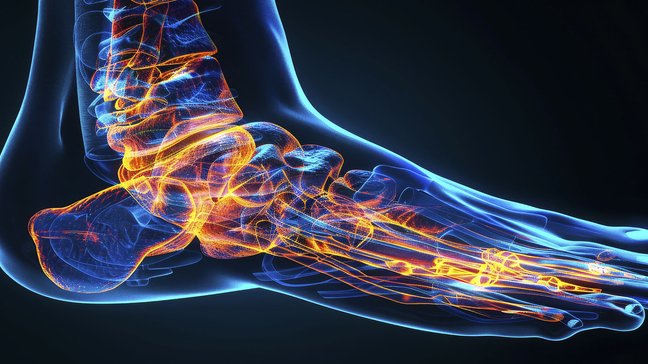
Paget's disease (Paget's disease)
Paget's disease, also known as Paget's disease of bone, is a chronic bone disorder characterized by disrupted remodeling processes in bone tissue. It leads to abnormal enlargement, thickening, and weakening of the affected bone. Typical symptoms…

Patellar luxation
Eine Patellaluxation bezeichnet das Herausspringen der Kniescheibe (Patella) aus ihrer natürlichen Position im Gleitlager des Oberschenkelknochens (Femur). Diese Verletzung tritt häufig bei jungen, aktiven Menschen auf und ist meist mit starken…

Pelvic tilt
A pelvic tilt is present when the pelvis is tilted horizontally. This misalignment is often caused by a leg length discrepancy, where the lengths of the legs are different. The pelvic tilt and leg length discrepancy can lead to uneven posture, joint…

Pes anserinus syndrome
Pes anserinus syndrome, also known as pes anserinus bursitis, is a painful inflammation of the bursa (bursa anserina) below the inner knee joint. It often occurs in individuals with overuse, misalignments, or overweight. Athletes, older people, or…

Piriformis syndrome
Piriformis syndrome is a neuromuscular disorder in which the piriformis muscle, a small, pear-shaped muscle in the buttock region, irritates or compresses the sciatic nerve. This irritation leads to pain that often radiates into the buttocks and the…
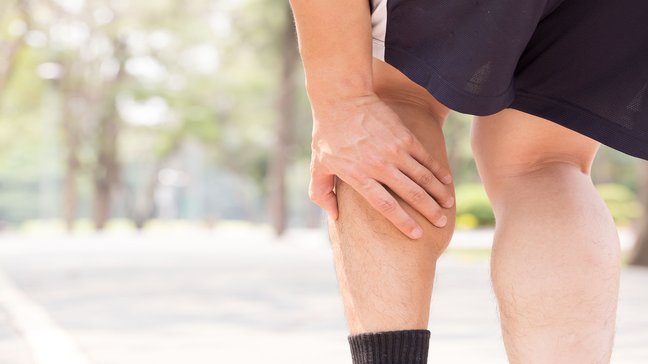
Polyneuropathy
Polyneuropathy is a disease of the peripheral nervous system in which multiple nerves are affected simultaneously. It can impair motor, sensory, and autonomic nerve functions, leading to a variety of symptoms such as pain, numbness, or muscle…
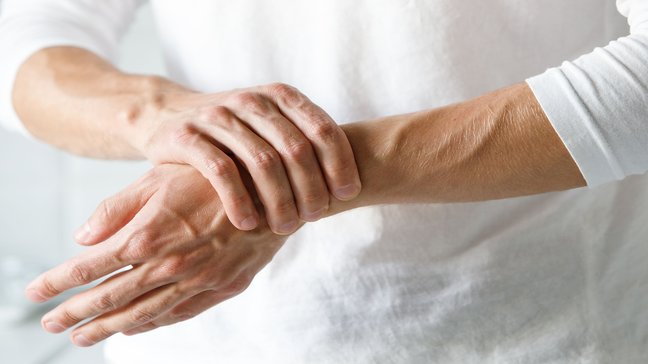
Post-infectious arthritis
Post-infectious arthritis, also known as reactive arthritis, is an inflammatory joint disease that occurs as a result of an infection. It usually develops a few weeks after an infection of the gastrointestinal tract, respiratory tract, or urogenital…