

Pes anserinus syndrome
Classification of Pes Anserinus Syndrome
The pes anserinus syndrome can be classified according to cause and course:
- Mechanically induced bursitis: Caused by overuse, for example in runners or by unsuitable footwear.
- Inflammatory induced bursitis: Occurs in connection with systemic diseases such as rheumatoid arthritis or gout.
- Post-traumatic bursitis: Arises from direct injuries or chronic pressure on the bursa.
Causes of Pes anserinus syndrome
The pes anserinus syndrome has various causes, which can be mechanical, inflammatory, or structural:
- Overuse:
- Repeated movements such as running or climbing stairs strain the tendon attachments and the bursa.
- Misalignments:
- Knock-knees or other leg axis misalignments increase the pressure on the inside of the knee.
- Overweight:
- Excessive strain on the knee leads to irritation and inflammation.
- Knee injuries:
- Trauma or surgeries can lead to irritation of the pes anserinus.
- Systemic diseases:
- Inflammatory diseases such as rheumatoid arthritis or gout promote bursitis.
Symptoms of pes anserinus syndrome
The symptoms of pes anserinus syndrome are characteristic and include:
- **Local pain:** Pain on the inside of the knee, especially when bending or extending the leg.
- **Swelling:** Visible or palpable swelling below the inner knee joint.
- **Tenderness:** Pain when touching or applying pressure to the affected area.
- **Movement restrictions:** Limitations in mobility, especially when walking or climbing stairs.
- **Sensation of warmth:** Local overheating due to inflammatory processes.
Diagnosis of Pes anserinus syndrome
The diagnosis is made through a combination of medical history, clinical examination, and imaging techniques:
1. **Medical History:** Collection of the patient's medical history, description of symptoms, and possible stress patterns.
2. **Clinical Examination:** Assessment of pain location, swelling, and movement restrictions.
3. **Imaging Techniques:**
- **Ultrasound:** Visualization of bursitis and possible fluid accumulations.
- **MRI:** Detailed assessment of tendons and surrounding structures.
- **X-ray:** To rule out bony changes or misalignments.
Treatment options for pes anserinus syndrome
Conservative Therapy
The pes anserinus syndrome is successfully treated conservatively in most cases:
- Immobilization and Load Reduction:
- Avoidance of strenuous activities to alleviate inflammation.
- Physiotherapy:
- Exercises to strengthen and stretch the surrounding muscles.
- Cold Applications:
- Reduction of swelling and pain through cold packs.
- Medication Therapy:
- NSAIDs for pain relief and anti-inflammation.
- Injections:
- Cortisone injections for quick relief of acute symptoms.
Surgical Therapy
In cases of therapy-resistant or chronic symptoms, surgical intervention may be necessary:
- Bursa Removal:
- Removal of the inflamed bursa (bursectomy).
- Correction of Misalignments:
- Surgical adjustment of the leg axis to relieve the pes anserinus.
Preventive measures for Pes anserinus syndrome
To prevent a pes anserinus syndrome, the following measures are recommended:
- Regular stretching exercises: Promoting the flexibility of the surrounding muscles.
- Strengthening the leg muscles: Targeted training to stabilize the knee.
- Avoiding overweight: Reducing the load on the knee through a healthy body weight.
- Ergonomic footwear: Use of well-cushioned and supportive shoes.
- Early treatment: Seek medical advice promptly at the first signs of pain.

Knee joint inflammation (arthritis)
Inflammation of the knee joint, medically referred to as arthritis of the knee joint, is an inflammatory condition that affects the knee joint. It can be triggered by infections, autoimmune diseases, or overuse and leads to pain, swelling, and…
Bursitis in the knee (Bursitis)
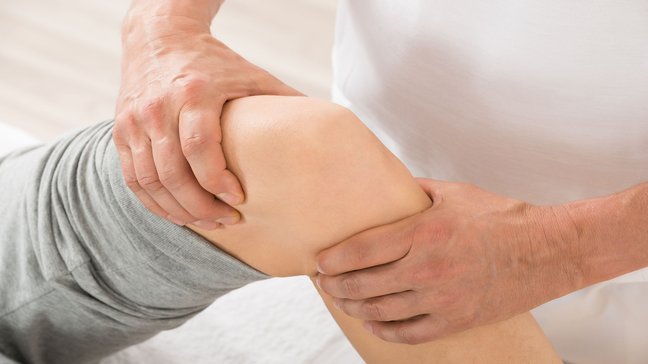
Bursitis in the knee, also known as bursitis, is an inflammatory condition of the bursae in the knee joint. These fluid-filled cushions reduce friction between bones, tendons, and muscles. There are several bursae in the knee, the most commonly…

Bakerzyste
The Baker's cyst, also known as a popliteal cyst, is a fluid-filled protrusion of the joint capsule in the area of the popliteal fossa. It often occurs as a result of knee joint disorders such as osteoarthritis or meniscus damage and can cause pain,…
Knee pain
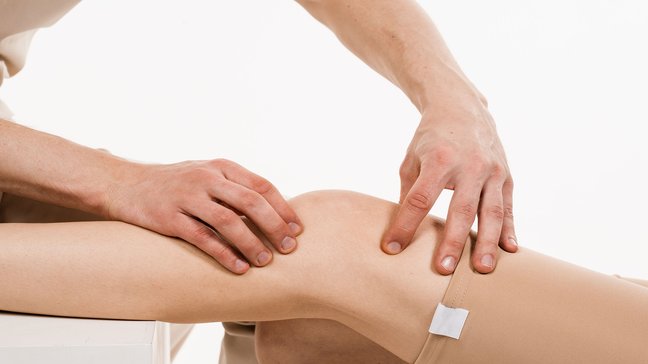
Knee pain is a common symptom that can affect people of all ages. It can result from acute injuries, chronic conditions, or overuse. The knee joint is one of the largest and most complex joints in the human body, making it particularly susceptible to…
Pes anserinus syndrome
Classification of Pes Anserinus Syndrome
The pes anserinus syndrome can be classified according to cause and course:
- Mechanically induced bursitis: Caused by overuse, for example in runners or by unsuitable footwear.
- Inflammatory induced bursitis: Occurs in connection with systemic diseases such as rheumatoid arthritis or gout.
- Post-traumatic bursitis: Arises from direct injuries or chronic pressure on the bursa.
Causes of Pes anserinus syndrome
The pes anserinus syndrome has various causes, which can be mechanical, inflammatory, or structural:
- Overuse:
- Repeated movements such as running or climbing stairs strain the tendon attachments and the bursa.
- Misalignments:
- Knock-knees or other leg axis misalignments increase the pressure on the inside of the knee.
- Overweight:
- Excessive strain on the knee leads to irritation and inflammation.
- Knee injuries:
- Trauma or surgeries can lead to irritation of the pes anserinus.
- Systemic diseases:
- Inflammatory diseases such as rheumatoid arthritis or gout promote bursitis.
Symptoms of pes anserinus syndrome
The symptoms of pes anserinus syndrome are characteristic and include:
- **Local pain:** Pain on the inside of the knee, especially when bending or extending the leg.
- **Swelling:** Visible or palpable swelling below the inner knee joint.
- **Tenderness:** Pain when touching or applying pressure to the affected area.
- **Movement restrictions:** Limitations in mobility, especially when walking or climbing stairs.
- **Sensation of warmth:** Local overheating due to inflammatory processes.
Diagnosis of Pes anserinus syndrome
The diagnosis is made through a combination of medical history, clinical examination, and imaging techniques:
1. **Medical History:** Collection of the patient's medical history, description of symptoms, and possible stress patterns.
2. **Clinical Examination:** Assessment of pain location, swelling, and movement restrictions.
3. **Imaging Techniques:**
- **Ultrasound:** Visualization of bursitis and possible fluid accumulations.
- **MRI:** Detailed assessment of tendons and surrounding structures.
- **X-ray:** To rule out bony changes or misalignments.
Treatment options for pes anserinus syndrome
Conservative Therapy
The pes anserinus syndrome is successfully treated conservatively in most cases:
- Immobilization and Load Reduction:
- Avoidance of strenuous activities to alleviate inflammation.
- Physiotherapy:
- Exercises to strengthen and stretch the surrounding muscles.
- Cold Applications:
- Reduction of swelling and pain through cold packs.
- Medication Therapy:
- NSAIDs for pain relief and anti-inflammation.
- Injections:
- Cortisone injections for quick relief of acute symptoms.
Surgical Therapy
In cases of therapy-resistant or chronic symptoms, surgical intervention may be necessary:
- Bursa Removal:
- Removal of the inflamed bursa (bursectomy).
- Correction of Misalignments:
- Surgical adjustment of the leg axis to relieve the pes anserinus.
Preventive measures for Pes anserinus syndrome
To prevent a pes anserinus syndrome, the following measures are recommended:
- Regular stretching exercises: Promoting the flexibility of the surrounding muscles.
- Strengthening the leg muscles: Targeted training to stabilize the knee.
- Avoiding overweight: Reducing the load on the knee through a healthy body weight.
- Ergonomic footwear: Use of well-cushioned and supportive shoes.
- Early treatment: Seek medical advice promptly at the first signs of pain.
Knee joint inflammation (arthritis)
Inflammation of the knee joint, medically referred to as arthritis of the knee joint, is an inflammatory condition that affects the knee joint. It can be triggered by infections, autoimmune diseases, or overuse and leads to pain, swelling, and…
Bursitis in the knee (Bursitis)
Bursitis in the knee, also known as bursitis, is an inflammatory condition of the bursae in the knee joint. These fluid-filled cushions reduce friction between bones, tendons, and muscles. There are several bursae in the knee, the most commonly…
Bakerzyste
The Baker's cyst, also known as a popliteal cyst, is a fluid-filled protrusion of the joint capsule in the area of the popliteal fossa. It often occurs as a result of knee joint disorders such as osteoarthritis or meniscus damage and can cause pain,…
Knee pain
Knee pain is a common symptom that can affect people of all ages. It can result from acute injuries, chronic conditions, or overuse. The knee joint is one of the largest and most complex joints in the human body, making it particularly susceptible to…