

Mouse arm (Repetitive Strain Injury - RSI)
Classification of Mouse Arm
The mouse arm can be divided into different categories based on affected structures and symptoms:
1. Tendinitis: Inflammation of the tendons, often affecting the hand and finger tendons.
2. Myofascial complaints: Pain and tension in the muscles, especially in the forearm and shoulder.
3. Nerve compression syndromes: Complaints such as carpal tunnel syndrome, caused by pressure on nerves in the wrist.
4. Chronic mouse arm: Long-lasting complaints associated with movement restrictions and persistent pain.
Causes of Mouse Arm
The main causes of mouse arm can be divided into several categories:
- Repeated movements:
- Frequent and monotonous movements, such as repeated clicking or scrolling with the computer mouse.
- Ergonomic misalignments:
- Inappropriate workstations with poor sitting posture or incorrectly adjusted mouse and keyboard.
- Overuse:
- Working for extended periods without breaks, leading to muscle and tendon overload.
- Stress and tension:
- Psychological stress can promote muscle tension and incorrect posture.
- Lack of movement:
- A lack of physical activity increases susceptibility to muscular complaints.
Symptoms of mouse arm
The symptoms of a mouse arm often develop gradually and worsen with continued strain:
- **Pain:** Stabbing, burning, or pulling pain that can radiate from the hand to the arm or shoulder.
- **Movement restrictions:** Reduced mobility of the hand or arm, especially during gripping or twisting movements.
- **Numbness and tingling:** Sensory disturbances in the hand or fingers, often due to nerve compression.
- **Muscle weakness:** Difficulty performing everyday tasks such as holding a glass or writing.
- **Tension:** Hardened muscles in the neck, shoulder, and arm area.
- **Fatigue:** Rapid exhaustion during repetitive movements.
Diagnosis of Mouse Arm
The diagnosis is made through a combination of medical history, physical examination, and, if necessary, additional tests:
Medical history:
The doctor inquires about typical symptoms, work habits, and ergonomic conditions at the workplace.
Physical examination:
Checking for muscle tension, movement restrictions, and tenderness.
Imaging techniques:
Ultrasound: Examination of tendonitis or soft tissue damage.
MRI: Visualization of nerve compressions or muscular changes.
Electroneurography (ENG): Measurement of nerve conduction velocity in suspected nerve compression syndromes.
Treatment options for mouse arm
Conservative Therapy
Most cases of mouse arm can be treated with non-operative measures:
- Physiotherapy:
- Targeted exercises for stretching and strengthening the affected muscles.
- Ergonomic Adjustments:
- Optimization of the workplace, e.g., with height-adjustable desks and ergonomic mice.
- Medication Therapy:
- NSAIDs to relieve pain and inflammation.
- Cold Therapy:
- Application of cold packs to reduce swelling and pain.
- Stress Management:
- Relaxation techniques such as yoga or progressive muscle relaxation to reduce tension.
Operative Therapy
In severe cases or with persistent symptoms, surgical intervention may be necessary:
- Carpal Tunnel Release:
- Surgical relief of the nerve canal in carpal tunnel syndrome.
- Tendon Release:
- Removal of inflamed tissue to restore mobility.
Preventive measures for mouse arm
To prevent a mouse arm, the following measures are recommended:
- Ergonomic workplace design: Adjusting chair, desk, mouse, and keyboard for optimal posture.
- Regular breaks: Taking short breaks every 30 minutes to reduce strain.
- Stretching exercises: Daily stretching of the forearm and shoulder muscles.
- Use of ergonomic aids: Using special mice or keyboards to relieve the wrists.
- Stress reduction: Promoting relaxation through techniques such as breathing exercises or meditation.

Tendovaginitis
Tendovaginitis, medically referred to as tenosynovitis, is an inflammatory condition of the tendon sheath that surrounds the tendon and ensures its gliding ability. It often occurs in the hands, wrists, or forearms, but can also affect other body…

Trigger finger
Trigger finger, medically known as stenosing tenosynovitis, is a common condition caused by inflammation or thickening of the flexor tendons in the fingers or the thumb tendon. The tendons no longer glide smoothly through the tendon sheath (pulleys),…
Dupuytren's disease
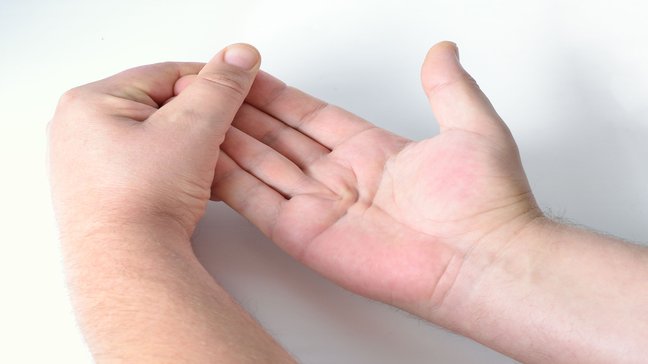
Dupuytren's disease, also known as Dupuytren's contracture, is a chronic condition of the connective tissue in the palm of the hand. It leads to a nodular thickening and shortening of the palmar aponeurosis, causing the affected fingers to…

Carpal tunnel syndrome
Carpal tunnel syndrome (CTS) is a common nerve compression disorder in which the median nerve is compressed in the wrist area. This compression leads to pain, numbness, and weakness in the hand, particularly in the thumb, index finger, and middle…
Mouse arm (Repetitive Strain Injury - RSI)
Classification of Mouse Arm
The mouse arm can be divided into different categories based on affected structures and symptoms:
1. Tendinitis: Inflammation of the tendons, often affecting the hand and finger tendons.
2. Myofascial complaints: Pain and tension in the muscles, especially in the forearm and shoulder.
3. Nerve compression syndromes: Complaints such as carpal tunnel syndrome, caused by pressure on nerves in the wrist.
4. Chronic mouse arm: Long-lasting complaints associated with movement restrictions and persistent pain.
Causes of Mouse Arm
The main causes of mouse arm can be divided into several categories:
- Repeated movements:
- Frequent and monotonous movements, such as repeated clicking or scrolling with the computer mouse.
- Ergonomic misalignments:
- Inappropriate workstations with poor sitting posture or incorrectly adjusted mouse and keyboard.
- Overuse:
- Working for extended periods without breaks, leading to muscle and tendon overload.
- Stress and tension:
- Psychological stress can promote muscle tension and incorrect posture.
- Lack of movement:
- A lack of physical activity increases susceptibility to muscular complaints.
Symptoms of mouse arm
The symptoms of a mouse arm often develop gradually and worsen with continued strain:
- **Pain:** Stabbing, burning, or pulling pain that can radiate from the hand to the arm or shoulder.
- **Movement restrictions:** Reduced mobility of the hand or arm, especially during gripping or twisting movements.
- **Numbness and tingling:** Sensory disturbances in the hand or fingers, often due to nerve compression.
- **Muscle weakness:** Difficulty performing everyday tasks such as holding a glass or writing.
- **Tension:** Hardened muscles in the neck, shoulder, and arm area.
- **Fatigue:** Rapid exhaustion during repetitive movements.
Diagnosis of Mouse Arm
The diagnosis is made through a combination of medical history, physical examination, and, if necessary, additional tests:
Medical history:
The doctor inquires about typical symptoms, work habits, and ergonomic conditions at the workplace.
Physical examination:
Checking for muscle tension, movement restrictions, and tenderness.
Imaging techniques:
Ultrasound: Examination of tendonitis or soft tissue damage.
MRI: Visualization of nerve compressions or muscular changes.
Electroneurography (ENG): Measurement of nerve conduction velocity in suspected nerve compression syndromes.
Treatment options for mouse arm
Conservative Therapy
Most cases of mouse arm can be treated with non-operative measures:
- Physiotherapy:
- Targeted exercises for stretching and strengthening the affected muscles.
- Ergonomic Adjustments:
- Optimization of the workplace, e.g., with height-adjustable desks and ergonomic mice.
- Medication Therapy:
- NSAIDs to relieve pain and inflammation.
- Cold Therapy:
- Application of cold packs to reduce swelling and pain.
- Stress Management:
- Relaxation techniques such as yoga or progressive muscle relaxation to reduce tension.
Operative Therapy
In severe cases or with persistent symptoms, surgical intervention may be necessary:
- Carpal Tunnel Release:
- Surgical relief of the nerve canal in carpal tunnel syndrome.
- Tendon Release:
- Removal of inflamed tissue to restore mobility.
Preventive measures for mouse arm
To prevent a mouse arm, the following measures are recommended:
- Ergonomic workplace design: Adjusting chair, desk, mouse, and keyboard for optimal posture.
- Regular breaks: Taking short breaks every 30 minutes to reduce strain.
- Stretching exercises: Daily stretching of the forearm and shoulder muscles.
- Use of ergonomic aids: Using special mice or keyboards to relieve the wrists.
- Stress reduction: Promoting relaxation through techniques such as breathing exercises or meditation.
Tendovaginitis
Tendovaginitis, medically referred to as tenosynovitis, is an inflammatory condition of the tendon sheath that surrounds the tendon and ensures its gliding ability. It often occurs in the hands, wrists, or forearms, but can also affect other body…
Trigger finger
Trigger finger, medically known as stenosing tenosynovitis, is a common condition caused by inflammation or thickening of the flexor tendons in the fingers or the thumb tendon. The tendons no longer glide smoothly through the tendon sheath (pulleys),…
Dupuytren's disease
Dupuytren's disease, also known as Dupuytren's contracture, is a chronic condition of the connective tissue in the palm of the hand. It leads to a nodular thickening and shortening of the palmar aponeurosis, causing the affected fingers to…
Carpal tunnel syndrome
Carpal tunnel syndrome (CTS) is a common nerve compression disorder in which the median nerve is compressed in the wrist area. This compression leads to pain, numbness, and weakness in the hand, particularly in the thumb, index finger, and middle…