
Orthopedic Lexicon
This orthopedic guide provides you with concise and easy-to-understand information on orthopedic conditions, examinations, and therapies—from the foot and ankle through the knee and hip to the spine.
Use these filters to quickly look up, by body region and topic area, those articles that match your current symptoms. For an individual assessment and therapy planning, please schedule a personal appointment with us at the Orthopädiezentrum Wien.

Adductor strain
An adductor strain is a common sports injury caused by overstretching or overloading the adductor muscles on the inner thigh. This muscle group is responsible for bringing the leg toward the body's midline and plays a crucial role in movements such…

Athlete's Groin
The sports hernia, also known as a groin strain or inguinal stress syndrome, is a common injury in the groin area, particularly occurring in athletes. It is characterized by chronic pain in the groin region, caused by repeated stress, overuse, or…

Avascular necrosis of the femoral head
Avascular necrosis of the hip, medically also referred to as femoral head necrosis, describes the death of bone tissue in the femoral head due to impaired blood supply. This condition often occurs between the ages of 30 and 50 and affects men more…

Biomechanical analysis with the MediMouse
The biomechanical analysis with the MediMouse is an advanced method for examining spinal mobility and posture. The MediMouse is a computer-assisted measuring device that provides precise data on the shape and mobility of the spine. This non-invasive…

Bursitis (trochanteric bursitis)
Trochanteric bursitis, also known as hip bursitis, is a painful inflammation of the trochanteric bursa, located at the outer bony prominence of the femur (greater trochanter). This bursa reduces friction between the muscles and tendons that run over…

Coccygodynia/tailbone pain
Coccygodynia, also known as tailbone pain, refers to chronic pain in the area of the coccyx (os coccygis). These complaints often occur when sitting, during bowel movements, or during physical activities and can significantly affect the quality of…

Collagenoses
Collagenoses are a group of chronic inflammatory autoimmune diseases that affect connective tissue and various organ systems. They are characterized by a malfunction of the immune system, in which the body's own tissue is attacked. Collagenoses can…
Fibroostoses
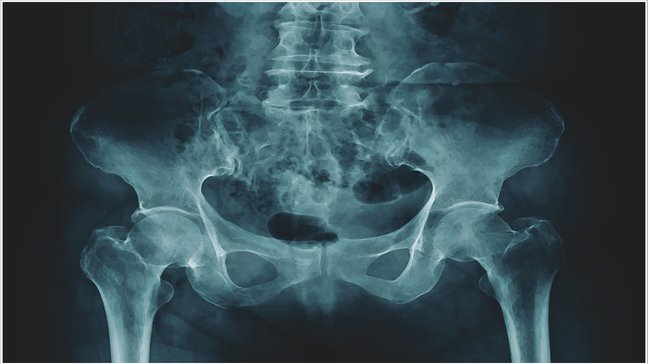
Fibroosteoses are benign changes in the bone, characterized by an increased formation of fibrous tissue (fibrosis) and bone (osteosis). They usually appear as local, defined densifications of the bone and can cause pain, functional limitations, or…
Flatfoot (Pes Planus)
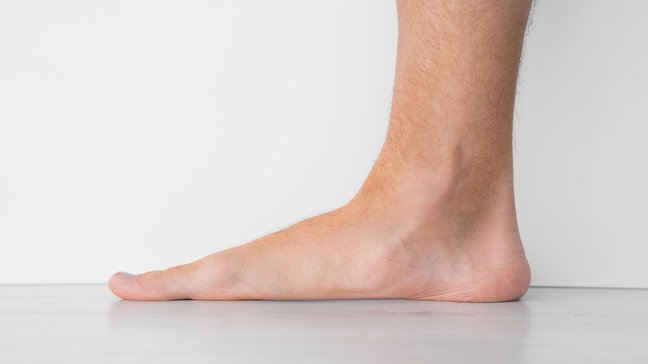
A flatfoot, medically referred to as pes planus, is a foot deformity where the arch of the foot is flattened or completely absent. This condition can be congenital or acquired and often occurs in both children and adults. While mild forms often…

Foot pain
Foot pain is a widespread symptom that affects people of all ages. It can occur in various areas of the foot, such as the heel, arch, toes, or ankle. Foot pain varies in intensity and cause and can lead to both acute and chronic discomfort. It…

Functional Movement Therapy
Functional movement therapy is a holistic method aimed at improving mobility and body functionality. Through specific exercises and movement patterns, natural movements are trained to strengthen muscles, improve joint mobility, and facilitate…
Functional Movement Therapy
Functional movement therapy is a holistic method aimed at improving mobility and body functionality. Through specific exercises and movement patterns, natural movements are trained to strengthen muscles, improve joint mobility, and facilitate…

Glutealgia
Glutealgia, or buttock pain, is a symptom that can be caused by various factors. The pain is usually localized in the buttock area but can also radiate to the lower back, hip, or legs. Glutealgia significantly affects mobility and quality of life,…

Gout
Gout is a metabolic disorder characterized by elevated uric acid levels (hyperuricemia) in the blood. It leads to the formation of uric acid crystals in joints, tissues, and organs, causing severe pain and inflammatory reactions. Gout usually occurs…

Hip joint inflammation (Coxitis)
Inflammation of the hip joint, medically referred to as coxitis, is an inflammation of the hip joint that can have both infectious and non-infectious causes. It typically manifests as pain in the groin area, restricted movement, and a protective…

Hip pain
Hip pain is a common symptom that can affect people of all ages. The pain can occur in the groin area, buttocks, or the outside of the thigh and can be both acute and chronic. It often impairs the mobility and quality of life of those affected.

Juvenile Arthritis
Juvenile arthritis, medically referred to as juvenile idiopathic arthritis (JIA), is a chronic inflammatory joint disease that occurs in children and adolescents under 16 years of age. It is the most common rheumatic disease in this age group and can…

Knee joint inflammation (arthritis)
Inflammation of the knee joint, medically referred to as arthritis of the knee joint, is an inflammatory condition that affects the knee joint. It can be triggered by infections, autoimmune diseases, or overuse and leads to pain, swelling, and…

Labral tear of the hip
A labral tear of the hip refers to damage or injury to the acetabular labrum, a cartilage-like structure that surrounds the hip socket. The labrum stabilizes the hip joint by increasing the contact area between the socket and the head while…

Loose bodies
Loose bodies, also known as joint mice or corpora libera, are freely movable structures in the joint cavity that consist of cartilage, bone, or soft tissue. They usually arise from injuries, degenerative processes, or inflammatory diseases and can…

Mirror therapy
Mirror therapy is an innovative and non-invasive form of therapy that was originally developed to treat phantom pain in amputees. Today, it is also used for other types of pain and movement disorders. The therapy uses a mirror image of the healthy…

Morton Neuroma
Morton's neuroma, also known as Morton's metatarsalgia, is a painful thickening of nerve tissue that typically occurs between the metatarsal bones in the area of the third and fourth toes. It is a common cause of forefoot pain, caused by mechanical…
Müller-Weiss syndrome
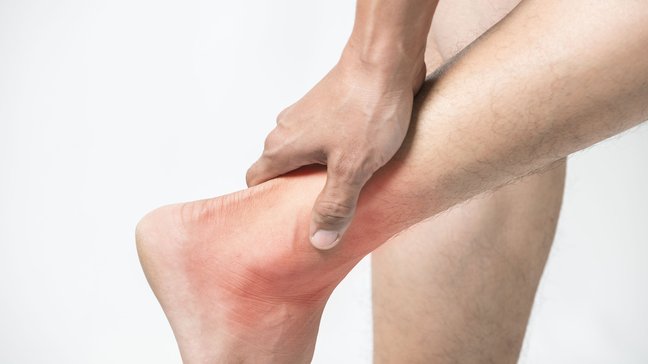
Müller-Weiss syndrome is a rare, degenerative disease of the navicular bone in the midfoot, primarily occurring in adults between 40 and 60 years of age. It is a spontaneous, non-traumatic bone necrosis that leads to deformities, pain, and movement…

Orthopedic technology
Orthopedic technology encompasses custom-fitted medical-technical assistive devices such as prostheses, orthoses, bandages, corsets, or orthopedic insoles that support, guide, relieve, or partially replace the musculoskeletal system. The goal is to…
Osteochondrosis dissecans
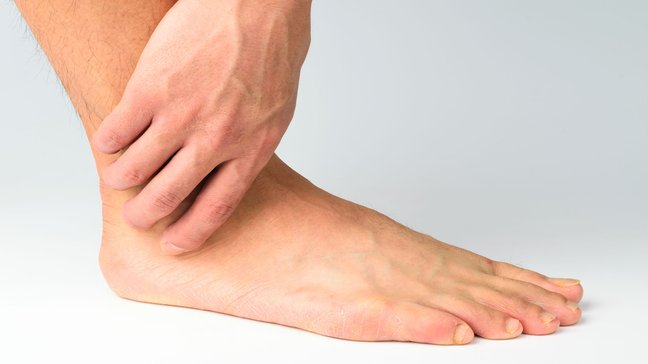
Osteochondrosis dissecans (OD) is a joint disease in which a cartilage-bone fragment becomes detached. It primarily affects young, physically active individuals and often occurs in the knee joint, but can also affect other joints such as the ankle,…
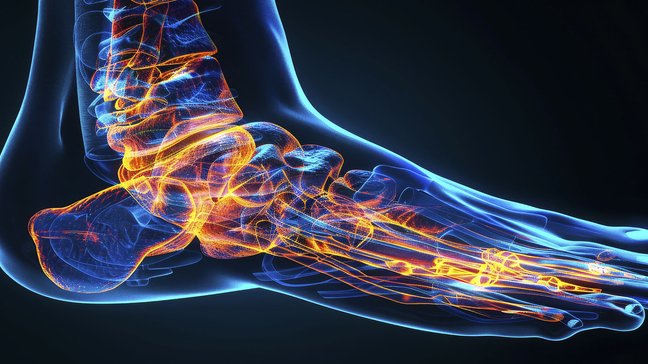
Paget's disease (Paget's disease)
Paget's disease, also known as Paget's disease of bone, is a chronic bone disorder characterized by disrupted remodeling processes in bone tissue. It leads to abnormal enlargement, thickening, and weakening of the affected bone. Typical symptoms…

Pelvic tilt
A pelvic tilt is present when the pelvis is tilted horizontally. This misalignment is often caused by a leg length discrepancy, where the lengths of the legs are different. The pelvic tilt and leg length discrepancy can lead to uneven posture, joint…

Piriformis syndrome
Piriformis syndrome is a neuromuscular disorder in which the piriformis muscle, a small, pear-shaped muscle in the buttock region, irritates or compresses the sciatic nerve. This irritation leads to pain that often radiates into the buttocks and the…

Polyneuropathy
Polyneuropathy is a disease of the peripheral nervous system in which multiple nerves are affected simultaneously. It can impair motor, sensory, and autonomic nerve functions, leading to a variety of symptoms such as pain, numbness, or muscle…

Post-infectious arthritis
Post-infectious arthritis, also known as reactive arthritis, is an inflammatory joint disease that occurs as a result of an infection. It usually develops a few weeks after an infection of the gastrointestinal tract, respiratory tract, or urogenital…