

ACG-Osteoarthritis
Classification of ACG Osteoarthritis
ACG osteoarthritis can be divided into different categories:
- Primary ACG osteoarthritis: Age-related wear of the cartilage without any identifiable pre-existing condition.
- Secondary ACG osteoarthritis: Result of injuries, such as an acromioclavicular joint dislocation or chronic overuse.
- Post-traumatic ACG osteoarthritis: Develops after fractures or surgical interventions on the joint.
Causes of ACG Osteoarthritis
The main causes of ACG osteoarthritis can be divided into the following categories:
Mechanical overload:
- Regular and repeated overhead movements, as in sports or occupational activities, lead to excessive strain on the joint.
- Chronic stress from heavy lifting or intensive shoulder movements.
Injuries:
- Traumatic events, such as a fall or a direct blow to the shoulder joint.
- Instability after an acromioclavicular joint dislocation or improper healing after injuries.
Degenerative processes:
- Age-related wear of the joint cartilage, leading to a reduction in glide ability and load-bearing capacity.
- Chronic microtraumas that accelerate cartilage degradation.
Symptoms of ACG osteoarthritis
The symptoms vary depending on the severity of the condition, but often include:
- Localized pain: Pain is concentrated on the acromioclavicular joint, intensified by movements such as lifting the arm overhead.
- Movement restrictions: Limitation in daily activities such as dressing or lifting objects.
- Tenderness: Pain when touching or applying light pressure to the joint.
- Swelling and deformity: Visible changes or swelling in the area of the joint.
- Grinding and rubbing: Noises when moving the joint, caused by the abrasion of cartilage and bone.
Diagnosis of ACG osteoarthritis
The diagnosis is made through a combination of medical history, physical examination, and imaging techniques:
- Medical history: The doctor asks about symptoms, occupational or sports-related stress, and previous injuries.
- Physical examination:
- Palpation of the joint for tenderness.
- Functional tests such as the cross-body test to reproduce pain.
- Imaging techniques:
- X-ray: Shows joint space narrowing, osteophytes, or other degenerative changes.
- MRI: Provides detailed information about cartilage damage and inflammation.
- Ultrasound: Detects inflammatory processes and fluid accumulation.
Treatment options for ACG osteoarthritis
Conservative Therapy
In most cases, ACG osteoarthritis can be treated without surgery:
-
Rest and Load Reduction: Avoidance of strenuous activities to reduce inflammation and pain.
-
Physiotherapy:
- Exercises for mobilization and stabilization of the shoulder joint.
- Strengthening of the surrounding muscles to relieve the joint.
-
Medication Therapy:
- NSAIDs (non-steroidal anti-inflammatory drugs) for pain relief and anti-inflammation.
- Injections: Cortisone or hyaluronic acid for short-term relief.
Surgical Therapy
In cases of severe discomfort or unsuccessful conservative treatment, surgery may be necessary:
-
Arthroscopic Resection: Removal of the degenerated joint part to alleviate pain.
-
Minimally Invasive Techniques: Modern procedures allow for faster healing and lower risks.
-
Joint Reconstruction: Replacement with artificial material in cases of severe damage.
Preventive measures for ACG osteoarthritis
To prevent ACG osteoarthritis, the following measures are recommended:
- Load management: Regular breaks during strenuous activities.
- Appropriate ergonomics: Adjusting workstations and aids to avoid overloading.
- Strengthening the shoulder muscles: Improving stability and relieving the joint.
- Early treatment of injuries: Avoiding chronic damage through adequate care.

Shoulder osteoarthritis (omarthrosis)
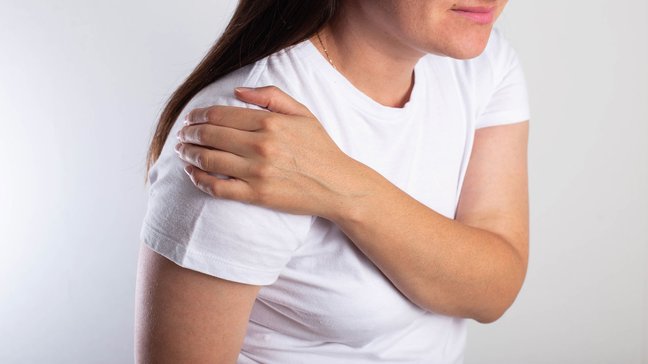
Shoulder osteoarthritis, also known as omarthrosis, is a degenerative disease of the shoulder joint, in which the joint cartilage between the head of the humerus and the glenoid cavity is increasingly worn down. This wear leads to pain, restricted…
Bursitis
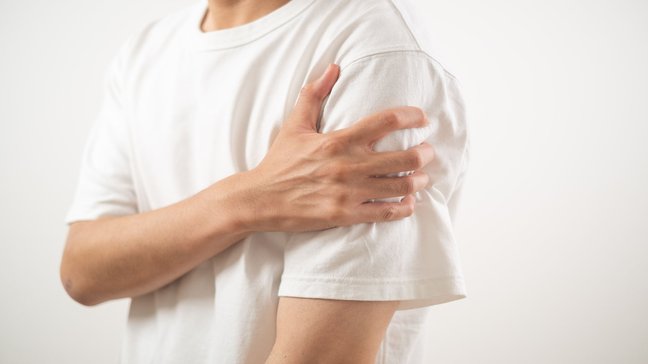
A bursitis, also called bursitis, is an inflammatory condition of a bursa, caused by irritation, overuse, or infections. Bursae are small fluid-filled cushions that lie between bones, muscles, and tendons and serve as shock absorbers and sliding…
Shoulder impingement
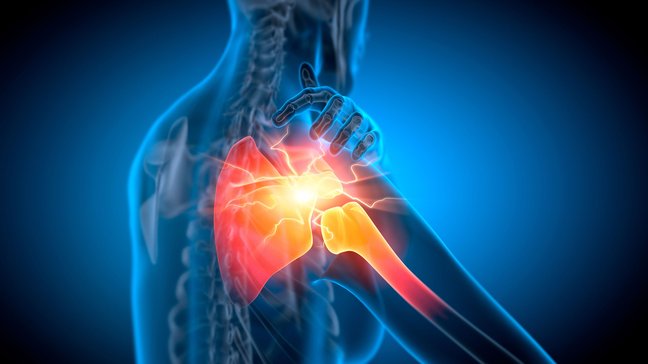
Shoulder impingement syndrome, also known as subacromial impingement, is a common cause of shoulder pain and movement restrictions. It involves a mechanical narrowing of structures, such as tendons or bursae, in the space beneath the bony shoulder…
Labrum tear
A labrum tear describes a tear of the labrum, a cartilage-like structure that surrounds the joint socket and ensures the stability of the joint. This injury often occurs in the shoulder (glenoid labrum) or the hip (acetabular labrum) and is a common…
ACG-Osteoarthritis
Classification of ACG Osteoarthritis
ACG osteoarthritis can be divided into different categories:
- Primary ACG osteoarthritis: Age-related wear of the cartilage without any identifiable pre-existing condition.
- Secondary ACG osteoarthritis: Result of injuries, such as an acromioclavicular joint dislocation or chronic overuse.
- Post-traumatic ACG osteoarthritis: Develops after fractures or surgical interventions on the joint.
Causes of ACG Osteoarthritis
The main causes of ACG osteoarthritis can be divided into the following categories:
Mechanical overload:
- Regular and repeated overhead movements, as in sports or occupational activities, lead to excessive strain on the joint.
- Chronic stress from heavy lifting or intensive shoulder movements.
Injuries:
- Traumatic events, such as a fall or a direct blow to the shoulder joint.
- Instability after an acromioclavicular joint dislocation or improper healing after injuries.
Degenerative processes:
- Age-related wear of the joint cartilage, leading to a reduction in glide ability and load-bearing capacity.
- Chronic microtraumas that accelerate cartilage degradation.
Symptoms of ACG osteoarthritis
The symptoms vary depending on the severity of the condition, but often include:
- Localized pain: Pain is concentrated on the acromioclavicular joint, intensified by movements such as lifting the arm overhead.
- Movement restrictions: Limitation in daily activities such as dressing or lifting objects.
- Tenderness: Pain when touching or applying light pressure to the joint.
- Swelling and deformity: Visible changes or swelling in the area of the joint.
- Grinding and rubbing: Noises when moving the joint, caused by the abrasion of cartilage and bone.
Diagnosis of ACG osteoarthritis
The diagnosis is made through a combination of medical history, physical examination, and imaging techniques:
- Medical history: The doctor asks about symptoms, occupational or sports-related stress, and previous injuries.
- Physical examination:
- Palpation of the joint for tenderness.
- Functional tests such as the cross-body test to reproduce pain.
- Imaging techniques:
- X-ray: Shows joint space narrowing, osteophytes, or other degenerative changes.
- MRI: Provides detailed information about cartilage damage and inflammation.
- Ultrasound: Detects inflammatory processes and fluid accumulation.
Treatment options for ACG osteoarthritis
Conservative Therapy
In most cases, ACG osteoarthritis can be treated without surgery:
-
Rest and Load Reduction: Avoidance of strenuous activities to reduce inflammation and pain.
-
Physiotherapy:
- Exercises for mobilization and stabilization of the shoulder joint.
- Strengthening of the surrounding muscles to relieve the joint.
-
Medication Therapy:
- NSAIDs (non-steroidal anti-inflammatory drugs) for pain relief and anti-inflammation.
- Injections: Cortisone or hyaluronic acid for short-term relief.
Surgical Therapy
In cases of severe discomfort or unsuccessful conservative treatment, surgery may be necessary:
-
Arthroscopic Resection: Removal of the degenerated joint part to alleviate pain.
-
Minimally Invasive Techniques: Modern procedures allow for faster healing and lower risks.
-
Joint Reconstruction: Replacement with artificial material in cases of severe damage.
Preventive measures for ACG osteoarthritis
To prevent ACG osteoarthritis, the following measures are recommended:
- Load management: Regular breaks during strenuous activities.
- Appropriate ergonomics: Adjusting workstations and aids to avoid overloading.
- Strengthening the shoulder muscles: Improving stability and relieving the joint.
- Early treatment of injuries: Avoiding chronic damage through adequate care.
Shoulder osteoarthritis (omarthrosis)
Shoulder osteoarthritis, also known as omarthrosis, is a degenerative disease of the shoulder joint, in which the joint cartilage between the head of the humerus and the glenoid cavity is increasingly worn down. This wear leads to pain, restricted…
Bursitis
A bursitis, also called bursitis, is an inflammatory condition of a bursa, caused by irritation, overuse, or infections. Bursae are small fluid-filled cushions that lie between bones, muscles, and tendons and serve as shock absorbers and sliding…
Shoulder impingement
Shoulder impingement syndrome, also known as subacromial impingement, is a common cause of shoulder pain and movement restrictions. It involves a mechanical narrowing of structures, such as tendons or bursae, in the space beneath the bony shoulder…
Labrum tear
A labrum tear describes a tear of the labrum, a cartilage-like structure that surrounds the joint socket and ensures the stability of the joint. This injury often occurs in the shoulder (glenoid labrum) or the hip (acetabular labrum) and is a common…