

Shoulder osteoarthritis (omarthrosis)
Classification of Shoulder Osteoarthritis
Shoulder osteoarthritis is classified according to cause and severity:
- Primary omarthrosis: Age-related, idiopathic wear without identifiable external causes.
- Secondary omarthrosis: Osteoarthritis resulting from injuries, inflammatory diseases, or mechanical misalignments.
- Post-traumatic omarthrosis: Following fractures, dislocations, or injuries of the shoulder joint.
- Rheumatic omarthrosis: As a result of inflammatory diseases such as rheumatoid arthritis.
- Partial osteoarthritis: Affects only parts of the joint, for example, the shoulder socket.
- Complete omarthrosis: Complete wear of the entire shoulder joint.
Causes of shoulder osteoarthritis
The causes of shoulder osteoarthritis are diverse and can be divided into mechanical, inflammatory, and traumatic factors:
- Mechanical stress:
- Repeated movements or overuse, e.g., in professional activities or sports such as tennis or handball.
- Misalignments or instabilities in the shoulder joint, leading to uneven stress.
- Traumatic causes:
- Injuries such as dislocations or fractures that cause long-term joint damage.
- Injuries to the rotator cuff, leading to uneven joint stress.
- Inflammatory diseases:
- Rheumatoid arthritis, which leads to chronic inflammation and cartilage damage.
- Degenerative processes:
- Age-related wear of cartilage tissue due to natural wear and tear.
- Risk factors:
- Overweight, which increases joint stress.
- Genetic predisposition to cartilage diseases.
Symptoms of shoulder osteoarthritis
The symptoms of shoulder osteoarthritis vary depending on the progression of the disease, but typically include:
- **Pain:** Sharp or pulling pain, initially during movement, later also at rest.
- **Movement restrictions:** Difficulty lifting the arm, especially above shoulder height.
- **Loss of strength:** Reduced muscle strength in the shoulder and arm.
- **Grinding and rubbing:** Perception of grinding noises (crepitus) in the joint.
- **Swelling:** Rare, but possible with inflammatory involvement.
- **Night pain:** Pain that affects sleep, especially when lying on the affected side.
Diagnosis of shoulder osteoarthritis
The diagnosis is made through a thorough medical history, clinical examination, and imaging techniques:
- Medical history:
- The doctor inquires about the duration and intensity of the symptoms, possible injuries, and occupational stresses.
- Physical examination:
- Checking the mobility and strength in the shoulder joint.
- Palpating for pain points and possible swelling.
- Imaging:
- X-ray: Visualization of the joint space, osteophytes, and bony changes.
- MRI: Detailed assessment of cartilage, soft tissues, and accompanying injuries.
- Ultrasound: Evaluation of soft tissues, especially the rotator cuff.
Treatment options for shoulder osteoarthritis
Conservative Therapy
In the early stages, non-surgical treatment is often sufficient to alleviate symptoms and maintain joint function:
- Medication Therapy:
- NSAIDs: For pain relief and anti-inflammatory effects.
- Hyaluronic acid injections to improve joint function.
- Corticosteroid injections for acute inflammation.
- Physiotherapy:
- Exercises to strengthen shoulder muscles and improve mobility.
- Manual therapy to relieve joint stress.
- Pain Management:
- Heat or cold therapy to relieve pain and inflammation.
- Alternative Therapies:
- Shockwave therapy or acupuncture for pain relief.
Surgical Therapy
In cases of advanced osteoarthritis or persistent symptoms despite conservative measures, surgery may be necessary:
- Arthroscopy: Minimally invasive joint cleaning to remove cartilage debris and osteophytes.
- Joint Replacement (Endoprosthesis):
- Hemiarthroplasty: Replacement of the humeral head.
- Total Endoprosthesis: Replacement of the entire joint.
- Reverse Prosthesis: For rotator cuff damage.
- Osteotomies: Correction of misalignments to relieve joint stress.
Preventive measures for shoulder osteoarthritis
To prevent shoulder osteoarthritis and support joint health, the following measures are recommended:
- Ergonomic movements: Avoiding unilateral strain and incorrect posture.
- Regular exercise: Promoting joint mobility through moderate sports like swimming.
- Muscle strengthening: Targeted training of the shoulder muscles to stabilize the joint.
- Weight control: Reducing joint strain through a healthy body weight.
- Early detection and treatment: Seeking medical advice promptly at the first signs of pain or stiffness.
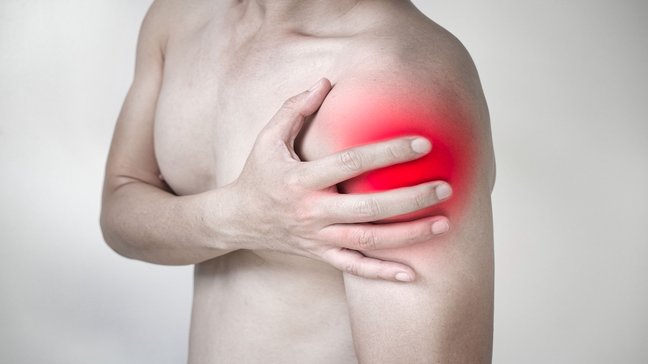
Rupture of the long biceps tendon
A tear of the long biceps tendon is a common injury that usually occurs due to acute overload or degenerative changes. The long biceps tendon connects the biceps muscle to the shoulder and plays an important role in the mobility and stability of the…
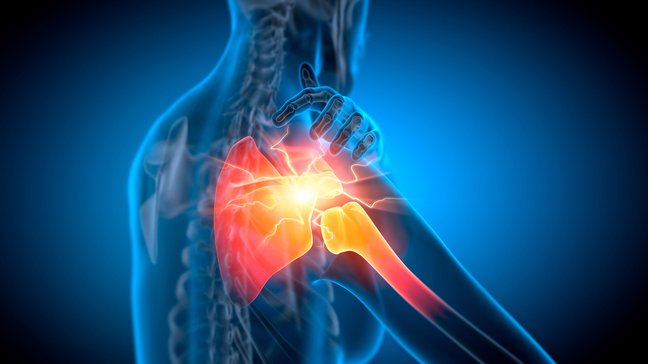
Labrum tear
A labrum tear describes a tear of the labrum, a cartilage-like structure that surrounds the joint socket and ensures the stability of the joint. This injury often occurs in the shoulder (glenoid labrum) or the hip (acetabular labrum) and is a common…
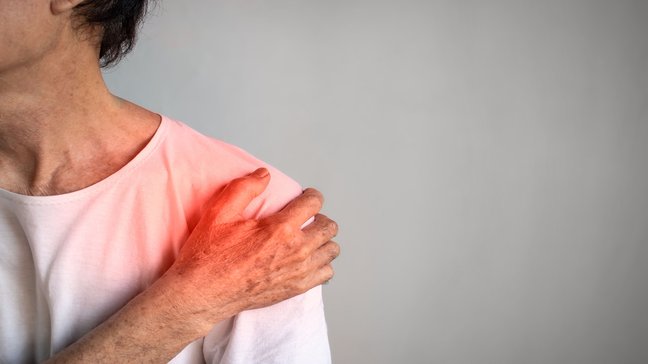
Frozen Shoulder
Frozen shoulder, medically referred to as adhesive capsulitis, is a condition of the shoulder joint characterized by severe pain and a significant restriction of mobility. It typically occurs in individuals between the ages of 40 and 60 and affects…
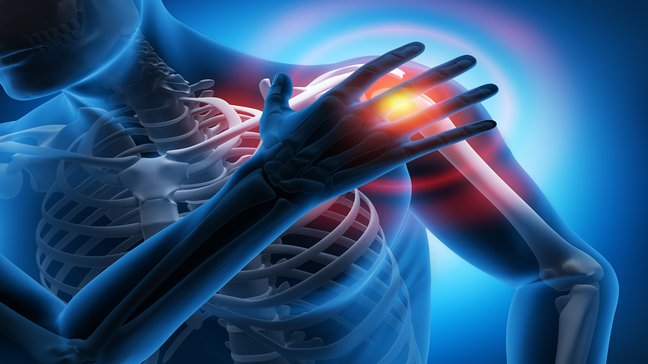
ACG-Osteoarthritis
ACJ osteoarthritis (acromioclavicular joint osteoarthritis) is a degenerative disease of the acromioclavicular joint that can lead to pain, movement restrictions, and chronic discomfort. It often affects middle-aged and older individuals as well as…
Shoulder osteoarthritis (omarthrosis)
Classification of Shoulder Osteoarthritis
Shoulder osteoarthritis is classified according to cause and severity:
- Primary omarthrosis: Age-related, idiopathic wear without identifiable external causes.
- Secondary omarthrosis: Osteoarthritis resulting from injuries, inflammatory diseases, or mechanical misalignments.
- Post-traumatic omarthrosis: Following fractures, dislocations, or injuries of the shoulder joint.
- Rheumatic omarthrosis: As a result of inflammatory diseases such as rheumatoid arthritis.
- Partial osteoarthritis: Affects only parts of the joint, for example, the shoulder socket.
- Complete omarthrosis: Complete wear of the entire shoulder joint.
Causes of shoulder osteoarthritis
The causes of shoulder osteoarthritis are diverse and can be divided into mechanical, inflammatory, and traumatic factors:
- Mechanical stress:
- Repeated movements or overuse, e.g., in professional activities or sports such as tennis or handball.
- Misalignments or instabilities in the shoulder joint, leading to uneven stress.
- Traumatic causes:
- Injuries such as dislocations or fractures that cause long-term joint damage.
- Injuries to the rotator cuff, leading to uneven joint stress.
- Inflammatory diseases:
- Rheumatoid arthritis, which leads to chronic inflammation and cartilage damage.
- Degenerative processes:
- Age-related wear of cartilage tissue due to natural wear and tear.
- Risk factors:
- Overweight, which increases joint stress.
- Genetic predisposition to cartilage diseases.
Symptoms of shoulder osteoarthritis
The symptoms of shoulder osteoarthritis vary depending on the progression of the disease, but typically include:
- **Pain:** Sharp or pulling pain, initially during movement, later also at rest.
- **Movement restrictions:** Difficulty lifting the arm, especially above shoulder height.
- **Loss of strength:** Reduced muscle strength in the shoulder and arm.
- **Grinding and rubbing:** Perception of grinding noises (crepitus) in the joint.
- **Swelling:** Rare, but possible with inflammatory involvement.
- **Night pain:** Pain that affects sleep, especially when lying on the affected side.
Diagnosis of shoulder osteoarthritis
The diagnosis is made through a thorough medical history, clinical examination, and imaging techniques:
- Medical history:
- The doctor inquires about the duration and intensity of the symptoms, possible injuries, and occupational stresses.
- Physical examination:
- Checking the mobility and strength in the shoulder joint.
- Palpating for pain points and possible swelling.
- Imaging:
- X-ray: Visualization of the joint space, osteophytes, and bony changes.
- MRI: Detailed assessment of cartilage, soft tissues, and accompanying injuries.
- Ultrasound: Evaluation of soft tissues, especially the rotator cuff.
Treatment options for shoulder osteoarthritis
Conservative Therapy
In the early stages, non-surgical treatment is often sufficient to alleviate symptoms and maintain joint function:
- Medication Therapy:
- NSAIDs: For pain relief and anti-inflammatory effects.
- Hyaluronic acid injections to improve joint function.
- Corticosteroid injections for acute inflammation.
- Physiotherapy:
- Exercises to strengthen shoulder muscles and improve mobility.
- Manual therapy to relieve joint stress.
- Pain Management:
- Heat or cold therapy to relieve pain and inflammation.
- Alternative Therapies:
- Shockwave therapy or acupuncture for pain relief.
Surgical Therapy
In cases of advanced osteoarthritis or persistent symptoms despite conservative measures, surgery may be necessary:
- Arthroscopy: Minimally invasive joint cleaning to remove cartilage debris and osteophytes.
- Joint Replacement (Endoprosthesis):
- Hemiarthroplasty: Replacement of the humeral head.
- Total Endoprosthesis: Replacement of the entire joint.
- Reverse Prosthesis: For rotator cuff damage.
- Osteotomies: Correction of misalignments to relieve joint stress.
Preventive measures for shoulder osteoarthritis
To prevent shoulder osteoarthritis and support joint health, the following measures are recommended:
- Ergonomic movements: Avoiding unilateral strain and incorrect posture.
- Regular exercise: Promoting joint mobility through moderate sports like swimming.
- Muscle strengthening: Targeted training of the shoulder muscles to stabilize the joint.
- Weight control: Reducing joint strain through a healthy body weight.
- Early detection and treatment: Seeking medical advice promptly at the first signs of pain or stiffness.
Rupture of the long biceps tendon
A tear of the long biceps tendon is a common injury that usually occurs due to acute overload or degenerative changes. The long biceps tendon connects the biceps muscle to the shoulder and plays an important role in the mobility and stability of the…
Labrum tear
A labrum tear describes a tear of the labrum, a cartilage-like structure that surrounds the joint socket and ensures the stability of the joint. This injury often occurs in the shoulder (glenoid labrum) or the hip (acetabular labrum) and is a common…
Frozen Shoulder
Frozen shoulder, medically referred to as adhesive capsulitis, is a condition of the shoulder joint characterized by severe pain and a significant restriction of mobility. It typically occurs in individuals between the ages of 40 and 60 and affects…
ACG-Osteoarthritis
ACJ osteoarthritis (acromioclavicular joint osteoarthritis) is a degenerative disease of the acromioclavicular joint that can lead to pain, movement restrictions, and chronic discomfort. It often affects middle-aged and older individuals as well as…