

Bursitis
Classification of Bursitis
Bursitis can be distinguished by cause, course, and location:
1. **Acute bursitis:** Sudden onset inflammation, often with severe pain and swelling.
2. **Chronic bursitis:** Long-lasting or recurring inflammation, often caused by constant overuse.
3. **Infectious bursitis:** Inflammation caused by bacteria, usually accompanied by fever and redness.
4. **Traumatic bursitis:** Results from direct injuries, such as bumps or bruises.
5. **Rheumatic bursitis:** Accompanies systemic diseases like rheumatoid arthritis.
Causes of bursitis
The causes of bursitis are varied and often related to mechanical or inflammatory processes:
- Mechanical overload:
- Repeated movements or sustained pressure on an area, such as through sports or physical work.
- Incorrect posture or overexertion, for example during intensive gardening or heavy lifting.
- Traumatic influences:
- Direct injuries from falls, blows, or repeated microtraumas.
- Inflammatory diseases:
- Accompanying symptoms in rheumatism, gout, or lupus.
- Infections:
- Penetration of bacteria into the bursa, usually through open wounds or injections.
- Anatomical misalignments:
- Deviations such as knock-knees or bowlegs, leading to uneven stress.
Symptoms of bursitis
The symptoms vary depending on the cause and severity of the inflammation, but typically include:
- **Localized pain:** Sharp or dull pain in the area of the affected bursa.
- **Swelling:** Visible and palpable swelling, often with redness and warmth of the skin.
- **Movement restrictions:** Pain during movement or pressure on the affected area.
- **Tenderness:** Severe pain when touching the inflamed bursa.
- **Fever and general malaise:** In cases of infectious bursitis.
Diagnosis of bursitis
The diagnosis is made through a combination of medical history, clinical examination, and, if necessary, imaging techniques:
- **Medical History:**
- The doctor inquires about symptoms, possible overuse or injuries, and existing preconditions.
- **Physical Examination:**
- Examination for swelling, redness, tenderness, and movement restrictions.
- **Imaging:**
- **Ultrasound:** To assess the bursa and possible fluid accumulations.
- **MRI:** Detailed imaging in cases of suspected chronic or complex inflammations.
- **X-ray:** To rule out bony changes.
- **Laboratory Tests:**
- Blood tests to identify markers of inflammation or infections.
- Aspiration of the bursa to analyze the fluid in case of suspected bacterial infection.
Treatment options for bursitis
Conservative Therapy
Most bursitis cases can be treated without surgical intervention:
- Immobilization and Relief:
- Avoidance of strain and protection of the affected area.
- Medication Therapy:
- NSAIDs: To alleviate pain and inflammation.
- Antibiotics for infectious bursitis.
- Physiotherapy:
- Mobilization and strengthening of the affected area after acute symptoms subside.
- Local Applications:
- Cold packs to reduce pain and swelling in acute inflammations.
- Heat therapy for chronic complaints to promote circulation.
- Injections:
- Corticosteroids to reduce inflammation in severe cases.
Surgical Therapy
In cases of persistent symptoms or complicated courses, surgery may be necessary:
- Aspiration: Removal of excess fluid to relieve pressure.
- Bursectomy: Surgical removal of the inflamed bursa in chronic or recurrent inflammations.
- Debridement: Cleaning and removal of infected tissue.
Preventive measures for bursitis
To prevent bursitis and alleviate existing symptoms, the following measures are recommended:
- Ergonomic posture: Avoidance of poor posture and overstrain in everyday life or work.
- Protective measures: Use of cushions or pads during kneeling or strenuous activities.
- Regular exercise: Promotion of joint flexibility and stability through targeted training.
- Healthy lifestyle: Reduction of inflammation-promoting factors such as overweight or smoking.
- Early treatment: Seek medical help promptly at the first signs of overstrain.
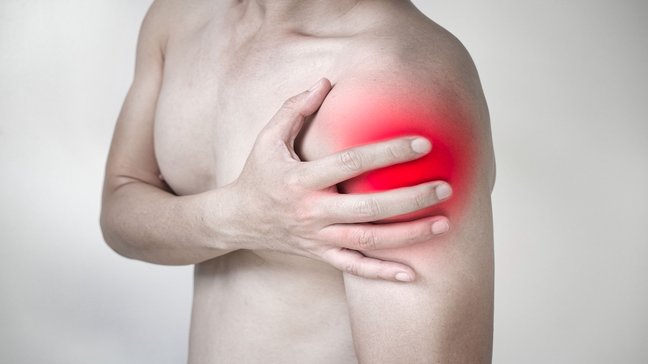
Rupture of the long biceps tendon
A tear of the long biceps tendon is a common injury that usually occurs due to acute overload or degenerative changes. The long biceps tendon connects the biceps muscle to the shoulder and plays an important role in the mobility and stability of the…
Calcific shoulder
Calcific shoulder, medically referred to as calcific tendinitis, is a condition where calcium deposits form in the tendons of the shoulder's rotator cuff. These deposits can lead to severe pain, restricted movement, and inflammation. Calcific…
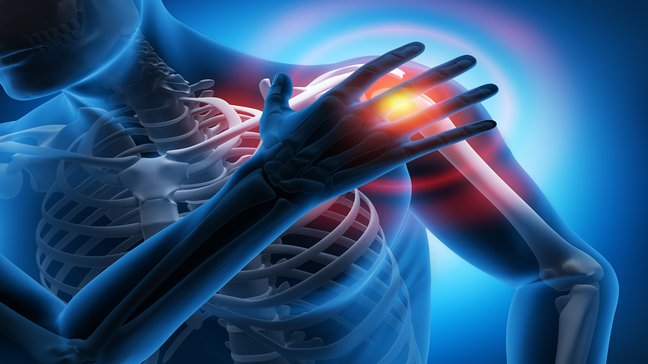
ACG-Osteoarthritis
ACJ osteoarthritis (acromioclavicular joint osteoarthritis) is a degenerative disease of the acromioclavicular joint that can lead to pain, movement restrictions, and chronic discomfort. It often affects middle-aged and older individuals as well as…
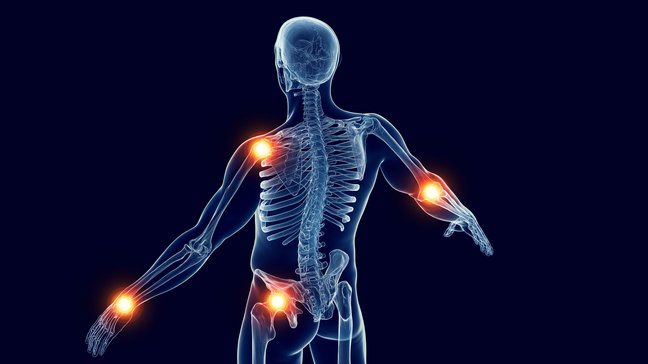
Osteonecrosis in childhood
Osteonecroses in childhood are conditions in which there is a localized blood flow disorder in the bone, leading to the death of the affected tissue. These disorders often occur at the growth zones (epiphyses) and are typically associated with pain,…
Bursitis
Classification of Bursitis
Bursitis can be distinguished by cause, course, and location:
1. **Acute bursitis:** Sudden onset inflammation, often with severe pain and swelling.
2. **Chronic bursitis:** Long-lasting or recurring inflammation, often caused by constant overuse.
3. **Infectious bursitis:** Inflammation caused by bacteria, usually accompanied by fever and redness.
4. **Traumatic bursitis:** Results from direct injuries, such as bumps or bruises.
5. **Rheumatic bursitis:** Accompanies systemic diseases like rheumatoid arthritis.
Causes of bursitis
The causes of bursitis are varied and often related to mechanical or inflammatory processes:
- Mechanical overload:
- Repeated movements or sustained pressure on an area, such as through sports or physical work.
- Incorrect posture or overexertion, for example during intensive gardening or heavy lifting.
- Traumatic influences:
- Direct injuries from falls, blows, or repeated microtraumas.
- Inflammatory diseases:
- Accompanying symptoms in rheumatism, gout, or lupus.
- Infections:
- Penetration of bacteria into the bursa, usually through open wounds or injections.
- Anatomical misalignments:
- Deviations such as knock-knees or bowlegs, leading to uneven stress.
Symptoms of bursitis
The symptoms vary depending on the cause and severity of the inflammation, but typically include:
- **Localized pain:** Sharp or dull pain in the area of the affected bursa.
- **Swelling:** Visible and palpable swelling, often with redness and warmth of the skin.
- **Movement restrictions:** Pain during movement or pressure on the affected area.
- **Tenderness:** Severe pain when touching the inflamed bursa.
- **Fever and general malaise:** In cases of infectious bursitis.
Diagnosis of bursitis
The diagnosis is made through a combination of medical history, clinical examination, and, if necessary, imaging techniques:
- **Medical History:**
- The doctor inquires about symptoms, possible overuse or injuries, and existing preconditions.
- **Physical Examination:**
- Examination for swelling, redness, tenderness, and movement restrictions.
- **Imaging:**
- **Ultrasound:** To assess the bursa and possible fluid accumulations.
- **MRI:** Detailed imaging in cases of suspected chronic or complex inflammations.
- **X-ray:** To rule out bony changes.
- **Laboratory Tests:**
- Blood tests to identify markers of inflammation or infections.
- Aspiration of the bursa to analyze the fluid in case of suspected bacterial infection.
Treatment options for bursitis
Conservative Therapy
Most bursitis cases can be treated without surgical intervention:
- Immobilization and Relief:
- Avoidance of strain and protection of the affected area.
- Medication Therapy:
- NSAIDs: To alleviate pain and inflammation.
- Antibiotics for infectious bursitis.
- Physiotherapy:
- Mobilization and strengthening of the affected area after acute symptoms subside.
- Local Applications:
- Cold packs to reduce pain and swelling in acute inflammations.
- Heat therapy for chronic complaints to promote circulation.
- Injections:
- Corticosteroids to reduce inflammation in severe cases.
Surgical Therapy
In cases of persistent symptoms or complicated courses, surgery may be necessary:
- Aspiration: Removal of excess fluid to relieve pressure.
- Bursectomy: Surgical removal of the inflamed bursa in chronic or recurrent inflammations.
- Debridement: Cleaning and removal of infected tissue.
Preventive measures for bursitis
To prevent bursitis and alleviate existing symptoms, the following measures are recommended:
- Ergonomic posture: Avoidance of poor posture and overstrain in everyday life or work.
- Protective measures: Use of cushions or pads during kneeling or strenuous activities.
- Regular exercise: Promotion of joint flexibility and stability through targeted training.
- Healthy lifestyle: Reduction of inflammation-promoting factors such as overweight or smoking.
- Early treatment: Seek medical help promptly at the first signs of overstrain.
Rupture of the long biceps tendon
A tear of the long biceps tendon is a common injury that usually occurs due to acute overload or degenerative changes. The long biceps tendon connects the biceps muscle to the shoulder and plays an important role in the mobility and stability of the…
Calcific shoulder
Calcific shoulder, medically referred to as calcific tendinitis, is a condition where calcium deposits form in the tendons of the shoulder's rotator cuff. These deposits can lead to severe pain, restricted movement, and inflammation. Calcific…
ACG-Osteoarthritis
ACJ osteoarthritis (acromioclavicular joint osteoarthritis) is a degenerative disease of the acromioclavicular joint that can lead to pain, movement restrictions, and chronic discomfort. It often affects middle-aged and older individuals as well as…
Osteonecrosis in childhood
Osteonecroses in childhood are conditions in which there is a localized blood flow disorder in the bone, leading to the death of the affected tissue. These disorders often occur at the growth zones (epiphyses) and are typically associated with pain,…