

Orthopedic technology
When is orthopedic technology used?
Orthopedic technology is used when body parts are weakened, malformed, injured, or amputated and need to be stabilized or replaced externally. Typical areas of application include joint misalignments, ligament instabilities, osteoarthritis, neurological paralysis, diabetic foot problems, conditions after bone fractures, as well as arm‑ or leg amputations.
Advantages of orthopaedic-technical care
- Improvement of stability and gait, reduced risk of falls and incorrect loading.
- Pain relief by relieving overstrained joints, tendons, and muscles.
- Promotion of mobility and independence in everyday life, often also faster Rehabilitation after operations or injuries.
- Individual customization to foot shape, body statics, occupation, sport, and footwear for high wearing comfort.
What types of orthopedic technology are there?
- Prosthetics: Artificial replacement parts for missing limbs (e.g., arm and leg prostheses) to restore standing, gait, and grasping function.
- Orthotics: Orthoses, bandages, and corsets for stabilization, guidance, correction, or immobilization of joints, the spine and extremities.
- Insole and shoe technology: Orthopedic insoles, shoe modifications, and custom-made shoes to correct foot deformities and relieve pressure.
- Rehab and special technology: Wheelchair and seating shell fittings, special positioning and walking aids for patients with complex impairments.

Posture, Stability, and Mobility Analysis with Medi Mouse
The Medi Mouse is a modern measuring instrument for the analysis of the spine. With this method, posture, mobility, and stability of the spine can be examined precisely—entirely without X-ray radiation.
The examination provides important information…
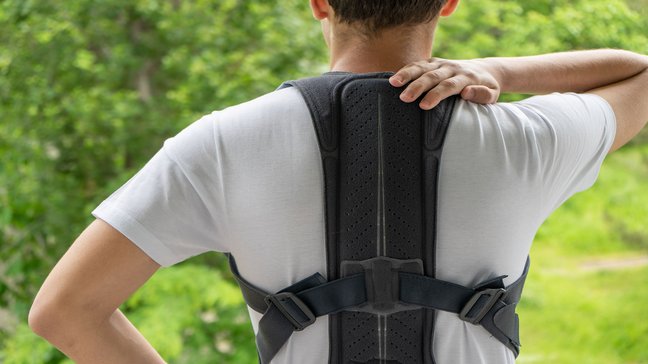
Orthopedic aids
Orthopedic aids are specialized devices and equipment designed to support, stabilize, and relieve the musculoskeletal system. They play an essential role in the treatment of injuries, chronic diseases, and in rehabilitation after surgeries. These…
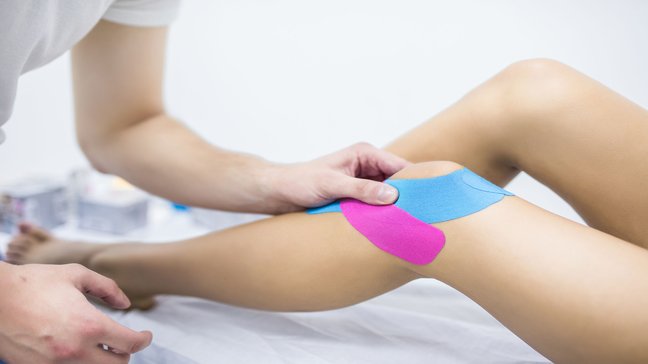
Kinesio Taping
Kinesio taping is a therapeutic method in which elastic, skin-friendly adhesive tapes are applied to specific areas of the body to relieve pain, support muscle and joint function, and promote circulation. This technique was developed by Dr. Kenzo…
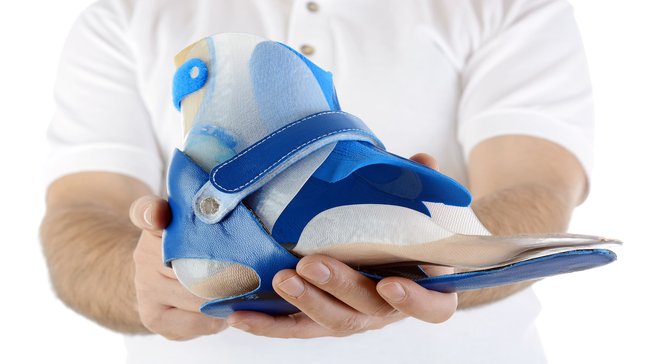
Orthotics/Assistive Devices Supply
Orthoses and other aids are important components of orthopedic care. They serve to support, stabilize, and correct the musculoskeletal system and joints. These aids can relieve pain, improve functionality, and support rehabilitation after injuries or…
Orthopedic technology
When is orthopedic technology used?
Orthopedic technology is used when body parts are weakened, malformed, injured, or amputated and need to be stabilized or replaced externally. Typical areas of application include joint misalignments, ligament instabilities, osteoarthritis, neurological paralysis, diabetic foot problems, conditions after bone fractures, as well as arm‑ or leg amputations.
Advantages of orthopaedic-technical care
- Improvement of stability and gait, reduced risk of falls and incorrect loading.
- Pain relief by relieving overstrained joints, tendons, and muscles.
- Promotion of mobility and independence in everyday life, often also faster Rehabilitation after operations or injuries.
- Individual customization to foot shape, body statics, occupation, sport, and footwear for high wearing comfort.
What types of orthopedic technology are there?
- Prosthetics: Artificial replacement parts for missing limbs (e.g., arm and leg prostheses) to restore standing, gait, and grasping function.
- Orthotics: Orthoses, bandages, and corsets for stabilization, guidance, correction, or immobilization of joints, the spine and extremities.
- Insole and shoe technology: Orthopedic insoles, shoe modifications, and custom-made shoes to correct foot deformities and relieve pressure.
- Rehab and special technology: Wheelchair and seating shell fittings, special positioning and walking aids for patients with complex impairments.
Posture, Stability, and Mobility Analysis with Medi Mouse
The Medi Mouse is a modern measuring instrument for the analysis of the spine. With this method, posture, mobility, and stability of the spine can be examined precisely—entirely without X-ray radiation.
The examination provides important information…
Orthopedic aids
Orthopedic aids are specialized devices and equipment designed to support, stabilize, and relieve the musculoskeletal system. They play an essential role in the treatment of injuries, chronic diseases, and in rehabilitation after surgeries. These…
Kinesio Taping
Kinesio taping is a therapeutic method in which elastic, skin-friendly adhesive tapes are applied to specific areas of the body to relieve pain, support muscle and joint function, and promote circulation. This technique was developed by Dr. Kenzo…
Orthotics/Assistive Devices Supply
Orthoses and other aids are important components of orthopedic care. They serve to support, stabilize, and correct the musculoskeletal system and joints. These aids can relieve pain, improve functionality, and support rehabilitation after injuries or…