

Orthotics/Assistive Devices Supply
When are orthoses and aids used?
Orthoses and aids are used for various complaints and conditions, including:
- Joint problems (e.g., arthritis, osteoarthritis)
- Injuries (e.g., ligament tears, bone fractures)
- Spinal problems (e.g., scoliosis, herniated discs)
- Neurological disorders (e.g., cerebral palsy, multiple sclerosis)
- Postoperative rehabilitation
- Misalignments (e.g., clubfoot, flatfoot)
- Sports injuries and overuse injuries
Advantages of orthoses and aids
- Pain relief: Effectively reduce pain by stabilizing and relieving the affected areas.
- Improvement of function: Support the mobility and function of joints and muscles.
- Prevention: Prevent further damage and support healing.
- Individually tailored: Customized to the specific needs of the patient.
- Support of rehabilitation: Promote recovery and enable a quicker return to daily activities.
Types of Orthoses and Aids
There are different types of orthoses and aids that are used depending on the need and specific area of application:
-
Knee orthoses:
- Application: For knee injuries, osteoarthritis, after surgeries.
- Function: Stabilize the knee joint, reduce pain, and promote healing.
-
Foot and ankle orthoses:
- Application: For flatfoot, ankle injuries, after surgeries.
- Function: Support and stabilize the foot and ankle.
-
Back orthoses:
- Application: For back pain, scoliosis, herniated discs.
- Function: Relieve and stabilize the spine.
-
Hand and wrist orthoses:
- Application: For carpal tunnel syndrome, wrist injuries, arthritis.
- Function: Stabilize the wrist and hand, reduce pain.
-
Splints and bandages:
- Application: For injuries and overuse damage to joints and muscles.
- Function: Provide compression, stability, and support.
-
Orthopedic insoles:
- Application: For foot deformities, plantar fasciitis.
- Function: Support the arch of the foot and improve foot function.
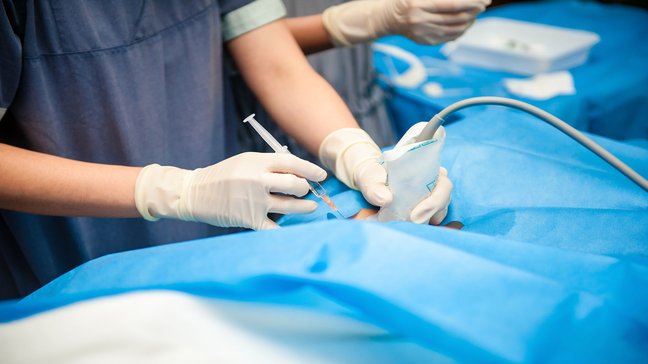
Ultrasound-guided pain therapy
Ultrasound-guided pain therapy is a precise and effective treatment method for alleviating pain, using imaging techniques such as ultrasound to determine the exact position of the injection. This method is often used to treat chronic pain,…
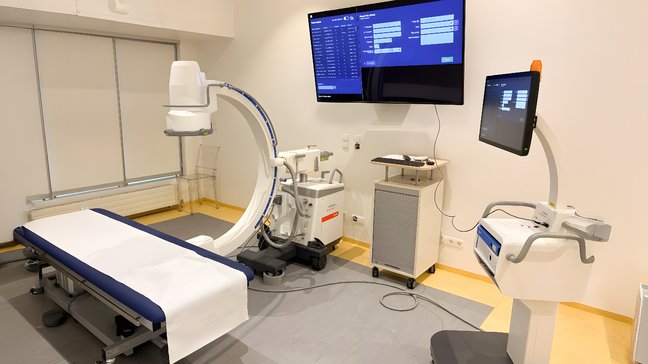
X-ray guided pain therapy
X-ray-guided pain therapy is a precise and effective treatment method for relieving pain. Imaging techniques such as X-rays are used to determine the exact location of the injection. This method is commonly used to treat chronic pain, particularly…
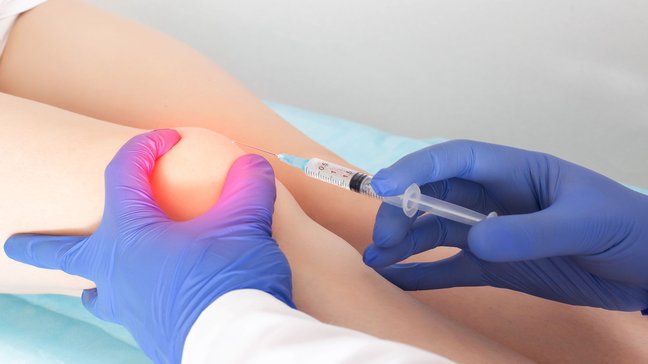
Hyaluronic Acid Therapy
Hyaluronic acid therapy is a treatment method in which hyaluronic acid is directly injected into the joint to relieve pain and improve joint function. Hyaluronic acid is a natural component of joint fluid and contributes to the lubrication and shock…
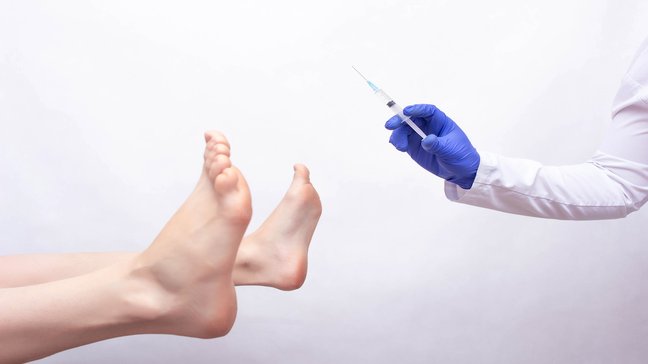
Botulinum toxin in orthopedics
Botulinum toxin is a neurotoxic protein with a wide range of medical applications. In orthopedics, it is used to treat certain muscular and neuromuscular conditions. It works by blocking the release of acetylcholine, a neurotransmitter responsible…
Orthotics/Assistive Devices Supply
When are orthoses and aids used?
Orthoses and aids are used for various complaints and conditions, including:
- Joint problems (e.g., arthritis, osteoarthritis)
- Injuries (e.g., ligament tears, bone fractures)
- Spinal problems (e.g., scoliosis, herniated discs)
- Neurological disorders (e.g., cerebral palsy, multiple sclerosis)
- Postoperative rehabilitation
- Misalignments (e.g., clubfoot, flatfoot)
- Sports injuries and overuse injuries
Advantages of orthoses and aids
- Pain relief: Effectively reduce pain by stabilizing and relieving the affected areas.
- Improvement of function: Support the mobility and function of joints and muscles.
- Prevention: Prevent further damage and support healing.
- Individually tailored: Customized to the specific needs of the patient.
- Support of rehabilitation: Promote recovery and enable a quicker return to daily activities.
Types of Orthoses and Aids
There are different types of orthoses and aids that are used depending on the need and specific area of application:
-
Knee orthoses:
- Application: For knee injuries, osteoarthritis, after surgeries.
- Function: Stabilize the knee joint, reduce pain, and promote healing.
-
Foot and ankle orthoses:
- Application: For flatfoot, ankle injuries, after surgeries.
- Function: Support and stabilize the foot and ankle.
-
Back orthoses:
- Application: For back pain, scoliosis, herniated discs.
- Function: Relieve and stabilize the spine.
-
Hand and wrist orthoses:
- Application: For carpal tunnel syndrome, wrist injuries, arthritis.
- Function: Stabilize the wrist and hand, reduce pain.
-
Splints and bandages:
- Application: For injuries and overuse damage to joints and muscles.
- Function: Provide compression, stability, and support.
-
Orthopedic insoles:
- Application: For foot deformities, plantar fasciitis.
- Function: Support the arch of the foot and improve foot function.
Ultrasound-guided pain therapy
Ultrasound-guided pain therapy is a precise and effective treatment method for alleviating pain, using imaging techniques such as ultrasound to determine the exact position of the injection. This method is often used to treat chronic pain,…
X-ray guided pain therapy
X-ray-guided pain therapy is a precise and effective treatment method for relieving pain. Imaging techniques such as X-rays are used to determine the exact location of the injection. This method is commonly used to treat chronic pain, particularly…
Hyaluronic Acid Therapy
Hyaluronic acid therapy is a treatment method in which hyaluronic acid is directly injected into the joint to relieve pain and improve joint function. Hyaluronic acid is a natural component of joint fluid and contributes to the lubrication and shock…
Botulinum toxin in orthopedics
Botulinum toxin is a neurotoxic protein with a wide range of medical applications. In orthopedics, it is used to treat certain muscular and neuromuscular conditions. It works by blocking the release of acetylcholine, a neurotransmitter responsible…