

Kinesio Taping
When is Kinesio taping used?
Kinesio taping is used for various ailments and for general health promotion, including:
- Muscle tension and injuries
- Joint complaints (e.g., arthritis, osteoarthritis)
- Tendonitis (e.g., tennis elbow, Achilles tendonitis)
- Back and neck pain
- Lymphatic drainage disorders
- Sports injuries and overuse injuries
- Injury prevention
- Postoperative rehabilitation
Advantages of Kinesio Taping
- Pain relief: Effectively reduces pain by supporting and relieving the affected structures.
- Promotion of healing: Supports the healing process through improved blood circulation and lymphatic drainage.
- Improvement of muscle function: Stabilizes and relieves muscles and joints without restricting freedom of movement.
- Long-lasting effect: Can be worn for several days and provides continuous support.
- Adaptability: Can be applied to different body parts and for various complaints.
- Low side effects: Skin-friendly and rarely associated with side effects.
Execution of Kinesio Taping
- Examination: The therapist conducts a thorough medical history and physical examination to identify the specific needs and complaints.
- Preparation: The skin is cleaned and, if necessary, shaved to ensure optimal adhesion of the tape.
- Application: The Kinesio tape is applied to the affected areas in specific patterns and techniques. Depending on the goal, different application techniques can be used to achieve the desired therapeutic effect.
- Duration of treatment: The tape can be worn for several days, depending on the patient's skin type and activity level.
- Frequency of sessions: Depending on the type and severity of the complaints, several applications at regular intervals may be necessary.
What you need to consider before Kinesio taping.
- Skin problems: Inform the therapist about existing skin problems or allergies to adhesives.
- Medications: Inform the therapist if you are taking medications that could affect skin sensitivity.
- Preparation: No special preparations are required, but the skin should be clean and dry.
Debriefing and Consultation
After the Kinesio taping, the therapist will discuss the application and its effects with you. The therapist will assess whether further applications are necessary and how the taping can be integrated into the overall treatment plan. Additional recommendations may include physiotherapeutic measures, specific exercises, or adjustments in daily life to support healing and pain relief.
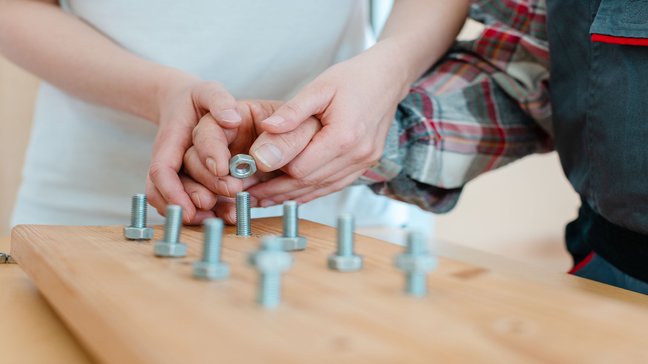
Occupational therapy
Occupational therapy is a holistic and practice-oriented form of therapy that aims to help people improve or regain their ability to act in everyday life. It is used for a variety of physical, psychological, and cognitive impairments and supports…
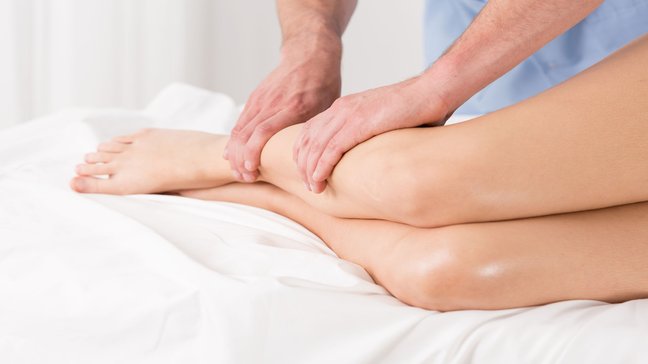
Manual lymphatic drainage
Manual lymph drainage (MLD) is a special form of therapy that stimulates the lymph flow in the body through gentle, rhythmic massage techniques. It is often used to treat lymphedema and to support healing after injuries or surgeries. This technique…
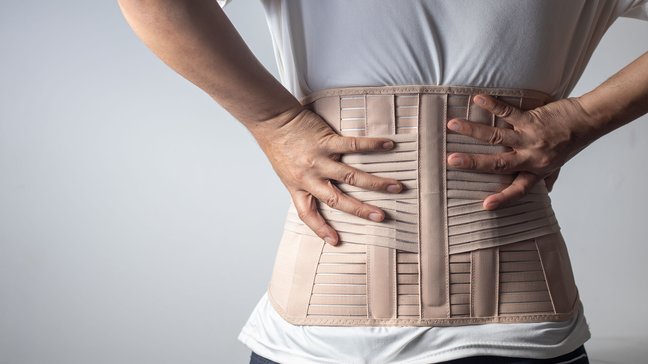
Corset
A corset, also referred to as an orthosis or support corset, is a medical device used to stabilize and support the back and spine. It is often used for the treatment and prevention of back problems and can help alleviate pain and improve mobility.…
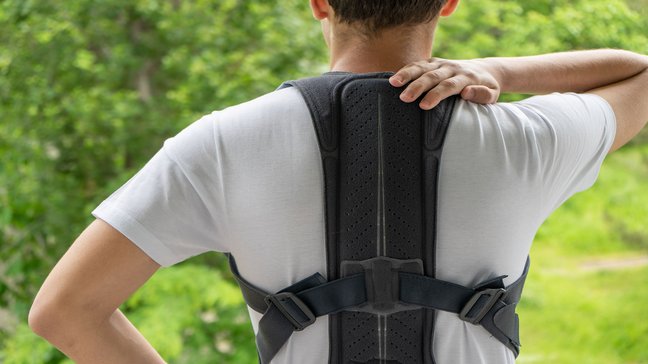
Orthopedic aids
Orthopedic aids are specialized devices and equipment designed to support, stabilize, and relieve the musculoskeletal system. They play an essential role in the treatment of injuries, chronic diseases, and in rehabilitation after surgeries. These…
Kinesio Taping
When is Kinesio taping used?
Kinesio taping is used for various ailments and for general health promotion, including:
- Muscle tension and injuries
- Joint complaints (e.g., arthritis, osteoarthritis)
- Tendonitis (e.g., tennis elbow, Achilles tendonitis)
- Back and neck pain
- Lymphatic drainage disorders
- Sports injuries and overuse injuries
- Injury prevention
- Postoperative rehabilitation
Advantages of Kinesio Taping
- Pain relief: Effectively reduces pain by supporting and relieving the affected structures.
- Promotion of healing: Supports the healing process through improved blood circulation and lymphatic drainage.
- Improvement of muscle function: Stabilizes and relieves muscles and joints without restricting freedom of movement.
- Long-lasting effect: Can be worn for several days and provides continuous support.
- Adaptability: Can be applied to different body parts and for various complaints.
- Low side effects: Skin-friendly and rarely associated with side effects.
Execution of Kinesio Taping
- Examination: The therapist conducts a thorough medical history and physical examination to identify the specific needs and complaints.
- Preparation: The skin is cleaned and, if necessary, shaved to ensure optimal adhesion of the tape.
- Application: The Kinesio tape is applied to the affected areas in specific patterns and techniques. Depending on the goal, different application techniques can be used to achieve the desired therapeutic effect.
- Duration of treatment: The tape can be worn for several days, depending on the patient's skin type and activity level.
- Frequency of sessions: Depending on the type and severity of the complaints, several applications at regular intervals may be necessary.
What you need to consider before Kinesio taping.
- Skin problems: Inform the therapist about existing skin problems or allergies to adhesives.
- Medications: Inform the therapist if you are taking medications that could affect skin sensitivity.
- Preparation: No special preparations are required, but the skin should be clean and dry.
Debriefing and Consultation
After the Kinesio taping, the therapist will discuss the application and its effects with you. The therapist will assess whether further applications are necessary and how the taping can be integrated into the overall treatment plan. Additional recommendations may include physiotherapeutic measures, specific exercises, or adjustments in daily life to support healing and pain relief.
Occupational therapy
Occupational therapy is a holistic and practice-oriented form of therapy that aims to help people improve or regain their ability to act in everyday life. It is used for a variety of physical, psychological, and cognitive impairments and supports…
Manual lymphatic drainage
Manual lymph drainage (MLD) is a special form of therapy that stimulates the lymph flow in the body through gentle, rhythmic massage techniques. It is often used to treat lymphedema and to support healing after injuries or surgeries. This technique…
Corset
A corset, also referred to as an orthosis or support corset, is a medical device used to stabilize and support the back and spine. It is often used for the treatment and prevention of back problems and can help alleviate pain and improve mobility.…
Orthopedic aids
Orthopedic aids are specialized devices and equipment designed to support, stabilize, and relieve the musculoskeletal system. They play an essential role in the treatment of injuries, chronic diseases, and in rehabilitation after surgeries. These…