

Orthopedic aids
When are orthopedic aids used?
Orthopedic aids are used for various ailments and to support physical function, including:
- Joint problems: Arthritis, osteoarthritis, instabilities
- Back and spine problems: Scoliosis, herniated discs, chronic back pain
- Injuries: Ligament tears, bone fractures, muscle injuries
- Postoperative rehabilitation: After orthopedic surgeries or joint replacement
- Neurological disorders: Cerebral palsy, multiple sclerosis
- Misalignments: Clubfoot, flatfoot, other foot deformities
- Sports injuries: Overuse injuries, injury prevention
Advantages of orthopedic aids
- Pain relief: Effectively reduce pain by supporting and relieving the affected areas.
- Improvement of functionality: Support the mobility and stability of joints and muscles.
- Prevention: Prevent further damage and support healing.
- Individually tailored: Customized to the specific needs of the patient.
- Support of rehabilitation: Promote recovery and enable a quicker return to daily activities.
- Increased mobility: Help restore and maintain mobility.
Types of orthopedic aids
There is a variety of orthopedic aids that are used depending on specific needs and areas of application:
-
Knee braces:
- Application: For knee injuries, osteoarthritis, post-surgery
- Function: Stabilize the knee joint, reduce pain, and promote healing
-
Back braces:
- Application: For back pain, scoliosis, herniated discs
- Function: Relieve and stabilize the spine
-
Foot and ankle braces:
- Application: For flat feet, ankle injuries, post-surgery
- Function: Support and stabilize the foot and ankle
-
Hand and wrist braces:
- Application: For carpal tunnel syndrome, wrist injuries, arthritis
- Function: Stabilize the wrist and hand, reduce pain
-
Splints and bandages:
- Application: For injuries and overuse damage to joints and muscles
- Function: Provide compression, stability, and support
-
Orthopedic insoles:
- Application: For foot deformities, plantar fasciitis
- Function: Support the arch of the foot and improve foot function
Provision of orthopedic aids.
- Examination: The orthopedist conducts a thorough medical history and physical examination to determine the patient's exact needs.
- Adjustment: Orthoses and aids are individually adjusted to ensure optimal comfort and functionality.
- Instruction: The patient receives instructions on the correct use and care of the aids.
What you need to consider before being provided with orthopedic aids
- Health issues: Inform the orthopedist about existing health problems, especially skin issues or allergies.
- Medications: Inform the orthopedist about any medications you are taking that could affect the skin or healing processes.
- Activities: Discuss your daily activities and specific requirements so that the aids can be adjusted accordingly.
Debriefing and Consultation
After being provided with orthopedic aids, the orthopedist will discuss the results and your reaction to the treatment. The orthopedist will assess whether adjustments are necessary and how the aids can be integrated into the overall treatment plan. Additional recommendations may include physiotherapy measures, special exercises, or adjustments in daily life to support healing and pain relief.

Orthopedic custom-made shoes
Orthopedic custom-made shoes are individually crafted shoes tailored specifically to the needs of the patient. They provide optimal support and relief for people with foot deformities, chronic pain, or other orthopedic issues. Their custom fit…
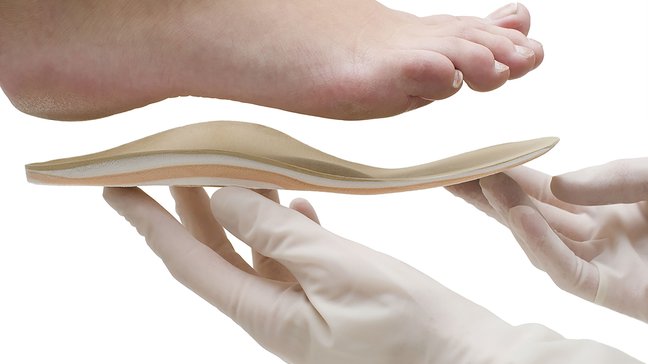
Orthopedic insoles
Orthopedic insoles are specially made or prefabricated shoe inserts that serve to support, relieve, and correct the feet and musculoskeletal system. They play an essential role in the treatment of foot problems, improving posture, and alleviating…
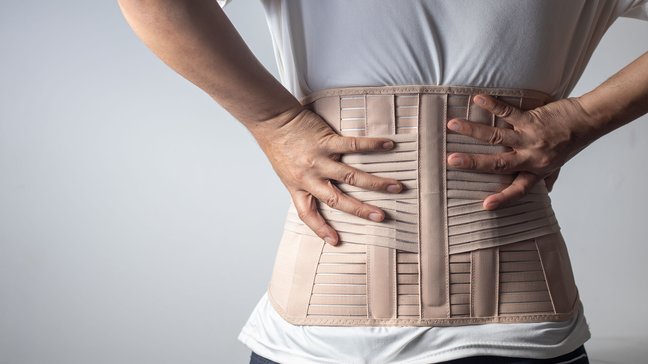
Corset
A corset, also referred to as an orthosis or support corset, is a medical device used to stabilize and support the back and spine. It is often used for the treatment and prevention of back problems and can help alleviate pain and improve mobility.…
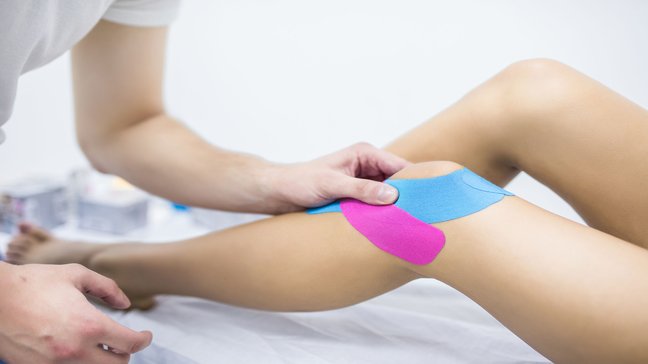
Kinesio Taping
Kinesio taping is a therapeutic method in which elastic, skin-friendly adhesive tapes are applied to specific areas of the body to relieve pain, support muscle and joint function, and promote circulation. This technique was developed by Dr. Kenzo…
Orthopedic aids
When are orthopedic aids used?
Orthopedic aids are used for various ailments and to support physical function, including:
- Joint problems: Arthritis, osteoarthritis, instabilities
- Back and spine problems: Scoliosis, herniated discs, chronic back pain
- Injuries: Ligament tears, bone fractures, muscle injuries
- Postoperative rehabilitation: After orthopedic surgeries or joint replacement
- Neurological disorders: Cerebral palsy, multiple sclerosis
- Misalignments: Clubfoot, flatfoot, other foot deformities
- Sports injuries: Overuse injuries, injury prevention
Advantages of orthopedic aids
- Pain relief: Effectively reduce pain by supporting and relieving the affected areas.
- Improvement of functionality: Support the mobility and stability of joints and muscles.
- Prevention: Prevent further damage and support healing.
- Individually tailored: Customized to the specific needs of the patient.
- Support of rehabilitation: Promote recovery and enable a quicker return to daily activities.
- Increased mobility: Help restore and maintain mobility.
Types of orthopedic aids
There is a variety of orthopedic aids that are used depending on specific needs and areas of application:
-
Knee braces:
- Application: For knee injuries, osteoarthritis, post-surgery
- Function: Stabilize the knee joint, reduce pain, and promote healing
-
Back braces:
- Application: For back pain, scoliosis, herniated discs
- Function: Relieve and stabilize the spine
-
Foot and ankle braces:
- Application: For flat feet, ankle injuries, post-surgery
- Function: Support and stabilize the foot and ankle
-
Hand and wrist braces:
- Application: For carpal tunnel syndrome, wrist injuries, arthritis
- Function: Stabilize the wrist and hand, reduce pain
-
Splints and bandages:
- Application: For injuries and overuse damage to joints and muscles
- Function: Provide compression, stability, and support
-
Orthopedic insoles:
- Application: For foot deformities, plantar fasciitis
- Function: Support the arch of the foot and improve foot function
Provision of orthopedic aids.
- Examination: The orthopedist conducts a thorough medical history and physical examination to determine the patient's exact needs.
- Adjustment: Orthoses and aids are individually adjusted to ensure optimal comfort and functionality.
- Instruction: The patient receives instructions on the correct use and care of the aids.
What you need to consider before being provided with orthopedic aids
- Health issues: Inform the orthopedist about existing health problems, especially skin issues or allergies.
- Medications: Inform the orthopedist about any medications you are taking that could affect the skin or healing processes.
- Activities: Discuss your daily activities and specific requirements so that the aids can be adjusted accordingly.
Debriefing and Consultation
After being provided with orthopedic aids, the orthopedist will discuss the results and your reaction to the treatment. The orthopedist will assess whether adjustments are necessary and how the aids can be integrated into the overall treatment plan. Additional recommendations may include physiotherapy measures, special exercises, or adjustments in daily life to support healing and pain relief.
Orthopedic custom-made shoes
Orthopedic custom-made shoes are individually crafted shoes tailored specifically to the needs of the patient. They provide optimal support and relief for people with foot deformities, chronic pain, or other orthopedic issues. Their custom fit…
Orthopedic insoles
Orthopedic insoles are specially made or prefabricated shoe inserts that serve to support, relieve, and correct the feet and musculoskeletal system. They play an essential role in the treatment of foot problems, improving posture, and alleviating…
Corset
A corset, also referred to as an orthosis or support corset, is a medical device used to stabilize and support the back and spine. It is often used for the treatment and prevention of back problems and can help alleviate pain and improve mobility.…
Kinesio Taping
Kinesio taping is a therapeutic method in which elastic, skin-friendly adhesive tapes are applied to specific areas of the body to relieve pain, support muscle and joint function, and promote circulation. This technique was developed by Dr. Kenzo…