

Neural therapy
When is neural therapy used?
Neural therapy is used for various complaints and conditions, including:
- Chronic pain (e.g., back pain, neck pain)
- Joint pain and arthritis
- Headaches and migraine
- Scar pain and interference fields
- Allergies and asthma
- Digestive problems
- Neurological disorders
- Menstrual problems
- Rehabilitation after injuries or surgeries
Advantages of Neural Therapy
- Pain relief: Effectively reduces chronic pain and muscle tension.
- Holistic effect: Considers the body as a whole and treats the causes of the ailments.
- Activation of self-healing powers: Promotes the body's natural healing.
- Low in side effects: Has fewer side effects compared to many medications.
- Individually tailored: The treatment is tailored to the patient's specific needs.
- Shortened healing times: Can shorten recovery time after injuries and surgeries.
Conducting the neural therapy
- Examination: The therapist takes a thorough medical history and performs a physical examination to identify the interference fields and pain points.
- Injections: Local anesthetics are injected in a targeted manner at specific points on the body, including scars, pain points, or trigger points.
- Duration of treatment: A session usually lasts between 15 and 30 minutes.
- Frequency of sessions: Depending on the type and severity of the complaints, multiple sessions may be required.
What you must consider before neural therapy
- Health problems: Inform the therapist about existing health problems, especially cardiovascular diseases or allergies to local anesthetics.
- Medications: Tell the therapist which medications you are taking, including blood thinners and dietary supplements.
- Allergies: Inform the therapist about known allergies to medications or local anesthetics.
- Preparation: No special preparations are required, but comfortable clothing that allows access to the injection sites is helpful.
Debriefing and consultation
After neural therapy, the therapist will discuss the results and your reaction to the treatment. The therapist will assess whether further sessions are necessary and how neural therapy can be integrated into the overall treatment plan. Additional recommendations may include physiotherapy measures, specific exercises, or adjustments in daily life to support healing and pain relief.
Dear patient!
Unfortunately, we are not currently offering therapy for this condition at our center. However, we warmly invite you to schedule an appointment so that we can assess your situation individually. Often, different therapeutic approaches are suitable for a specific situation. We will be happy to recommend, if necessary, a specialist physician or an appropriate center that can alternatively assist you directly.
Schedule an appointment

Orthotics/Assistive Devices Supply
Orthoses and other aids are important components of orthopedic care. They serve to support, stabilize, and correct the musculoskeletal system and joints. These aids can relieve pain, improve functionality, and support rehabilitation after injuries or…
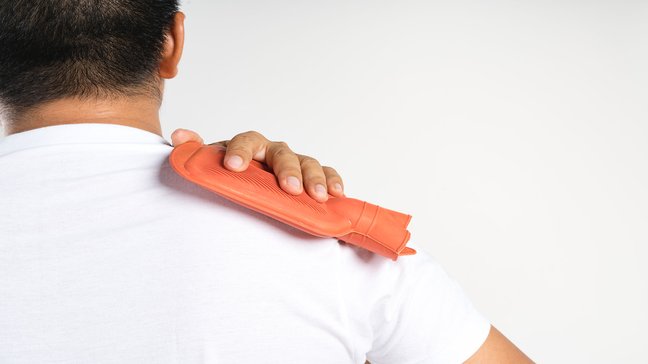
Home Remedies in Pain Therapy
Home remedies can be an effective and natural complement to conventional pain therapy. They offer simple and accessible ways to relieve pain and promote overall well-being. Here are some common home remedies and their applications in pain therapy.

Ultrasound-guided pain therapy
Ultrasound-guided pain therapy is a precise and effective treatment method for alleviating pain, using imaging techniques such as ultrasound to determine the exact position of the injection. This method is often used to treat chronic pain,…
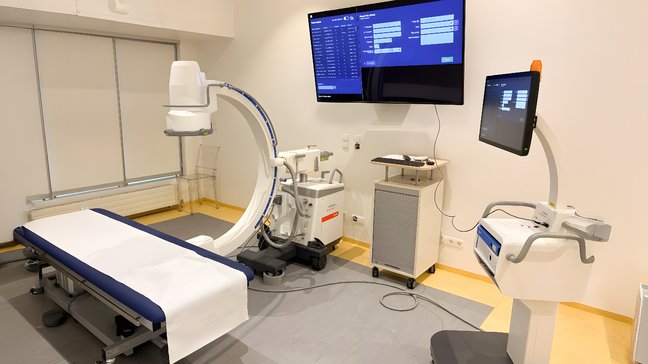
X-ray guided pain therapy
X-ray-guided pain therapy is a precise and effective treatment method for relieving pain. Imaging techniques such as X-rays are used to determine the exact location of the injection. This method is commonly used to treat chronic pain, particularly…
Neural therapy
When is neural therapy used?
Neural therapy is used for various complaints and conditions, including:
- Chronic pain (e.g., back pain, neck pain)
- Joint pain and arthritis
- Headaches and migraine
- Scar pain and interference fields
- Allergies and asthma
- Digestive problems
- Neurological disorders
- Menstrual problems
- Rehabilitation after injuries or surgeries
Advantages of Neural Therapy
- Pain relief: Effectively reduces chronic pain and muscle tension.
- Holistic effect: Considers the body as a whole and treats the causes of the ailments.
- Activation of self-healing powers: Promotes the body's natural healing.
- Low in side effects: Has fewer side effects compared to many medications.
- Individually tailored: The treatment is tailored to the patient's specific needs.
- Shortened healing times: Can shorten recovery time after injuries and surgeries.
Conducting the neural therapy
- Examination: The therapist takes a thorough medical history and performs a physical examination to identify the interference fields and pain points.
- Injections: Local anesthetics are injected in a targeted manner at specific points on the body, including scars, pain points, or trigger points.
- Duration of treatment: A session usually lasts between 15 and 30 minutes.
- Frequency of sessions: Depending on the type and severity of the complaints, multiple sessions may be required.
What you must consider before neural therapy
- Health problems: Inform the therapist about existing health problems, especially cardiovascular diseases or allergies to local anesthetics.
- Medications: Tell the therapist which medications you are taking, including blood thinners and dietary supplements.
- Allergies: Inform the therapist about known allergies to medications or local anesthetics.
- Preparation: No special preparations are required, but comfortable clothing that allows access to the injection sites is helpful.
Debriefing and consultation
After neural therapy, the therapist will discuss the results and your reaction to the treatment. The therapist will assess whether further sessions are necessary and how neural therapy can be integrated into the overall treatment plan. Additional recommendations may include physiotherapy measures, specific exercises, or adjustments in daily life to support healing and pain relief.
Dear patient!
Unfortunately, we are not currently offering therapy for this condition at our center. However, we warmly invite you to schedule an appointment so that we can assess your situation individually. Often, different therapeutic approaches are suitable for a specific situation. We will be happy to recommend, if necessary, a specialist physician or an appropriate center that can alternatively assist you directly.
Schedule an appointment
Orthotics/Assistive Devices Supply
Orthoses and other aids are important components of orthopedic care. They serve to support, stabilize, and correct the musculoskeletal system and joints. These aids can relieve pain, improve functionality, and support rehabilitation after injuries or…
Home Remedies in Pain Therapy
Home remedies can be an effective and natural complement to conventional pain therapy. They offer simple and accessible ways to relieve pain and promote overall well-being. Here are some common home remedies and their applications in pain therapy.
Ultrasound-guided pain therapy
Ultrasound-guided pain therapy is a precise and effective treatment method for alleviating pain, using imaging techniques such as ultrasound to determine the exact position of the injection. This method is often used to treat chronic pain,…
X-ray guided pain therapy
X-ray-guided pain therapy is a precise and effective treatment method for relieving pain. Imaging techniques such as X-rays are used to determine the exact location of the injection. This method is commonly used to treat chronic pain, particularly…