

Home Remedies in Pain Therapy
Why use home remedies in pain therapy?
Home remedies offer numerous advantages in pain management, including:
- Natural ingredients: Reduce the risk of side effects compared to synthetic medications.
- Availability: Are easily accessible and often cost-effective.
- Holistic approaches: Support overall well-being and can treat multiple symptoms simultaneously.
- Combinability: Can be used in conjunction with medical treatments.
Common home remedies for pain relief
Here are some proven home remedies that can be used to relieve pain:
-
Heat and cold applications:
- Heat: Hot water bottles, heating pads, or warm baths can relieve muscle tension and alleviate pain from arthritis.
- Cold: Ice packs or cold compresses help reduce swelling and inflammation after injuries.
-
Herbs and spices:
- Ginger: Has anti-inflammatory properties and can help with joint and muscle pain. Fresh ginger tea or ginger capsules are useful.
- Turmeric: Contains curcumin, which has anti-inflammatory effects and can be effective for chronic pain like arthritis.
-
Essential oils:
- Lavender oil: Soothing effect and can be used to relieve headaches and muscle pain.
- Peppermint oil: Cooling effect that helps with tension headaches and muscle pain.
-
Massage and stretching:
- Self-massage: Regular self-massage with or without massage devices can reduce muscle tension and pain.
- Stretching exercises: Regular stretching can improve flexibility and relieve pain in muscles and joints.
-
Nutrition and hydration:
- Antioxidant-rich diet: A diet rich in fruits, vegetables, and omega-3 fatty acids can reduce inflammation in the body.
- Adequate hydration: Hydration is important to support tissue health and relieve pain.
-
Relaxation techniques:
- Meditation and breathing exercises: Can help reduce stress and pain sensitivity.
- Yoga: Combination of stretching, strengthening, and breathing exercises that can reduce pain and stiffness.
Tips for Using Home Remedies
- Consistency: Regular application is often crucial for success.
- Combination: Home remedies can often be used in combination with medical treatments to achieve the best results.
- Individual Adaptation: Choose the home remedies that best suit your specific needs and preferences.
- Safety: Ensure that the chosen home remedies are safe and do not interact with existing medical treatments or medications.
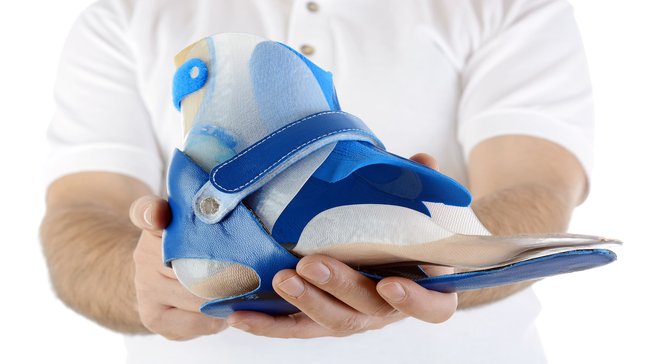
Orthotics/Assistive Devices Supply
Orthoses and other aids are important components of orthopedic care. They serve to support, stabilize, and correct the musculoskeletal system and joints. These aids can relieve pain, improve functionality, and support rehabilitation after injuries or…
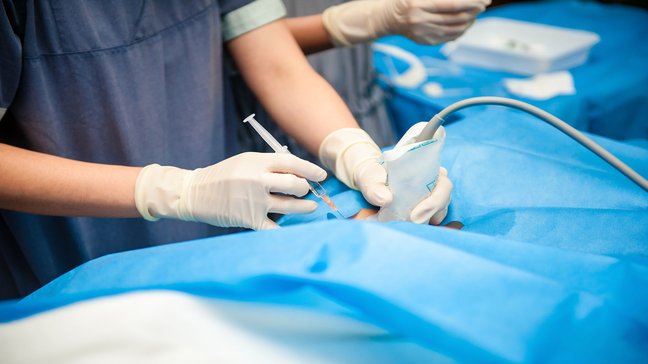
Ultrasound-guided pain therapy
Ultrasound-guided pain therapy is a precise and effective treatment method for alleviating pain, using imaging techniques such as ultrasound to determine the exact position of the injection. This method is often used to treat chronic pain,…
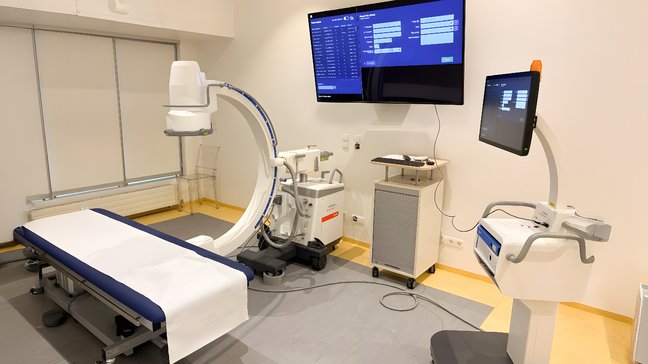
X-ray guided pain therapy
X-ray-guided pain therapy is a precise and effective treatment method for relieving pain. Imaging techniques such as X-rays are used to determine the exact location of the injection. This method is commonly used to treat chronic pain, particularly…
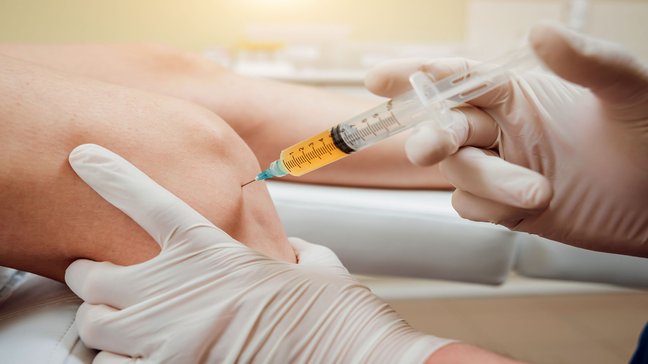
PRP therapy (autologous plasma)
PRP therapy (platelet-rich plasma) is an innovative treatment method that uses the patient's own blood to support healing processes in the body. The blood is processed to isolate the platelet-rich plasma, which is then injected into the affected…
Home Remedies in Pain Therapy
Why use home remedies in pain therapy?
Home remedies offer numerous advantages in pain management, including:
- Natural ingredients: Reduce the risk of side effects compared to synthetic medications.
- Availability: Are easily accessible and often cost-effective.
- Holistic approaches: Support overall well-being and can treat multiple symptoms simultaneously.
- Combinability: Can be used in conjunction with medical treatments.
Common home remedies for pain relief
Here are some proven home remedies that can be used to relieve pain:
-
Heat and cold applications:
- Heat: Hot water bottles, heating pads, or warm baths can relieve muscle tension and alleviate pain from arthritis.
- Cold: Ice packs or cold compresses help reduce swelling and inflammation after injuries.
-
Herbs and spices:
- Ginger: Has anti-inflammatory properties and can help with joint and muscle pain. Fresh ginger tea or ginger capsules are useful.
- Turmeric: Contains curcumin, which has anti-inflammatory effects and can be effective for chronic pain like arthritis.
-
Essential oils:
- Lavender oil: Soothing effect and can be used to relieve headaches and muscle pain.
- Peppermint oil: Cooling effect that helps with tension headaches and muscle pain.
-
Massage and stretching:
- Self-massage: Regular self-massage with or without massage devices can reduce muscle tension and pain.
- Stretching exercises: Regular stretching can improve flexibility and relieve pain in muscles and joints.
-
Nutrition and hydration:
- Antioxidant-rich diet: A diet rich in fruits, vegetables, and omega-3 fatty acids can reduce inflammation in the body.
- Adequate hydration: Hydration is important to support tissue health and relieve pain.
-
Relaxation techniques:
- Meditation and breathing exercises: Can help reduce stress and pain sensitivity.
- Yoga: Combination of stretching, strengthening, and breathing exercises that can reduce pain and stiffness.
Tips for Using Home Remedies
- Consistency: Regular application is often crucial for success.
- Combination: Home remedies can often be used in combination with medical treatments to achieve the best results.
- Individual Adaptation: Choose the home remedies that best suit your specific needs and preferences.
- Safety: Ensure that the chosen home remedies are safe and do not interact with existing medical treatments or medications.
Orthotics/Assistive Devices Supply
Orthoses and other aids are important components of orthopedic care. They serve to support, stabilize, and correct the musculoskeletal system and joints. These aids can relieve pain, improve functionality, and support rehabilitation after injuries or…
Ultrasound-guided pain therapy
Ultrasound-guided pain therapy is a precise and effective treatment method for alleviating pain, using imaging techniques such as ultrasound to determine the exact position of the injection. This method is often used to treat chronic pain,…
X-ray guided pain therapy
X-ray-guided pain therapy is a precise and effective treatment method for relieving pain. Imaging techniques such as X-rays are used to determine the exact location of the injection. This method is commonly used to treat chronic pain, particularly…
PRP therapy (autologous plasma)
PRP therapy (platelet-rich plasma) is an innovative treatment method that uses the patient's own blood to support healing processes in the body. The blood is processed to isolate the platelet-rich plasma, which is then injected into the affected…