

Ultrasound-guided pain therapy
When is ultrasound-guided pain therapy used?
The ultrasound-guided pain therapy is used for various complaints and conditions, including:
- Joint pain (e.g., shoulder, hip, knee)
- Tendonitis (e.g., tennis elbow, Achilles tendonitis)
- Bursitis
- Muscle tension and trigger points
- Nerve compression syndromes (e.g., carpal tunnel syndrome)
- Chronic pain syndromes
- Spinal complaints
Advantages of ultrasound-guided pain therapy
- Precise Pain Relief: Allows for accurate placement of the injection for targeted pain treatment.
- Rapid Effect: Often provides quick pain relief.
- Minimal Invasiveness: Reduces the need for surgical interventions.
- Imaging Support: Increases the accuracy and safety of the injection through the use of ultrasound.
- Long-lasting Effect: Can offer long-lasting pain relief.
- Individually Tailored: The treatment is tailored to the specific needs of the patient.
Implementation of ultrasound-guided pain therapy
- Examination: The doctor conducts a thorough medical history and physical examination to determine the exact location of the complaints.
- Preparation: The area to be treated is disinfected and locally anesthetized.
- Imaging: Ultrasound is used to determine the exact position of the injection.
- Injection: A mixture of local anesthetics and anti-inflammatory drugs (e.g., corticosteroids) is injected directly into the affected area.
- Duration of treatment: A session usually lasts between 30 and 60 minutes.
- Frequency of sessions: Depending on the type and severity of the complaints, several sessions may be necessary.
What you need to consider before ultrasound-guided pain therapy
- Health issues: Inform the doctor about existing health issues, especially blood clotting disorders or allergies.
- Medications: Inform the doctor about any medications you are taking, including blood thinners.
- Allergies: Inform the doctor about known allergies to local anesthetics or other medications used.
- Preparation: No special preparations are required, but comfortable clothing that allows access to the treated area is helpful.
Debriefing and Consultation
After the ultrasound-guided pain therapy, the doctor will discuss the results and your response to the treatment. The doctor will assess whether further injections or additional therapies are necessary. Additional recommendations may include physiotherapeutic measures, specific exercises, or adjustments in daily life to support healing and pain relief.
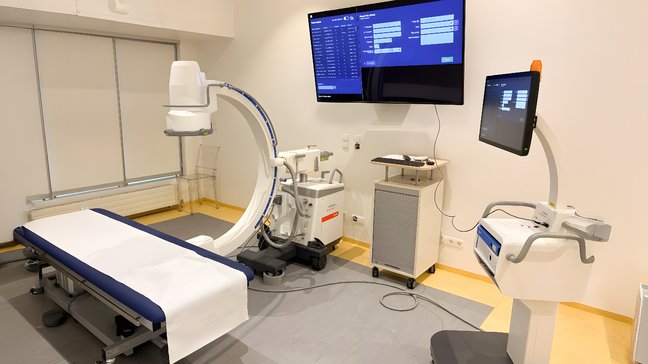
X-ray guided pain therapy
X-ray-guided pain therapy is a precise and effective treatment method for relieving pain. Imaging techniques such as X-rays are used to determine the exact location of the injection. This method is commonly used to treat chronic pain, particularly…
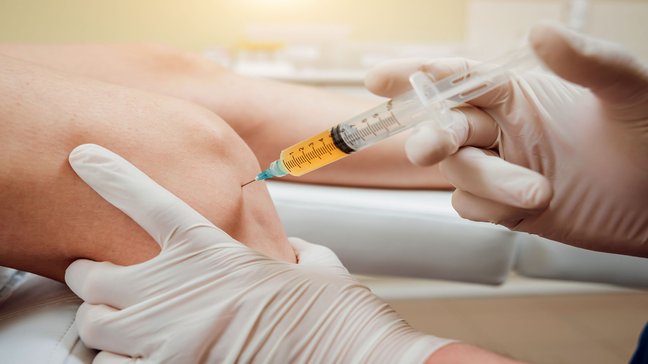
PRP therapy (autologous plasma)
PRP therapy (platelet-rich plasma) is an innovative treatment method that uses the patient's own blood to support healing processes in the body. The blood is processed to isolate the platelet-rich plasma, which is then injected into the affected…
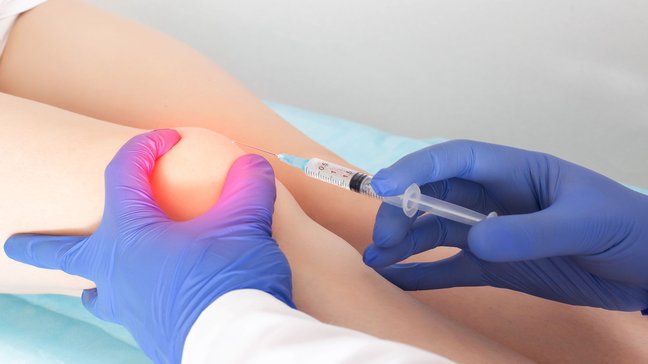
Hyaluronic Acid Therapy
Hyaluronic acid therapy is a treatment method in which hyaluronic acid is directly injected into the joint to relieve pain and improve joint function. Hyaluronic acid is a natural component of joint fluid and contributes to the lubrication and shock…
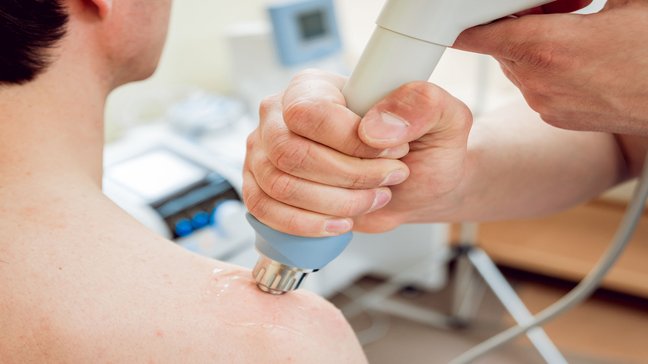
Shock wave therapy
Shock wave therapy is a non-invasive treatment method in which high-energy sound waves (shock waves) are directed at the affected tissue to relieve pain and promote healing. This method is often used in orthopedics and sports medicine to treat…
Ultrasound-guided pain therapy
When is ultrasound-guided pain therapy used?
The ultrasound-guided pain therapy is used for various complaints and conditions, including:
- Joint pain (e.g., shoulder, hip, knee)
- Tendonitis (e.g., tennis elbow, Achilles tendonitis)
- Bursitis
- Muscle tension and trigger points
- Nerve compression syndromes (e.g., carpal tunnel syndrome)
- Chronic pain syndromes
- Spinal complaints
Advantages of ultrasound-guided pain therapy
- Precise Pain Relief: Allows for accurate placement of the injection for targeted pain treatment.
- Rapid Effect: Often provides quick pain relief.
- Minimal Invasiveness: Reduces the need for surgical interventions.
- Imaging Support: Increases the accuracy and safety of the injection through the use of ultrasound.
- Long-lasting Effect: Can offer long-lasting pain relief.
- Individually Tailored: The treatment is tailored to the specific needs of the patient.
Implementation of ultrasound-guided pain therapy
- Examination: The doctor conducts a thorough medical history and physical examination to determine the exact location of the complaints.
- Preparation: The area to be treated is disinfected and locally anesthetized.
- Imaging: Ultrasound is used to determine the exact position of the injection.
- Injection: A mixture of local anesthetics and anti-inflammatory drugs (e.g., corticosteroids) is injected directly into the affected area.
- Duration of treatment: A session usually lasts between 30 and 60 minutes.
- Frequency of sessions: Depending on the type and severity of the complaints, several sessions may be necessary.
What you need to consider before ultrasound-guided pain therapy
- Health issues: Inform the doctor about existing health issues, especially blood clotting disorders or allergies.
- Medications: Inform the doctor about any medications you are taking, including blood thinners.
- Allergies: Inform the doctor about known allergies to local anesthetics or other medications used.
- Preparation: No special preparations are required, but comfortable clothing that allows access to the treated area is helpful.
Debriefing and Consultation
After the ultrasound-guided pain therapy, the doctor will discuss the results and your response to the treatment. The doctor will assess whether further injections or additional therapies are necessary. Additional recommendations may include physiotherapeutic measures, specific exercises, or adjustments in daily life to support healing and pain relief.
X-ray guided pain therapy
X-ray-guided pain therapy is a precise and effective treatment method for relieving pain. Imaging techniques such as X-rays are used to determine the exact location of the injection. This method is commonly used to treat chronic pain, particularly…
PRP therapy (autologous plasma)
PRP therapy (platelet-rich plasma) is an innovative treatment method that uses the patient's own blood to support healing processes in the body. The blood is processed to isolate the platelet-rich plasma, which is then injected into the affected…
Hyaluronic Acid Therapy
Hyaluronic acid therapy is a treatment method in which hyaluronic acid is directly injected into the joint to relieve pain and improve joint function. Hyaluronic acid is a natural component of joint fluid and contributes to the lubrication and shock…
Shock wave therapy
Shock wave therapy is a non-invasive treatment method in which high-energy sound waves (shock waves) are directed at the affected tissue to relieve pain and promote healing. This method is often used in orthopedics and sports medicine to treat…