

Adductor strain
Classification of Adductor Strains
Adductor strains can be divided into different degrees of severity:
Grade I (mild strain): Slight overstretching of the muscle fibers without structural damage. Mild pain occurs under stress, mobility is hardly restricted.
Grade II (moderate strain): Partial tearing of the muscle fibers. Moderate pain both at rest and during movement, swelling and bruising may occur. Mobility is significantly restricted.
Grade III (severe strain): Complete tear of the muscle fibers. Severe pain, significant swelling, and bruising are typical. Normal movement of the leg is no longer possible.
Causes of adductor strain
The main causes of adductor strains can be divided into several categories:
- Sudden movements: Quick lateral movements or abrupt braking, as often seen in soccer, ice hockey, or tennis, can lead to overstretching of the adductors.
- Inadequate warm-up: Missing or insufficient warm-up before sports increases the risk of muscle strain, as the muscles are not optimally prepared for the exertion.
- Muscle imbalances: An imbalance between the adductors and their antagonists, the abductors, can increase the strain on the adductors and thus raise the risk of injury.
- Fatigue: Exhausted muscles lose tension and coordination, increasing the risk of injuries.
- Previous injuries: Previous strains or injuries to the adductors increase the susceptibility to recurrent injuries in this area.
Symptoms of adductor strain
The symptoms vary depending on the severity of the injury, but often include:
- **Pain:** Acute, sharp pain on the inside of the thigh that becomes more intense with movement.
- **Swelling and bruising:** Swelling and visible bruising may occur in the affected region.
- **Movement restrictions:** Difficulty bringing the legs together or with movements that engage the adductors.
- **Muscle hardening:** A feeling of tension or hardening of the affected muscles.
- **Tenderness:** Pain when pressure is applied to the affected area.
Diagnosis of adductor strain
The diagnosis is made through a combination of medical history, physical examination, and, if necessary, imaging techniques:
-
Medical history: Recording the accident details, symptoms, and the patient's sports activities.
-
Physical examination: Palpation of the affected muscles to identify pain points, swelling, or hematomas. Assessment of mobility and muscle strength.
-
Imaging techniques: In case of suspected more severe injuries, ultrasound or MRI may be used to determine the extent of muscle damage.
Treatment options for adductor strain
Conservative Therapy
Most adductor strains can be treated without surgery:
- RICE Rule:
- Rest: Immediate cessation of the stressful activity to avoid further damage.
- Ice: Cooling the affected area with ice packs for 15–20 minutes every 2–3 hours to reduce swelling and pain.
- Compression: Applying an elastic bandage to minimize swelling.
- Elevation: Elevating the leg above heart level to reduce swelling.
- Pain Medication: Taking anti-inflammatory painkillers as directed by a doctor to relieve pain and inflammation.
- Physical Therapy:
- Stretching Exercises: To promote flexibility and mobility.
- Strengthening Exercises: To restore muscle strength and prevent further injuries.
- Electrotherapy: Use of ultrasound or electrotherapy to promote healing and pain relief.
Surgical Therapy
In cases of complete muscle tears or persistent discomfort despite conservative treatment, surgical intervention may be considered:
- Surgical Repair: Restoration of torn muscle fibers or tendon attachments through surgical measures.
- Postoperative Rehabilitation: Intensive physiotherapy program to restore functionality and prevent complications.
Preventive measures for adductor strain
To prevent adductor strains, the following measures are recommended:
- Adequate warm-up: Before physical activity, to optimally prepare the muscles.
- Strengthening the adductors: Regular exercises to stabilize the muscles.
- Stretching: Targeted stretching of the adductors to improve flexibility.
- Avoiding overuse: Planning recovery phases between intense training sessions.
- Regular muscle training: Building muscular balance between adductors and abductors.

Iliopsoas shortening
The iliopsoas shortening describes a shortening of the iliopsoas muscle, which consists of the psoas major muscle and the iliacus muscle. This muscle complex is the main flexor of the hip joint and plays an important role in stabilizing the spine. A…
Coccygodynia/tailbone pain
Coccygodynia, also known as tailbone pain, refers to chronic pain in the area of the coccyx (os coccygis). These complaints often occur when sitting, during bowel movements, or during physical activities and can significantly affect the quality of…
Symphysitis
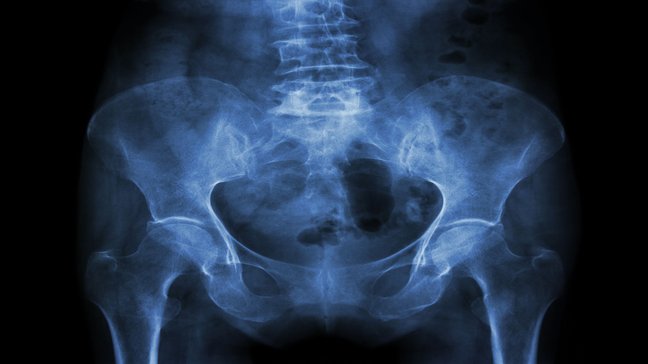
Symphysitis is an inflammatory condition of the pubic symphysis, causing pain and movement restrictions in the pelvic area. The symphysis is a cartilaginous joint between the two pubic bones, allowing for stability and flexibility of the pelvis.…

Piriformis syndrome
Piriformis syndrome is a neuromuscular disorder in which the piriformis muscle, a small, pear-shaped muscle in the buttock region, irritates or compresses the sciatic nerve. This irritation leads to pain that often radiates into the buttocks and the…
Adductor strain
Classification of Adductor Strains
Adductor strains can be divided into different degrees of severity:
Grade I (mild strain): Slight overstretching of the muscle fibers without structural damage. Mild pain occurs under stress, mobility is hardly restricted.
Grade II (moderate strain): Partial tearing of the muscle fibers. Moderate pain both at rest and during movement, swelling and bruising may occur. Mobility is significantly restricted.
Grade III (severe strain): Complete tear of the muscle fibers. Severe pain, significant swelling, and bruising are typical. Normal movement of the leg is no longer possible.
Causes of adductor strain
The main causes of adductor strains can be divided into several categories:
- Sudden movements: Quick lateral movements or abrupt braking, as often seen in soccer, ice hockey, or tennis, can lead to overstretching of the adductors.
- Inadequate warm-up: Missing or insufficient warm-up before sports increases the risk of muscle strain, as the muscles are not optimally prepared for the exertion.
- Muscle imbalances: An imbalance between the adductors and their antagonists, the abductors, can increase the strain on the adductors and thus raise the risk of injury.
- Fatigue: Exhausted muscles lose tension and coordination, increasing the risk of injuries.
- Previous injuries: Previous strains or injuries to the adductors increase the susceptibility to recurrent injuries in this area.
Symptoms of adductor strain
The symptoms vary depending on the severity of the injury, but often include:
- **Pain:** Acute, sharp pain on the inside of the thigh that becomes more intense with movement.
- **Swelling and bruising:** Swelling and visible bruising may occur in the affected region.
- **Movement restrictions:** Difficulty bringing the legs together or with movements that engage the adductors.
- **Muscle hardening:** A feeling of tension or hardening of the affected muscles.
- **Tenderness:** Pain when pressure is applied to the affected area.
Diagnosis of adductor strain
The diagnosis is made through a combination of medical history, physical examination, and, if necessary, imaging techniques:
-
Medical history: Recording the accident details, symptoms, and the patient's sports activities.
-
Physical examination: Palpation of the affected muscles to identify pain points, swelling, or hematomas. Assessment of mobility and muscle strength.
-
Imaging techniques: In case of suspected more severe injuries, ultrasound or MRI may be used to determine the extent of muscle damage.
Treatment options for adductor strain
Conservative Therapy
Most adductor strains can be treated without surgery:
- RICE Rule:
- Rest: Immediate cessation of the stressful activity to avoid further damage.
- Ice: Cooling the affected area with ice packs for 15–20 minutes every 2–3 hours to reduce swelling and pain.
- Compression: Applying an elastic bandage to minimize swelling.
- Elevation: Elevating the leg above heart level to reduce swelling.
- Pain Medication: Taking anti-inflammatory painkillers as directed by a doctor to relieve pain and inflammation.
- Physical Therapy:
- Stretching Exercises: To promote flexibility and mobility.
- Strengthening Exercises: To restore muscle strength and prevent further injuries.
- Electrotherapy: Use of ultrasound or electrotherapy to promote healing and pain relief.
Surgical Therapy
In cases of complete muscle tears or persistent discomfort despite conservative treatment, surgical intervention may be considered:
- Surgical Repair: Restoration of torn muscle fibers or tendon attachments through surgical measures.
- Postoperative Rehabilitation: Intensive physiotherapy program to restore functionality and prevent complications.
Preventive measures for adductor strain
To prevent adductor strains, the following measures are recommended:
- Adequate warm-up: Before physical activity, to optimally prepare the muscles.
- Strengthening the adductors: Regular exercises to stabilize the muscles.
- Stretching: Targeted stretching of the adductors to improve flexibility.
- Avoiding overuse: Planning recovery phases between intense training sessions.
- Regular muscle training: Building muscular balance between adductors and abductors.
Iliopsoas shortening
The iliopsoas shortening describes a shortening of the iliopsoas muscle, which consists of the psoas major muscle and the iliacus muscle. This muscle complex is the main flexor of the hip joint and plays an important role in stabilizing the spine. A…
Coccygodynia/tailbone pain
Coccygodynia, also known as tailbone pain, refers to chronic pain in the area of the coccyx (os coccygis). These complaints often occur when sitting, during bowel movements, or during physical activities and can significantly affect the quality of…
Symphysitis
Symphysitis is an inflammatory condition of the pubic symphysis, causing pain and movement restrictions in the pelvic area. The symphysis is a cartilaginous joint between the two pubic bones, allowing for stability and flexibility of the pelvis.…
Piriformis syndrome
Piriformis syndrome is a neuromuscular disorder in which the piriformis muscle, a small, pear-shaped muscle in the buttock region, irritates or compresses the sciatic nerve. This irritation leads to pain that often radiates into the buttocks and the…