
Orthopedic Lexicon
This orthopedic guide provides you with concise and easy-to-understand information on orthopedic conditions, examinations, and therapies—from the foot and ankle through the knee and hip to the spine.
Use these filters to quickly look up, by body region and topic area, those articles that match your current symptoms. For an individual assessment and therapy planning, please schedule a personal appointment with us at the Orthopädiezentrum Wien.
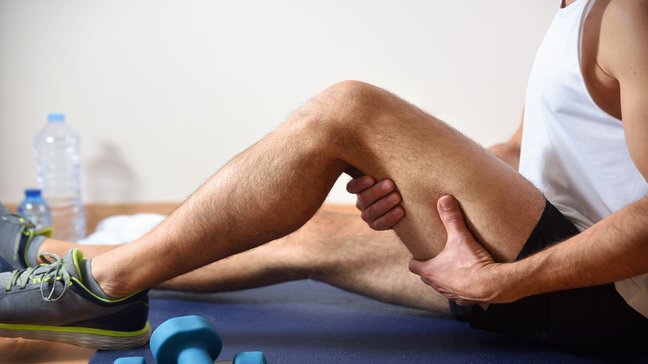
Adductor strain
An adductor strain is a common sports injury caused by overstretching or overloading the adductor muscles on the inner thigh. This muscle group is responsible for bringing the leg toward the body's midline and plays a crucial role in movements such…

Athlete's Groin
The sports hernia, also known as a groin strain or inguinal stress syndrome, is a common injury in the groin area, particularly occurring in athletes. It is characterized by chronic pain in the groin region, caused by repeated stress, overuse, or…
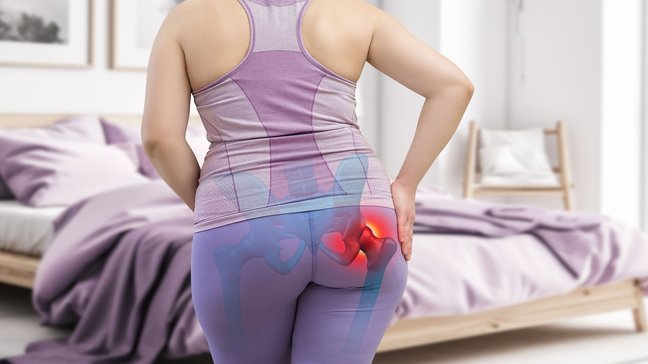
Avascular necrosis of the femoral head
Avascular necrosis of the hip, medically also referred to as femoral head necrosis, describes the death of bone tissue in the femoral head due to impaired blood supply. This condition often occurs between the ages of 30 and 50 and affects men more…
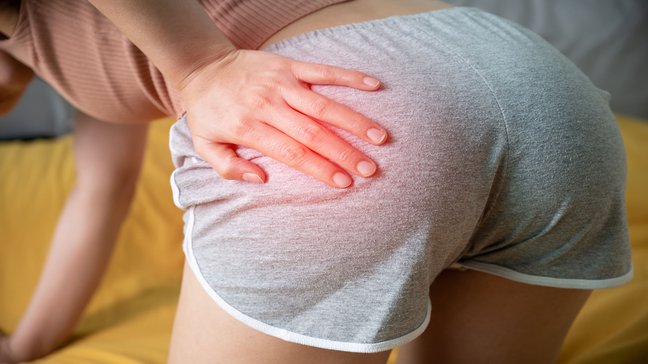
Bursitis (trochanteric bursitis)
Trochanteric bursitis, also known as hip bursitis, is a painful inflammation of the trochanteric bursa, located at the outer bony prominence of the femur (greater trochanter). This bursa reduces friction between the muscles and tendons that run over…
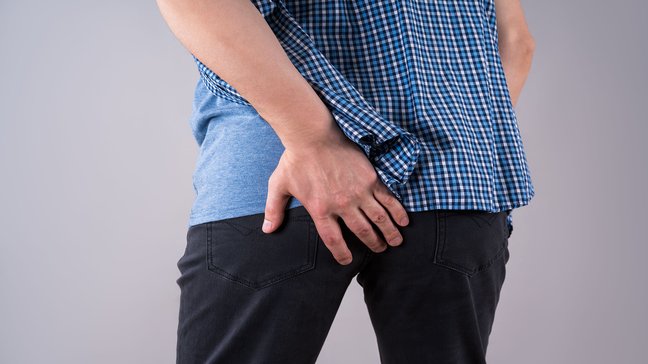
Coccygodynia/tailbone pain
Coccygodynia, also known as tailbone pain, refers to chronic pain in the area of the coccyx (os coccygis). These complaints often occur when sitting, during bowel movements, or during physical activities and can significantly affect the quality of…

Epiphysiolysis of the femoral head
Epiphysiolysis capitis femoris (ECF), also referred to as juvenile femoral head slippage, is an orthopedic condition in which the femoral head slips along the growth plate (epiphyseal plate) of the femur. This condition typically occurs in…
Glutealgia
Glutealgia, or buttock pain, is a symptom that can be caused by various factors. The pain is usually localized in the buttock area but can also radiate to the lower back, hip, or legs. Glutealgia significantly affects mobility and quality of life,…
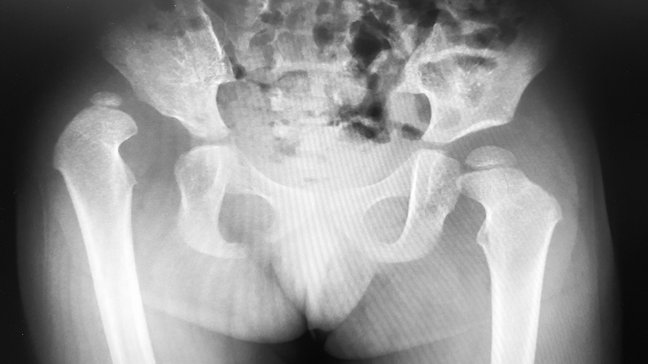
Hip dysplasia
Hip dysplasia, also referred to as hip joint dysplasia, is a congenital or acquired malformation of the hip joint. The hip socket (acetabulum) is insufficiently developed, which leads to the femoral head (caput femoris) not sitting optimally in the…
Hip joint inflammation (Coxitis)
Inflammation of the hip joint, medically referred to as coxitis, is an inflammation of the hip joint that can have both infectious and non-infectious causes. It typically manifests as pain in the groin area, restricted movement, and a protective…

Hip osteoarthritis (coxarthrosis)
Hip osteoarthritis can cause pain, stiffness, and increasing limitations when walking, climbing stairs, or getting up. An individually tailored treatment can help relieve symptoms and maintain mobility in everyday life for as long as possible.
Hip pain
Hip pain is a common symptom that can affect people of all ages. The pain can occur in the groin area, buttocks, or the outside of the thigh and can be both acute and chronic. It often impairs the mobility and quality of life of those affected.
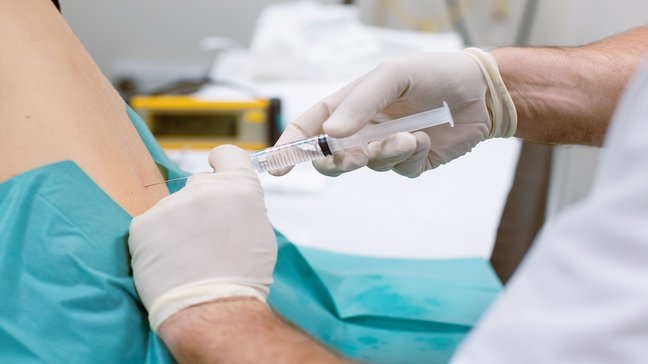
Hyaluronic acid at the hip
In hyaluronic acid therapy for the hip, hyaluronic acid is injected directly into the hip joint. Whether the treatment is an option in an individual case is decided after an orthopedic examination and an individualized consultation.
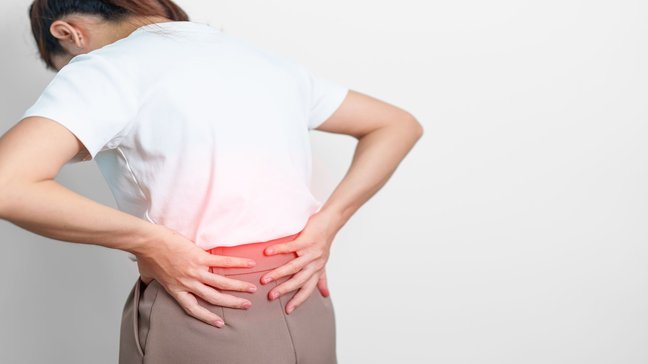
Iliopsoas shortening
The iliopsoas shortening describes a shortening of the iliopsoas muscle, which consists of the psoas major muscle and the iliacus muscle. This muscle complex is the main flexor of the hip joint and plays an important role in stabilizing the spine. A…
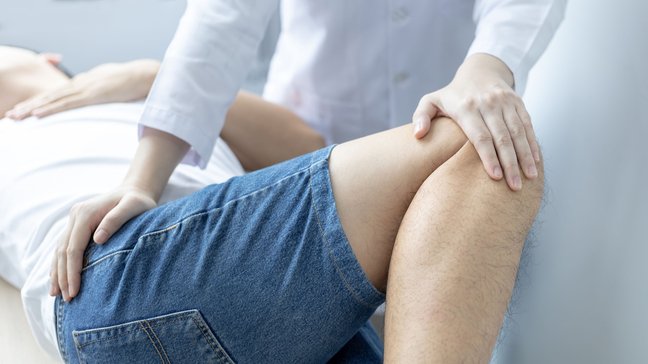
Labral tear of the hip
A labral tear of the hip refers to damage or injury to the acetabular labrum, a cartilage-like structure that surrounds the hip socket. The labrum stabilizes the hip joint by increasing the contact area between the socket and the head while…

Loose bodies
Loose bodies, also known as joint mice or corpora libera, are freely movable structures in the joint cavity that consist of cartilage, bone, or soft tissue. They usually arise from injuries, degenerative processes, or inflammatory diseases and can…
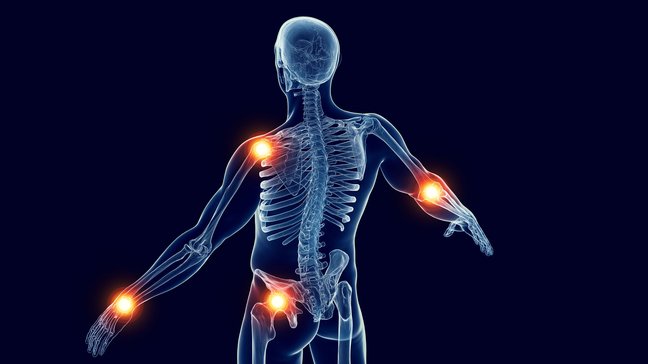
Osteonecrosis in childhood
Osteonecroses in childhood are conditions in which there is a localized blood flow disorder in the bone, leading to the death of the affected tissue. These disorders often occur at the growth zones (epiphyses) and are typically associated with pain,…
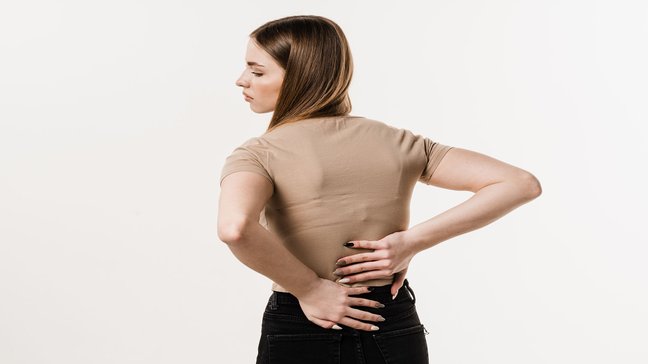
Pelvic tilt
A pelvic tilt is present when the pelvis is tilted horizontally. This misalignment is often caused by a leg length discrepancy, where the lengths of the legs are different. The pelvic tilt and leg length discrepancy can lead to uneven posture, joint…
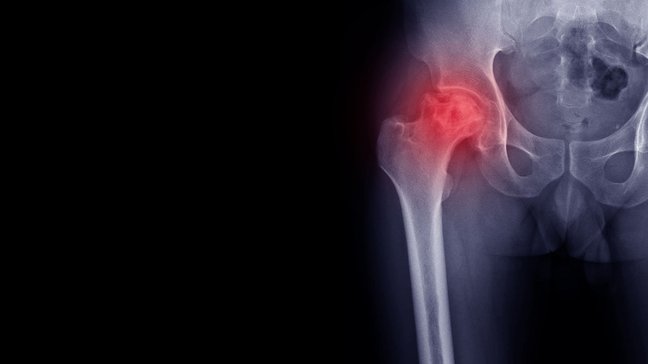
Perthes disease
Morbus Perthes, also known as Perthes disease, is a rare disorder of the hip joint in children. It arises from a temporary interruption of the blood supply to the femoral head, which leads to the death of bone tissue (aseptic necrosis of the femoral…

Piriformis syndrome
Piriformis syndrome is a neuromuscular disorder in which the piriformis muscle, a small, pear-shaped muscle in the buttock region, irritates or compresses the sciatic nerve. This irritation leads to pain that often radiates into the buttocks and the…
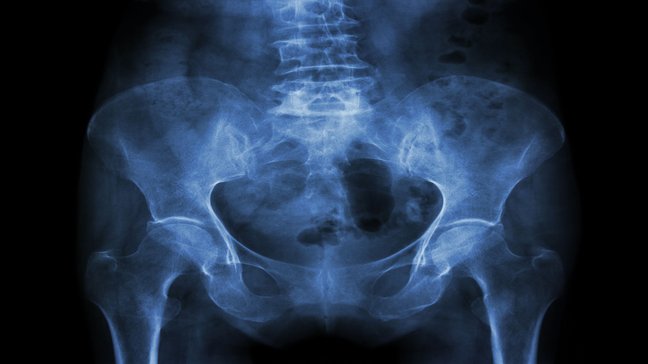
Symphysitis
Symphysitis is an inflammatory condition of the pubic symphysis, causing pain and movement restrictions in the pelvic area. The symphysis is a cartilaginous joint between the two pubic bones, allowing for stability and flexibility of the pelvis.…
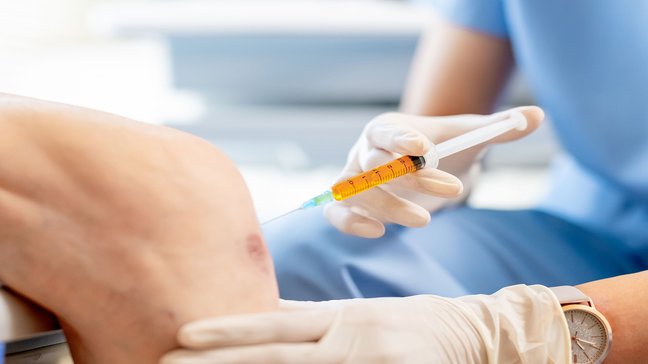
Therapy for arthrosis
Arthrosis therapy includes a range of treatment approaches to alleviate symptoms and slow the progression of osteoarthritis. It is a degenerative joint disease characterized by the breakdown of cartilage tissue in the joints. The treatment aims to…
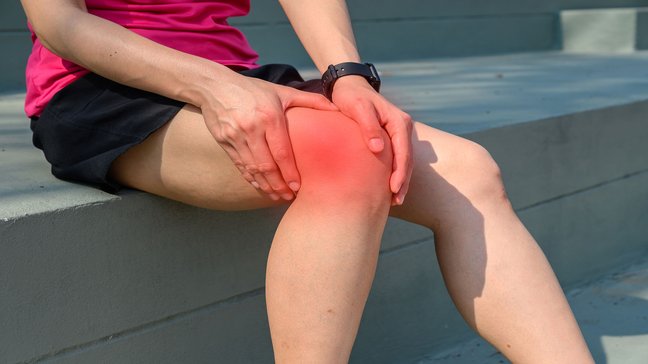
Tract syndrome
The tractus syndrome, also known as iliotibial band syndrome (ITBS), is a common overuse injury where the iliotibial band (tractus iliotibialis) becomes irritated due to repeated mechanical friction. This friction usually occurs in the area of the…

Transient synovitis
Transient synovitis of the hip, medically referred to as Coxitis fugax, is a temporary, non-bacterial inflammation of the hip joint. This condition primarily affects children between the ages of three and ten, with boys being more frequently affected…