
Pediatric orthopedics: Health and development of the musculoskeletal system
Pediatric orthopedics is concerned with the diagnosis and treatment of diseases, malalignments, and injuries of the musculoskeletal system in childhood and adolescence. Because bones, joints, muscles, and tendons are still growing, diagnostics and therapy differ significantly from adult orthopedics.
Common reasons for a pediatric orthopedic evaluation include malalignments of the feet or legs, gait abnormalities, postural weaknesses, back pain, growing pains, or symptoms following injuries. Early examination helps to identify changes requiring treatment in good time and to avoid unnecessary therapies. Depending on the findings, observation, exercise therapy, and orthotic insoles may be sufficient; in certain cases, further examinations or specialized treatments are required.
In the following overview you will find reliable information on common pediatric orthopedic complaints, malalignments, and injuries. The articles explain possible causes, typical symptoms, examinations, and treatment approaches for children and adolescents.
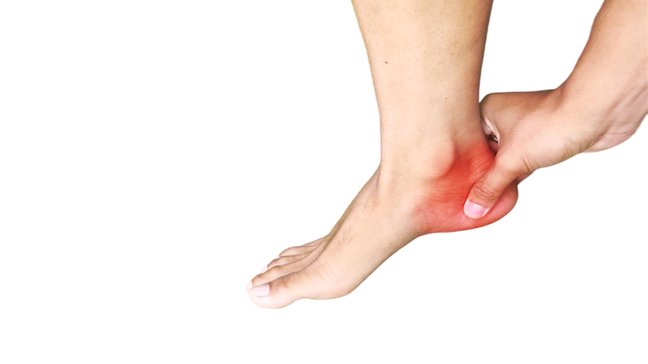
Calcaneal apophysitis
Apophysitis calcanei, also known as Sever’s disease, is an inflammatory condition of the growth plate (apophysis) of the heel bone. It occurs predominantly in children and adolescents aged 8 to 16 years, especially during growth phases. Those…
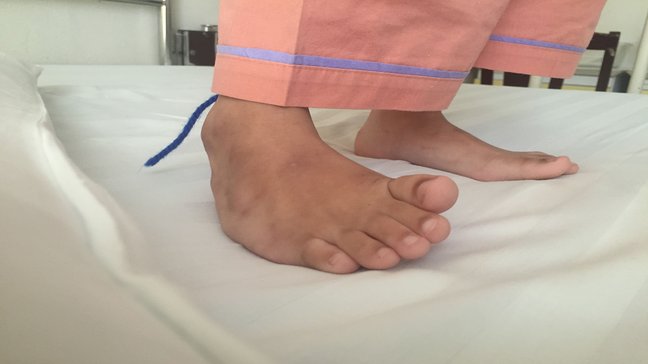
Clubfoot (Pes Equinovarus)
Clubfoot (Pes equinovarus) is a complex congenital foot deformity that occurs in about 1 in 1,000 newborns worldwide. Boys are more frequently affected than girls, and in about 50% of cases, the clubfoot is bilateral. This deformity, which can lead…

Deformidades del pie.
Foot deformities are deviations from the normal shape or function of the foot, which can be either congenital or acquired. They often lead to uneven stress on the musculoskeletal system and can cause long-term pain and mobility restrictions. Foot…
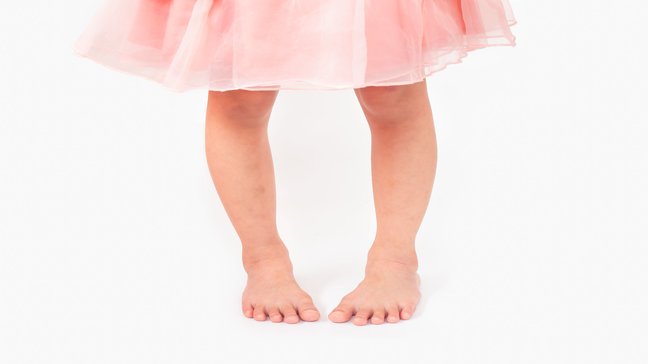
Desalineaciones en niños
Misalignments of the legs, such as knock-knees (genu valgum) and bowlegs (genu varum), are common observations in children. These deviations from the normal leg axis can be both physiological and pathological and affect the development and mobility…

Developmental monitoring in childhood
Orthopedic developmental monitoring helps to regularly check the growth and physical development of children. The goal is to detect possible postural problems or abnormalities of the musculoskeletal system at an early stage and, if necessary, to…

Epiphysiolysis of the femoral head
Epiphysiolysis capitis femoris (ECF), also referred to as juvenile femoral head slippage, is an orthopedic condition in which the femoral head slips along the growth plate (epiphyseal plate) of the femur. This condition typically occurs in…
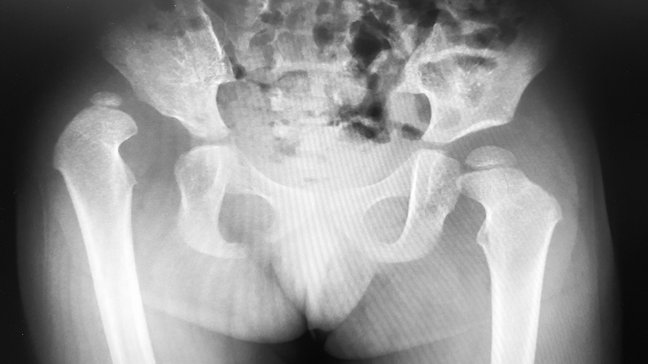
Hip dysplasia
Hip dysplasia, also referred to as hip joint dysplasia, is a congenital or acquired malformation of the hip joint. The hip socket (acetabulum) is insufficiently developed, which leads to the femoral head (caput femoris) not sitting optimally in the…

Infant hip ultrasound
The development of the hip is not yet complete at birth. In about four percent of newborns, there may be a maturation disorder of the hip in which the hip socket is formed too small, so that the femoral head is only inadequately covered. Or the…
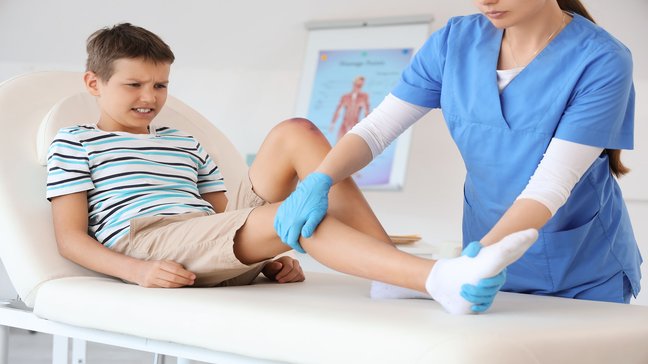
Juvenile Arthritis
Juvenile arthritis, medically referred to as juvenile idiopathic arthritis (JIA), is a chronic inflammatory joint disease that occurs in children and adolescents under 16 years of age. It is the most common rheumatic disease in this age group and can…
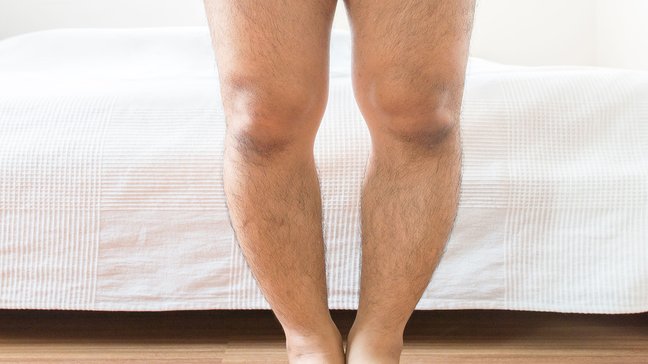
Leg misalignments: knock-knee and bow-leg
X-legs (genu valgum) and O-legs (genu varum) are misalignments of the leg axis that can lead to uneven stress on the joints. These misalignments primarily affect the knee joint and can cause long-term pain, wear and tear, and restricted mobility.
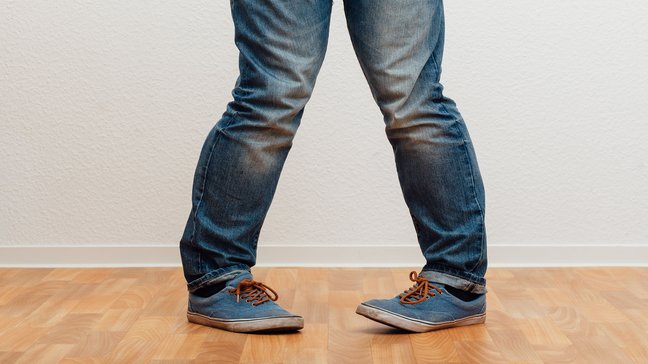
Misalignments of the leg axes
Misalignments of the leg axes are deviations from the normal alignment of the lower limbs. They can significantly affect the way weight is distributed across the joints, potentially leading to pain, reduced mobility, and long-term damage,…
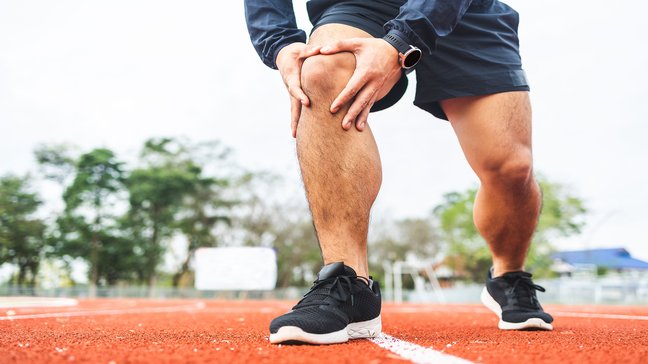
Osgood-Schlatter disease
Osgood-Schlatter disease is a common condition in adolescents caused by overuse of the shinbone at the site of the patellar tendon attachment. It is classified as a growth disorder (osteochondrosis) and primarily affects physically active children…
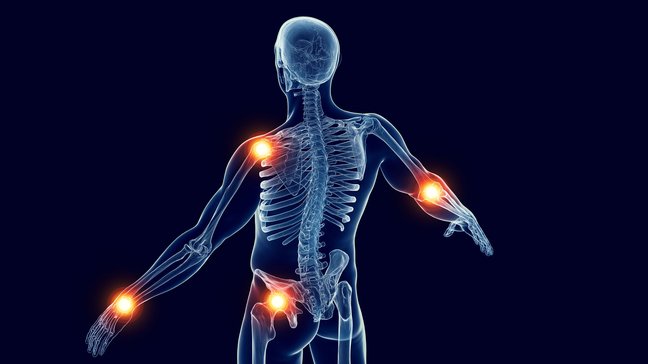
Osteonecrosis in childhood
Osteonecroses in childhood are conditions in which there is a localized blood flow disorder in the bone, leading to the death of the affected tissue. These disorders often occur at the growth zones (epiphyses) and are typically associated with pain,…
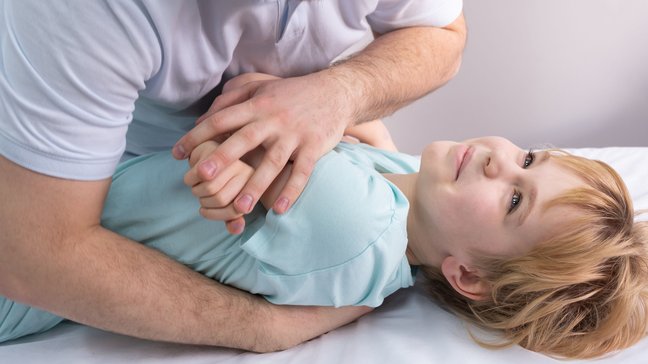
Pediatric orthopedics
Pediatric orthopedics is a specialized area of orthopedics that deals with the diagnosis, treatment, and prevention of diseases and deformities of the musculoskeletal system in children and adolescents. This discipline takes into account the special…
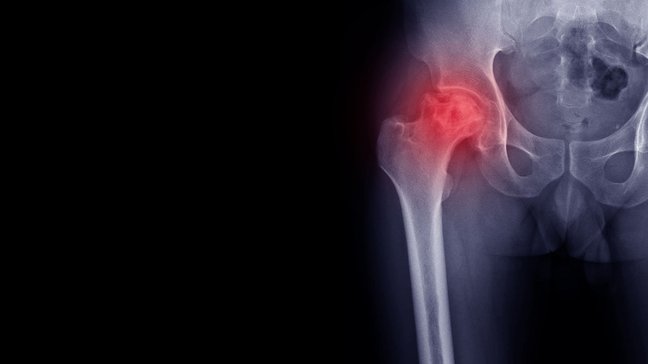
Perthes disease
Morbus Perthes, also known as Perthes disease, is a rare disorder of the hip joint in children. It arises from a temporary interruption of the blood supply to the femoral head, which leads to the death of bone tissue (aseptic necrosis of the femoral…
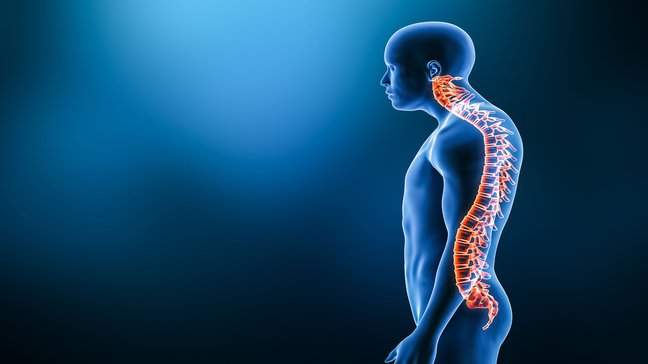
Scheuermann's disease
Morbus Scheuermann, auch als Scheuermann-Krankheit bezeichnet, ist eine Wachstumsstörung der Wirbelsäule, die vor allem bei Jugendlichen während der Wachstumsphase auftritt. Die Erkrankung führt zu einer vermehrten Krümmung der Brustwirbelsäule…

Transient synovitis
Transient synovitis of the hip, medically referred to as Coxitis fugax, is a temporary, non-bacterial inflammation of the hip joint. This condition primarily affects children between the ages of three and ten, with boys being more frequently affected…