

Pediatric orthopedics
When is pediatric orthopedics used?
Paediatric orthopaedics is used for various complaints and conditions, including:
- Congenital malformations (e.g. clubfoot, hip dysplasia)
- Growth disorders
- Scoliosis and other spinal deformities
- Sports injuries
- Gait disorders and posture problems
- Fractures and injuries
- Neuromuscular diseases (e.g. cerebral palsy)
Advantages of Pediatric Orthopedics
- Early detection and treatment: Enables the early diagnosis and treatment of developmental disorders.
- Individually tailored: Treatments are specifically adapted to the needs of growing children and adolescents.
- Holistic care: Includes preventive measures, conservative therapies, and surgical interventions.
- Long-term results: Aims to promote the best possible physical development and function.
Conducting pediatric orthopedic treatment.
- Examination: The pediatric orthopedist conducts a thorough medical history and physical examination to identify the causes of the complaints. Depending on the need, imaging techniques such as X-rays, MRI, or ultrasound may be used.
- Treatment: Depending on the diagnosis, treatment can be conservative (e.g., physiotherapy, orthotics, braces) or surgical. The pediatric orthopedist develops an individualized treatment plan tailored to the specific needs of the child.
- Duration of treatment: The duration of treatment varies depending on the type and severity of the condition.
- Frequency of sessions: Regular check-ups are important to monitor progress and adjust the treatment plan if necessary.
What you need to consider before pediatric orthopedic treatment
- Health issues: Inform the pediatric orthopedist about existing health problems and previous medical treatments of your child.
- Medications: Inform the pediatric orthopedist if your child regularly takes medication.
- Preparation: No special preparations are required, but it may be helpful to bring medical records and previous X-rays.
Debriefing and Consultation
After the examination and treatment, the pediatric orthopedist will discuss the results and the further course of treatment with you. The pediatric orthopedist will assess whether further measures are necessary and how the treatment plan can be adjusted to achieve the best possible results. Additional recommendations may include exercises, physiotherapeutic measures, or adjustments in daily life to support healing and development.
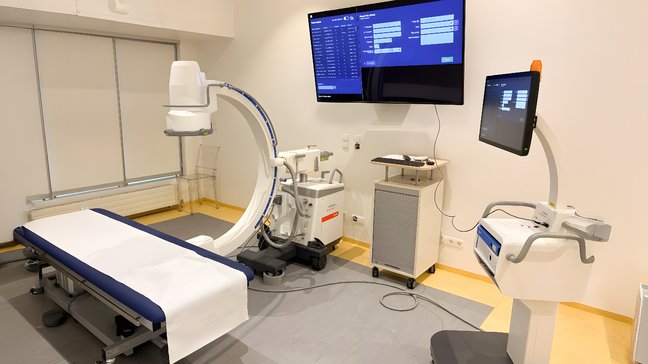
X-ray guided pain therapy
X-ray-guided pain therapy is a precise and effective treatment method for relieving pain. Imaging techniques such as X-rays are used to determine the exact location of the injection. This method is commonly used to treat chronic pain, particularly…
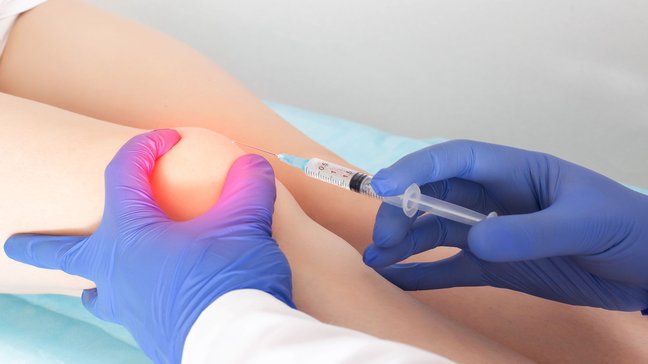
Hyaluronic Acid Therapy
Hyaluronic acid therapy is a treatment method in which hyaluronic acid is directly injected into the joint to relieve pain and improve joint function. Hyaluronic acid is a natural component of joint fluid and contributes to the lubrication and shock…
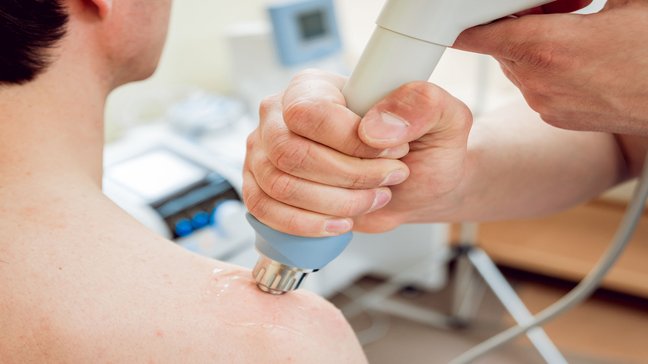
Shock wave therapy
Shock wave therapy is a non-invasive treatment method in which high-energy sound waves (shock waves) are directed at the affected tissue to relieve pain and promote healing. This method is often used in orthopedics and sports medicine to treat…
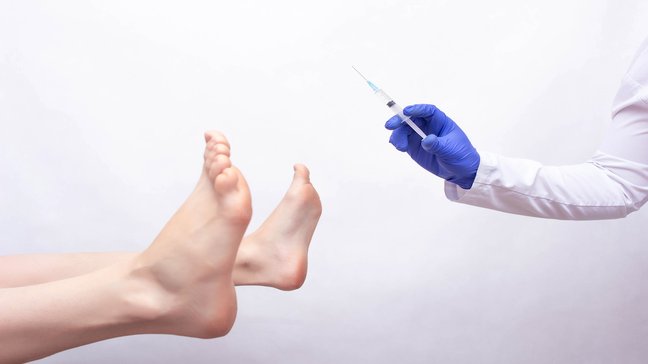
Botulinum toxin in orthopedics
Botulinum toxin is a neurotoxic protein with a wide range of medical applications. In orthopedics, it is used to treat certain muscular and neuromuscular conditions. It works by blocking the release of acetylcholine, a neurotransmitter responsible…
Pediatric orthopedics
When is pediatric orthopedics used?
Paediatric orthopaedics is used for various complaints and conditions, including:
- Congenital malformations (e.g. clubfoot, hip dysplasia)
- Growth disorders
- Scoliosis and other spinal deformities
- Sports injuries
- Gait disorders and posture problems
- Fractures and injuries
- Neuromuscular diseases (e.g. cerebral palsy)
Advantages of Pediatric Orthopedics
- Early detection and treatment: Enables the early diagnosis and treatment of developmental disorders.
- Individually tailored: Treatments are specifically adapted to the needs of growing children and adolescents.
- Holistic care: Includes preventive measures, conservative therapies, and surgical interventions.
- Long-term results: Aims to promote the best possible physical development and function.
Conducting pediatric orthopedic treatment.
- Examination: The pediatric orthopedist conducts a thorough medical history and physical examination to identify the causes of the complaints. Depending on the need, imaging techniques such as X-rays, MRI, or ultrasound may be used.
- Treatment: Depending on the diagnosis, treatment can be conservative (e.g., physiotherapy, orthotics, braces) or surgical. The pediatric orthopedist develops an individualized treatment plan tailored to the specific needs of the child.
- Duration of treatment: The duration of treatment varies depending on the type and severity of the condition.
- Frequency of sessions: Regular check-ups are important to monitor progress and adjust the treatment plan if necessary.
What you need to consider before pediatric orthopedic treatment
- Health issues: Inform the pediatric orthopedist about existing health problems and previous medical treatments of your child.
- Medications: Inform the pediatric orthopedist if your child regularly takes medication.
- Preparation: No special preparations are required, but it may be helpful to bring medical records and previous X-rays.
Debriefing and Consultation
After the examination and treatment, the pediatric orthopedist will discuss the results and the further course of treatment with you. The pediatric orthopedist will assess whether further measures are necessary and how the treatment plan can be adjusted to achieve the best possible results. Additional recommendations may include exercises, physiotherapeutic measures, or adjustments in daily life to support healing and development.
X-ray guided pain therapy
X-ray-guided pain therapy is a precise and effective treatment method for relieving pain. Imaging techniques such as X-rays are used to determine the exact location of the injection. This method is commonly used to treat chronic pain, particularly…
Hyaluronic Acid Therapy
Hyaluronic acid therapy is a treatment method in which hyaluronic acid is directly injected into the joint to relieve pain and improve joint function. Hyaluronic acid is a natural component of joint fluid and contributes to the lubrication and shock…
Shock wave therapy
Shock wave therapy is a non-invasive treatment method in which high-energy sound waves (shock waves) are directed at the affected tissue to relieve pain and promote healing. This method is often used in orthopedics and sports medicine to treat…
Botulinum toxin in orthopedics
Botulinum toxin is a neurotoxic protein with a wide range of medical applications. In orthopedics, it is used to treat certain muscular and neuromuscular conditions. It works by blocking the release of acetylcholine, a neurotransmitter responsible…