

Tendovaginitis
Classification of Tendovaginitis
Tendovaginitis is classified according to cause and course:
- Aseptic tendovaginitis: Inflammation without infection, often due to overuse or mechanical irritation.
- Septic tendovaginitis: Infectious inflammation caused by bacteria, often after injuries or injections.
- Tendovaginitis stenosans: Narrowing of the tendon sheath, often with repeated stress (e.g., trigger finger).
- Tendovaginitis crepitans: Mechanical inflammation accompanied by a palpable crunching (crepitation).
Causes of tendinitis
The main causes of tendovaginitis can be divided into mechanical, inflammatory, and infectious factors:
- Mechanical stress:
- Repeated movements, such as in manual work, computer use, or playing music.
- Overuse of tendons, especially due to unfamiliar or monotonous strains.
- Inflammatory diseases:
- Rheumatoid arthritis, which can chronically inflame the tendon sheaths.
- Gout, which leads to deposits in the tendon sheath.
- Infections:
- Bacterial infections following injuries, surgeries, or injections.
- Traumatic causes:
- Direct injuries to the tendon or surrounding structures.
Symptoms of tendinitis
The symptoms vary depending on the cause and severity of the inflammation, but typically include:
- Localized pain: Often along the affected tendon, especially during movement.
- Swelling: Visible and palpable thickening in the area of the inflamed tendon sheath.
- Movement restrictions: Pain or blockages during movements of the affected area.
- Crepitation: Noticeable or audible crunching during movement (in tendovaginitis crepitans).
- Redness and overheating: Signs of acute inflammation, especially in infectious tendovaginitis.
- Tenderness: Pain when touching the affected region.
Diagnosis of tenosynovitis
The diagnosis is made through a combination of medical history, clinical examination, and, if necessary, imaging techniques:
- Medical History:
- Collection of the medical history, possible overuse or injuries, and accompanying symptoms.
- Physical Examination:
- Palpation of the tendon for swelling, tenderness, and crepitation.
- Functional tests to assess mobility and pain induction.
- Imaging:
- Ultrasound: Visualization of fluid accumulations and thickening in the tendon sheath.
- MRI: Detailed assessment of chronic or complicated cases.
- Laboratory Tests:
- Analysis of inflammatory parameters or fluid samples if infectious causes are suspected.
Treatment options for tenosynovitis
Conservative Therapy
Most cases of tendovaginitis can be successfully treated without surgical intervention:
- Immobilization: Use of splints or bandages to relieve the affected tendon.
- Medication Therapy:
- NSAIDs: For pain relief and anti-inflammatory effects.
- Corticosteroid injections for severe inflammation.
- Antibiotics for septic tendovaginitis.
- Physiotherapy:
- Stretching and strengthening exercises to restore mobility.
- Manual therapy to release adhesions.
- Local Applications:
- Cold therapy for acute inflammation.
- Heat treatment for chronic complaints.
Surgical Therapy
In chronic cases or severe instances, surgery is required:
- Tendon Sheath Opening (Synovectomy): Removal of inflamed tissue to restore gliding ability.
- Debridement: Cleaning of infected or necrotic tissue parts.
- Reconstruction: Restoration of the tendon sheath in cases of severe damage.
Preventive measures for tendinitis
To prevent tendovaginitis and support recovery, the following measures are recommended:
- Ergonomic work design: Avoidance of unilateral strain through adapted workplaces and tools.
- Regular breaks: Relief of the affected areas during repetitive activities.
- Muscle strengthening: Targeted training to stabilize and support the tendons.
- Stretching exercises: Regular stretching of the affected muscles and tendons.
- Early treatment: At the first signs of pain or swelling, medical advice should be sought as soon as possible.
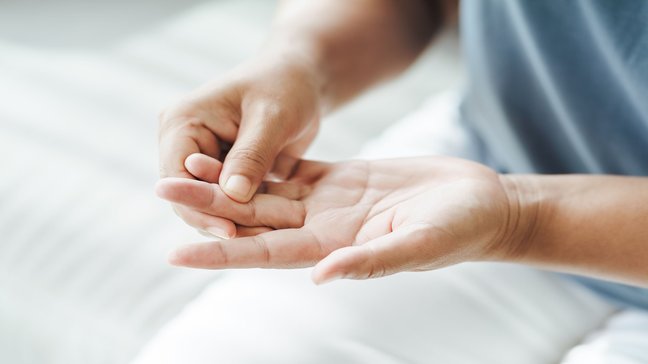
Trigger finger
Trigger finger, medically known as stenosing tenosynovitis, is a common condition caused by inflammation or thickening of the flexor tendons in the fingers or the thumb tendon. The tendons no longer glide smoothly through the tendon sheath (pulleys),…
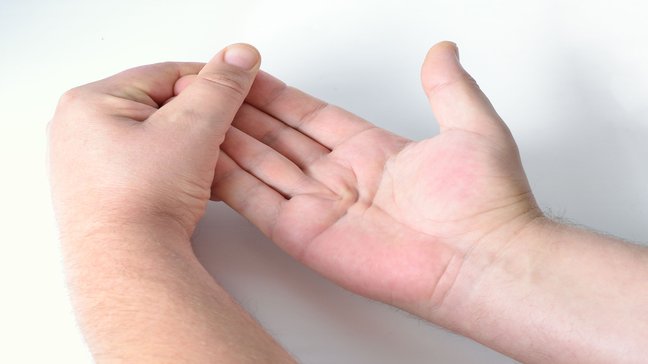
Dupuytren's disease
Dupuytren's disease, also known as Dupuytren's contracture, is a chronic condition of the connective tissue in the palm of the hand. It leads to a nodular thickening and shortening of the palmar aponeurosis, causing the affected fingers to…

Carpal tunnel syndrome
Carpal tunnel syndrome (CTS) is a common nerve compression disorder in which the median nerve is compressed in the wrist area. This compression leads to pain, numbness, and weakness in the hand, particularly in the thumb, index finger, and middle…
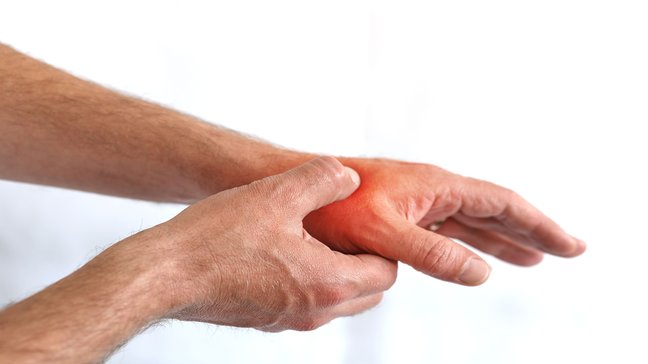
Rhizarthrosis
Rhizarthrosis is a degenerative disease of the thumb saddle joint, caused by the wear of the cartilage between the first metacarpal bone and the trapezium bone (Os trapezium). It is one of the most common forms of osteoarthritis in the hand and…
Tendovaginitis
Classification of Tendovaginitis
Tendovaginitis is classified according to cause and course:
- Aseptic tendovaginitis: Inflammation without infection, often due to overuse or mechanical irritation.
- Septic tendovaginitis: Infectious inflammation caused by bacteria, often after injuries or injections.
- Tendovaginitis stenosans: Narrowing of the tendon sheath, often with repeated stress (e.g., trigger finger).
- Tendovaginitis crepitans: Mechanical inflammation accompanied by a palpable crunching (crepitation).
Causes of tendinitis
The main causes of tendovaginitis can be divided into mechanical, inflammatory, and infectious factors:
- Mechanical stress:
- Repeated movements, such as in manual work, computer use, or playing music.
- Overuse of tendons, especially due to unfamiliar or monotonous strains.
- Inflammatory diseases:
- Rheumatoid arthritis, which can chronically inflame the tendon sheaths.
- Gout, which leads to deposits in the tendon sheath.
- Infections:
- Bacterial infections following injuries, surgeries, or injections.
- Traumatic causes:
- Direct injuries to the tendon or surrounding structures.
Symptoms of tendinitis
The symptoms vary depending on the cause and severity of the inflammation, but typically include:
- Localized pain: Often along the affected tendon, especially during movement.
- Swelling: Visible and palpable thickening in the area of the inflamed tendon sheath.
- Movement restrictions: Pain or blockages during movements of the affected area.
- Crepitation: Noticeable or audible crunching during movement (in tendovaginitis crepitans).
- Redness and overheating: Signs of acute inflammation, especially in infectious tendovaginitis.
- Tenderness: Pain when touching the affected region.
Diagnosis of tenosynovitis
The diagnosis is made through a combination of medical history, clinical examination, and, if necessary, imaging techniques:
- Medical History:
- Collection of the medical history, possible overuse or injuries, and accompanying symptoms.
- Physical Examination:
- Palpation of the tendon for swelling, tenderness, and crepitation.
- Functional tests to assess mobility and pain induction.
- Imaging:
- Ultrasound: Visualization of fluid accumulations and thickening in the tendon sheath.
- MRI: Detailed assessment of chronic or complicated cases.
- Laboratory Tests:
- Analysis of inflammatory parameters or fluid samples if infectious causes are suspected.
Treatment options for tenosynovitis
Conservative Therapy
Most cases of tendovaginitis can be successfully treated without surgical intervention:
- Immobilization: Use of splints or bandages to relieve the affected tendon.
- Medication Therapy:
- NSAIDs: For pain relief and anti-inflammatory effects.
- Corticosteroid injections for severe inflammation.
- Antibiotics for septic tendovaginitis.
- Physiotherapy:
- Stretching and strengthening exercises to restore mobility.
- Manual therapy to release adhesions.
- Local Applications:
- Cold therapy for acute inflammation.
- Heat treatment for chronic complaints.
Surgical Therapy
In chronic cases or severe instances, surgery is required:
- Tendon Sheath Opening (Synovectomy): Removal of inflamed tissue to restore gliding ability.
- Debridement: Cleaning of infected or necrotic tissue parts.
- Reconstruction: Restoration of the tendon sheath in cases of severe damage.
Preventive measures for tendinitis
To prevent tendovaginitis and support recovery, the following measures are recommended:
- Ergonomic work design: Avoidance of unilateral strain through adapted workplaces and tools.
- Regular breaks: Relief of the affected areas during repetitive activities.
- Muscle strengthening: Targeted training to stabilize and support the tendons.
- Stretching exercises: Regular stretching of the affected muscles and tendons.
- Early treatment: At the first signs of pain or swelling, medical advice should be sought as soon as possible.
Trigger finger
Trigger finger, medically known as stenosing tenosynovitis, is a common condition caused by inflammation or thickening of the flexor tendons in the fingers or the thumb tendon. The tendons no longer glide smoothly through the tendon sheath (pulleys),…
Dupuytren's disease
Dupuytren's disease, also known as Dupuytren's contracture, is a chronic condition of the connective tissue in the palm of the hand. It leads to a nodular thickening and shortening of the palmar aponeurosis, causing the affected fingers to…
Carpal tunnel syndrome
Carpal tunnel syndrome (CTS) is a common nerve compression disorder in which the median nerve is compressed in the wrist area. This compression leads to pain, numbness, and weakness in the hand, particularly in the thumb, index finger, and middle…
Rhizarthrosis
Rhizarthrosis is a degenerative disease of the thumb saddle joint, caused by the wear of the cartilage between the first metacarpal bone and the trapezium bone (Os trapezium). It is one of the most common forms of osteoarthritis in the hand and…