

Polyneuropathy
Classification of Polyneuropathies
Polyneuropathies can be classified according to cause, course, and affected nerve fibers:
- By cause:
- Diabetic polyneuropathy: A common consequence of diabetes mellitus due to chronically elevated blood sugar levels.
- Toxic polyneuropathy: Triggered by alcohol, heavy metals, or chemotherapeutic agents.
- Hereditary polyneuropathy: Genetic forms such as Charcot-Marie-Tooth disease.
- By course:
- Acute polyneuropathy: Sudden onset, often caused by infections or toxins.
- Chronic polyneuropathy: Slowly progressive, often in diabetes or autoimmune diseases.
- By affected nerve fibers:
- Sensory polyneuropathy: Affects sensory nerves, leading to numbness or tingling.
- Motor polyneuropathy: Damage to motor nerves with muscle weakness.
- Autonomic polyneuropathy: Impairs the nerves that control organs, leading to digestive or heart problems.
Causes of polyneuropathy
Polyneuropathy has a variety of causes:
- Metabolic disorders:
- Diabetes mellitus is the most common cause. Chronically high blood sugar levels damage the nerves.
- Toxic influences:
- Long-term alcohol abuse or exposure to heavy metals (e.g., lead) damage the nerves.
- Autoimmune diseases:
- Diseases such as Guillain-Barré syndrome or lupus erythematosus can trigger inflammation in the nerves.
- Infections:
- HIV, Lyme disease, or hepatitis can lead to polyneuropathies.
- Vitamin deficiency:
- A deficiency in vitamin B1, B6, or B12 impairs nerve function.
- Medications:
- Side effects of certain medications, such as chemotherapeutic agents, can trigger polyneuropathies.
Symptoms of polyneuropathy
The symptoms of polyneuropathy depend on the affected nerve fibers and can include the following:
- **Sensory symptoms:**
- Tingling, numbness, or burning pain, especially in the hands and feet.
- Over- or under-sensitivity to touch.
- **Motor symptoms:**
- Muscle weakness that makes walking or climbing stairs difficult.
- Muscle cramps or twitches.
- **Autonomic symptoms:**
- Digestive problems, dizziness, or heart rhythm disturbances.
- Excessive sweating or dry skin.
Diagnosis of polyneuropathy
The diagnosis is based on a thorough medical history, clinical examination, and supplementary tests:
- Medical history: The doctor asks about previous illnesses (e.g., diabetes), medications, alcohol, or toxin exposure.
- Clinical examination:
- Checking reflexes, muscle strength, and sensory ability.
- Tests for vibration sense and pain sensitivity.
- Diagnostic procedures:
- Nerve conduction velocity measurement (NCV): Determination of nerve function.
- Electromyography (EMG): Examination of muscle activity.
- Blood tests: Checking for diabetes, vitamin deficiencies, or autoimmune markers.
Treatment options for polyneuropathy
Conservative Therapy
The treatment depends on the underlying cause and symptoms:
- Treat underlying condition:
- Optimize blood sugar levels in diabetes.
- Avoid alcohol or toxic substances.
- Pain therapy:
- Medications like Pregabalin, Gabapentin, or Amitriptyline relieve neuropathic pain.
- Physiotherapy:
- Exercises to improve mobility and muscle strength.
- Vitamin supplementation:
- Substitution of vitamin B in case of proven deficiency.
Surgical Therapy
Surgical interventions are rare but may be necessary in cases of mechanical nerve compression, such as with a tumor.
Preventive measures for polyneuropathy
The following measures are helpful in preventing polyneuropathy:
- Healthy lifestyle: Balanced diet and abstaining from alcohol.
- Blood sugar control: Regular regulation of blood sugar in diabetes.
- Avoidance of toxins: Protection against heavy metals and chemicals.
- Regular exercise: Promotion of circulation and nerve function.
- Early detection: Seek medical advice promptly at the first signs such as tingling or numbness.
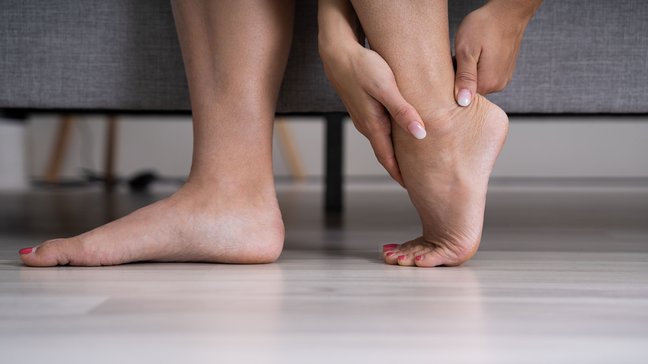
Achillodynia
Achillodynia refers to pain and inflammation of the Achilles tendon, which often occurs in physically active people. These complaints usually result from overuse or improper strain and can significantly impair mobility.

Achilles tendon pathologies
Achilles tendon pathologies include various diseases and injuries of the Achilles tendon, which can lead to pain, movement restrictions, and chronic complaints. They often affect athletes and active people, but can also arise from improper loading or…
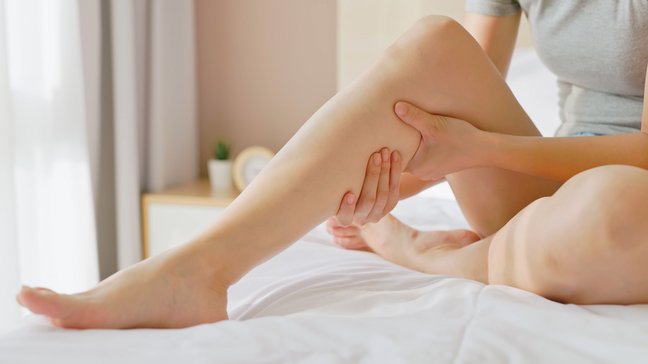
Muscle fiber tear in the calf
A muscle fiber tear in the calf is one of the most common sports injuries and occurs due to overloading of the calf muscle. This results in the tearing of individual or multiple muscle fibers, accompanied by acute pain, swelling, and restricted…
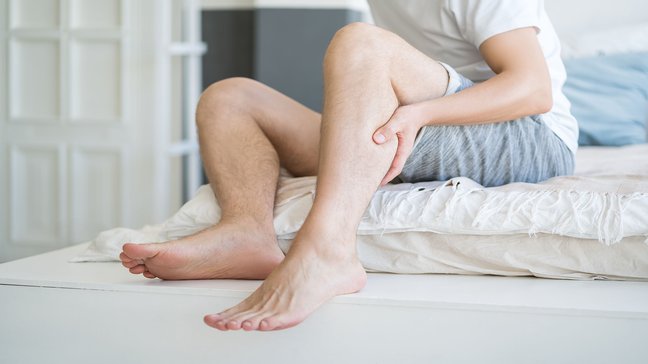
Shin splints
Shin splints, also known as medial tibial stress syndrome, refer to pain on the inner side of the shinbone (tibia) caused by overuse or repeated microtrauma to the muscles, tendons, or bone. It is a common injury among runners, dancers, and athletes…
Polyneuropathy
Classification of Polyneuropathies
Polyneuropathies can be classified according to cause, course, and affected nerve fibers:
- By cause:
- Diabetic polyneuropathy: A common consequence of diabetes mellitus due to chronically elevated blood sugar levels.
- Toxic polyneuropathy: Triggered by alcohol, heavy metals, or chemotherapeutic agents.
- Hereditary polyneuropathy: Genetic forms such as Charcot-Marie-Tooth disease.
- By course:
- Acute polyneuropathy: Sudden onset, often caused by infections or toxins.
- Chronic polyneuropathy: Slowly progressive, often in diabetes or autoimmune diseases.
- By affected nerve fibers:
- Sensory polyneuropathy: Affects sensory nerves, leading to numbness or tingling.
- Motor polyneuropathy: Damage to motor nerves with muscle weakness.
- Autonomic polyneuropathy: Impairs the nerves that control organs, leading to digestive or heart problems.
Causes of polyneuropathy
Polyneuropathy has a variety of causes:
- Metabolic disorders:
- Diabetes mellitus is the most common cause. Chronically high blood sugar levels damage the nerves.
- Toxic influences:
- Long-term alcohol abuse or exposure to heavy metals (e.g., lead) damage the nerves.
- Autoimmune diseases:
- Diseases such as Guillain-Barré syndrome or lupus erythematosus can trigger inflammation in the nerves.
- Infections:
- HIV, Lyme disease, or hepatitis can lead to polyneuropathies.
- Vitamin deficiency:
- A deficiency in vitamin B1, B6, or B12 impairs nerve function.
- Medications:
- Side effects of certain medications, such as chemotherapeutic agents, can trigger polyneuropathies.
Symptoms of polyneuropathy
The symptoms of polyneuropathy depend on the affected nerve fibers and can include the following:
- **Sensory symptoms:**
- Tingling, numbness, or burning pain, especially in the hands and feet.
- Over- or under-sensitivity to touch.
- **Motor symptoms:**
- Muscle weakness that makes walking or climbing stairs difficult.
- Muscle cramps or twitches.
- **Autonomic symptoms:**
- Digestive problems, dizziness, or heart rhythm disturbances.
- Excessive sweating or dry skin.
Diagnosis of polyneuropathy
The diagnosis is based on a thorough medical history, clinical examination, and supplementary tests:
- Medical history: The doctor asks about previous illnesses (e.g., diabetes), medications, alcohol, or toxin exposure.
- Clinical examination:
- Checking reflexes, muscle strength, and sensory ability.
- Tests for vibration sense and pain sensitivity.
- Diagnostic procedures:
- Nerve conduction velocity measurement (NCV): Determination of nerve function.
- Electromyography (EMG): Examination of muscle activity.
- Blood tests: Checking for diabetes, vitamin deficiencies, or autoimmune markers.
Treatment options for polyneuropathy
Conservative Therapy
The treatment depends on the underlying cause and symptoms:
- Treat underlying condition:
- Optimize blood sugar levels in diabetes.
- Avoid alcohol or toxic substances.
- Pain therapy:
- Medications like Pregabalin, Gabapentin, or Amitriptyline relieve neuropathic pain.
- Physiotherapy:
- Exercises to improve mobility and muscle strength.
- Vitamin supplementation:
- Substitution of vitamin B in case of proven deficiency.
Surgical Therapy
Surgical interventions are rare but may be necessary in cases of mechanical nerve compression, such as with a tumor.
Preventive measures for polyneuropathy
The following measures are helpful in preventing polyneuropathy:
- Healthy lifestyle: Balanced diet and abstaining from alcohol.
- Blood sugar control: Regular regulation of blood sugar in diabetes.
- Avoidance of toxins: Protection against heavy metals and chemicals.
- Regular exercise: Promotion of circulation and nerve function.
- Early detection: Seek medical advice promptly at the first signs such as tingling or numbness.
Achillodynia
Achillodynia refers to pain and inflammation of the Achilles tendon, which often occurs in physically active people. These complaints usually result from overuse or improper strain and can significantly impair mobility.
Achilles tendon pathologies
Achilles tendon pathologies include various diseases and injuries of the Achilles tendon, which can lead to pain, movement restrictions, and chronic complaints. They often affect athletes and active people, but can also arise from improper loading or…
Muscle fiber tear in the calf
A muscle fiber tear in the calf is one of the most common sports injuries and occurs due to overloading of the calf muscle. This results in the tearing of individual or multiple muscle fibers, accompanied by acute pain, swelling, and restricted…
Shin splints
Shin splints, also known as medial tibial stress syndrome, refer to pain on the inner side of the shinbone (tibia) caused by overuse or repeated microtrauma to the muscles, tendons, or bone. It is a common injury among runners, dancers, and athletes…