

Bursitis (trochanteric bursitis)
Classification of olecranon bursitis
The trochanteric bursitis is classified according to cause and course:
1. Acute trochanteric bursitis: Sudden onset inflammation, usually caused by overuse or trauma.
2. Chronic trochanteric bursitis: Long-lasting or recurring symptoms, often caused by repeated irritation.
3. Aseptic bursitis: Non-infectious inflammation, often due to mechanical stimuli or misalignments.
4. Septic bursitis: Infectious inflammation caused by bacterial pathogens, often accompanied by fever and severe pain.
5. Traumatic bursitis: Caused by blows, bruises, or repetitive stress.
Causes of bursitis
The causes of trochanteric bursitis can include mechanical, inflammatory, and infectious factors:
- Mechanical irritation:
- Repeated movements or prolonged pressure on the hip, for example, from lying on one side for an extended period.
- Overstrain from intense physical activities such as running or hiking.
- Orthopedic misalignments:
- Leg length discrepancies, knock knees, or pelvic misalignments that lead to overstrain of the hip muscles.
- Muscular imbalances:
- Overstrain or weakness of the abductor muscles, particularly the gluteus medius muscle.
- Inflammatory diseases:
- Rheumatoid arthritis, gout, or other systemic inflammations.
- Traumatic injuries:
- Direct blows to the hip or falls that irritate the bursa.
- Infections:
- Penetration of bacteria into the bursa through injuries or injections.
Symptoms of bursitis
The symptoms of trochanteric bursitis are often characteristic and include:
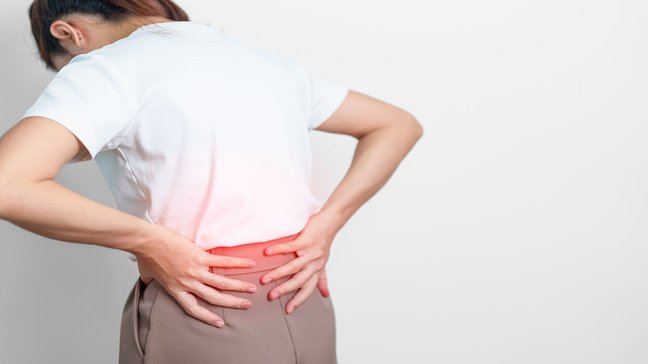
- Local pain: Burning or dull pain on the outside of the hip, often radiating to the thigh.
- Tenderness: Pain when pressure is applied to the greater trochanter, especially when lying on the affected side.
- Movement restrictions: Pain during certain movements such as walking, climbing stairs, or prolonged exertion.
- Swelling and redness: Rarely visible, except in septic bursitis.
- Night pain: Increased discomfort at rest or when lying on the affected side.
Diagnosis of bursitis
The diagnosis is made through a combination of medical history, clinical examination, and imaging techniques:
- Medical history:
- The doctor inquires about the duration and intensity of the symptoms, possible overuse, and pre-existing conditions.
- Physical examination:
- Palpation of the hip to locate the pain and assess mobility.
- Functional tests such as the Faber test or the Trendelenburg test to identify abductor weaknesses.
- Imaging:
- Ultrasound: Visualization of fluid accumulations or inflammation in the bursa.
- MRI: Detailed assessment of soft tissues and surrounding structures.
- X-ray: Exclusion of bony changes such as osteoarthritis.
- Laboratory tests:
- Blood tests to determine inflammatory markers or infections.
- Aspiration of the bursa for analysis if septic bursitis is suspected.
Treatment options for bursitis
Conservative Therapy
In most cases, trochanteric bursitis can be successfully treated without surgical intervention:
- Immobilization and Relief:
- Avoidance of stress and adjustment of training or daily activities.
- Medication Therapy:
- NSAIDs: To relieve pain and inflammation.
- Antibiotics for infectious bursitis.
- Physiotherapy:
- Exercises to strengthen the hip muscles, especially the abductors.
- Stretching shortened muscles to reduce stress on the bursa.
- Local Applications:
- Cold therapy for acute pain and inflammation.
- Heat therapy to relax muscles in chronic conditions.
- Injections:
- Corticosteroids for rapid relief of inflammation.
Surgical Therapy
In cases of persistent symptoms or complications, surgery may be necessary:
- Bursectomy: Surgical removal of the inflamed bursa in cases of recurrent inflammation.
- Correction of Misalignments: Treatment of underlying orthopedic problems.
- Minimally Invasive Procedures: Arthroscopic interventions for quick recovery.
Preventive measures for bursitis
To prevent and alleviate symptoms, the following measures are recommended:
- Strengthening of the hip muscles: Targeted training of the abductors to stabilize the hip.
- Adjustment of load: Avoidance of repeated overloads or unfamiliar activities.
- Correction of misalignments: Use of orthopedic insoles for leg length differences or other misalignments.
- Regular exercise: Promotion of mobility and flexibility of the hip through moderate activity.
- Early treatment: At the first signs of symptoms, a doctor should be consulted in a timely manner.
Iliopsoas shortening
The iliopsoas shortening describes a shortening of the iliopsoas muscle, which consists of the psoas major muscle and the iliacus muscle. This muscle complex is the main flexor of the hip joint and plays an important role in stabilizing the spine. A…

Piriformis syndrome
Piriformis syndrome is a neuromuscular disorder in which the piriformis muscle, a small, pear-shaped muscle in the buttock region, irritates or compresses the sciatic nerve. This irritation leads to pain that often radiates into the buttocks and the…

Loose bodies
Loose bodies, also known as joint mice or corpora libera, are freely movable structures in the joint cavity that consist of cartilage, bone, or soft tissue. They usually arise from injuries, degenerative processes, or inflammatory diseases and can…

Hip pain
Hip pain is a common symptom that can affect people of all ages. The pain can occur in the groin area, buttocks, or the outside of the thigh and can be both acute and chronic. It often impairs the mobility and quality of life of those affected.
Bursitis (trochanteric bursitis)
Classification of olecranon bursitis
The trochanteric bursitis is classified according to cause and course:
1. Acute trochanteric bursitis: Sudden onset inflammation, usually caused by overuse or trauma.
2. Chronic trochanteric bursitis: Long-lasting or recurring symptoms, often caused by repeated irritation.
3. Aseptic bursitis: Non-infectious inflammation, often due to mechanical stimuli or misalignments.
4. Septic bursitis: Infectious inflammation caused by bacterial pathogens, often accompanied by fever and severe pain.
5. Traumatic bursitis: Caused by blows, bruises, or repetitive stress.
Causes of bursitis
The causes of trochanteric bursitis can include mechanical, inflammatory, and infectious factors:
- Mechanical irritation:
- Repeated movements or prolonged pressure on the hip, for example, from lying on one side for an extended period.
- Overstrain from intense physical activities such as running or hiking.
- Orthopedic misalignments:
- Leg length discrepancies, knock knees, or pelvic misalignments that lead to overstrain of the hip muscles.
- Muscular imbalances:
- Overstrain or weakness of the abductor muscles, particularly the gluteus medius muscle.
- Inflammatory diseases:
- Rheumatoid arthritis, gout, or other systemic inflammations.
- Traumatic injuries:
- Direct blows to the hip or falls that irritate the bursa.
- Infections:
- Penetration of bacteria into the bursa through injuries or injections.
Symptoms of bursitis
The symptoms of trochanteric bursitis are often characteristic and include:
- Local pain: Burning or dull pain on the outside of the hip, often radiating to the thigh.
- Tenderness: Pain when pressure is applied to the greater trochanter, especially when lying on the affected side.
- Movement restrictions: Pain during certain movements such as walking, climbing stairs, or prolonged exertion.
- Swelling and redness: Rarely visible, except in septic bursitis.
- Night pain: Increased discomfort at rest or when lying on the affected side.
Diagnosis of bursitis
The diagnosis is made through a combination of medical history, clinical examination, and imaging techniques:
- Medical history:
- The doctor inquires about the duration and intensity of the symptoms, possible overuse, and pre-existing conditions.
- Physical examination:
- Palpation of the hip to locate the pain and assess mobility.
- Functional tests such as the Faber test or the Trendelenburg test to identify abductor weaknesses.
- Imaging:
- Ultrasound: Visualization of fluid accumulations or inflammation in the bursa.
- MRI: Detailed assessment of soft tissues and surrounding structures.
- X-ray: Exclusion of bony changes such as osteoarthritis.
- Laboratory tests:
- Blood tests to determine inflammatory markers or infections.
- Aspiration of the bursa for analysis if septic bursitis is suspected.
Treatment options for bursitis
Conservative Therapy
In most cases, trochanteric bursitis can be successfully treated without surgical intervention:
- Immobilization and Relief:
- Avoidance of stress and adjustment of training or daily activities.
- Medication Therapy:
- NSAIDs: To relieve pain and inflammation.
- Antibiotics for infectious bursitis.
- Physiotherapy:
- Exercises to strengthen the hip muscles, especially the abductors.
- Stretching shortened muscles to reduce stress on the bursa.
- Local Applications:
- Cold therapy for acute pain and inflammation.
- Heat therapy to relax muscles in chronic conditions.
- Injections:
- Corticosteroids for rapid relief of inflammation.
Surgical Therapy
In cases of persistent symptoms or complications, surgery may be necessary:
- Bursectomy: Surgical removal of the inflamed bursa in cases of recurrent inflammation.
- Correction of Misalignments: Treatment of underlying orthopedic problems.
- Minimally Invasive Procedures: Arthroscopic interventions for quick recovery.
Preventive measures for bursitis
To prevent and alleviate symptoms, the following measures are recommended:
- Strengthening of the hip muscles: Targeted training of the abductors to stabilize the hip.
- Adjustment of load: Avoidance of repeated overloads or unfamiliar activities.
- Correction of misalignments: Use of orthopedic insoles for leg length differences or other misalignments.
- Regular exercise: Promotion of mobility and flexibility of the hip through moderate activity.
- Early treatment: At the first signs of symptoms, a doctor should be consulted in a timely manner.
Iliopsoas shortening
The iliopsoas shortening describes a shortening of the iliopsoas muscle, which consists of the psoas major muscle and the iliacus muscle. This muscle complex is the main flexor of the hip joint and plays an important role in stabilizing the spine. A…
Piriformis syndrome
Piriformis syndrome is a neuromuscular disorder in which the piriformis muscle, a small, pear-shaped muscle in the buttock region, irritates or compresses the sciatic nerve. This irritation leads to pain that often radiates into the buttocks and the…
Loose bodies
Loose bodies, also known as joint mice or corpora libera, are freely movable structures in the joint cavity that consist of cartilage, bone, or soft tissue. They usually arise from injuries, degenerative processes, or inflammatory diseases and can…
Hip pain
Hip pain is a common symptom that can affect people of all ages. The pain can occur in the groin area, buttocks, or the outside of the thigh and can be both acute and chronic. It often impairs the mobility and quality of life of those affected.