

Traumatology
When is traumatology applied?
Traumatology is applied to various types of injuries, including:
- Bone fractures
- Joint injuries (e.g., dislocations, ligament tears)
- Soft tissue injuries (e.g., muscle tears, tendon tears)
- Traumatic brain injury
- Thoracic trauma (injuries to the chest)
- Abdominal trauma (injuries to internal organs)
- Spinal injuries
- Polytrauma (multiple injuries)
Advantages of Traumatology
- Fast and precise diagnosis: Enables quick detection and assessment of injuries.
- Effective pain management: Reduces pain and promotes healing through targeted therapies.
- Restoration of function: Supports rehabilitation and the return to normal function.
- Prevention of complications: Prevents long-term consequences and complications through early and appropriate interventions.
- Holistic care: Includes both surgical and conservative treatment approaches.
Implementation of Traumatology
Traumatological treatment includes various approaches that are often used in combination:
-
Initial care and emergency treatment:
- Stabilization: Immediate measures to stabilize the patient, including pain management and immobilization.
- Imaging techniques: Use of X-rays, CT, or MRI for accurate diagnosis of injuries.
-
Surgical treatment:
- Fracture care: Surgery to fix bone fractures using plates, screws, or nails.
- Reconstructive surgery: Restoration of the structure and function of joints, tendons, and muscles.
- Emergency surgeries: Immediate interventions for life-threatening injuries, such as organ injuries.
-
Conservative treatment:
- Casts and splints: Immobilization of fractures and injuries without surgery.
- Physiotherapy: Exercises to restore mobility and function.
- Pain therapy: Medications and other techniques for pain relief.
-
Rehabilitation:
- Physiotherapy and occupational therapy: Restoration of mobility and function through targeted exercises and measures.
- Psychological support: Assistance in coping with the emotional and psychological effects of trauma.
What you need to consider before trauma treatment
- Health issues: Inform the doctor about existing health problems, especially chronic conditions that could affect healing.
- Medications: Inform the doctor about the medications you are taking, including over-the-counter drugs and supplements.
- Allergies: Inform the doctor about known allergies, especially to medications or anesthetics.
- Preparation for surgeries: Follow the doctor's instructions for preparing for surgical procedures, such as fasting before the operation.
Debriefing and Consultation
After the traumatological treatment, the doctor will regularly review the results and the healing process. The doctor will assess whether further measures are necessary and how the therapy can be integrated into the overall treatment plan. Additional recommendations may include exercises, adjustments in daily life, or other therapeutic measures to support healing and functionality.

Orthotics/Assistive Devices Supply
Orthoses and other aids are important components of orthopedic care. They serve to support, stabilize, and correct the musculoskeletal system and joints. These aids can relieve pain, improve functionality, and support rehabilitation after injuries or…
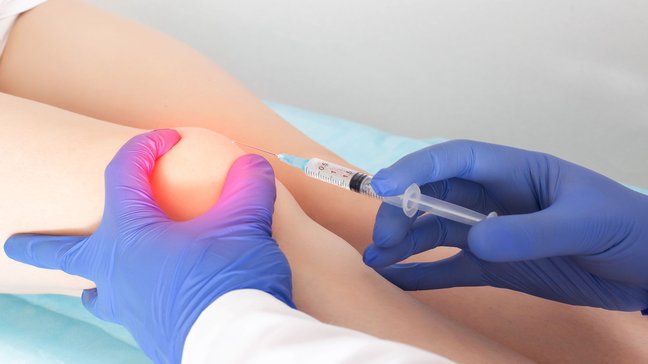
Hyaluronic Acid Therapy
Hyaluronic acid therapy is a treatment method in which hyaluronic acid is directly injected into the joint to relieve pain and improve joint function. Hyaluronic acid is a natural component of joint fluid and contributes to the lubrication and shock…

Infusion therapy
Infusion therapy is a medical treatment method in which fluids, nutrients, or medications are administered directly into the bloodstream. This method allows for the rapid and effective delivery of substances required for the treatment of acute and…
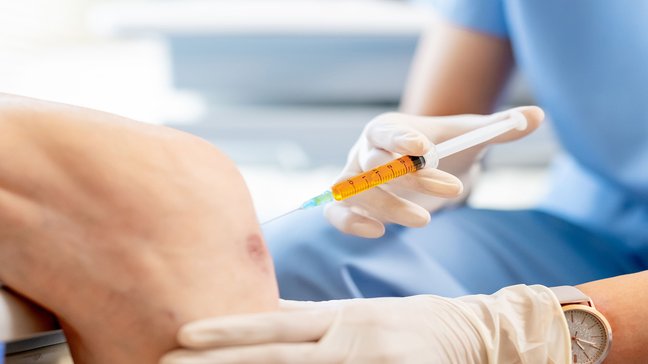
Therapy for arthrosis
Arthrosis therapy includes a range of treatment approaches to alleviate symptoms and slow the progression of osteoarthritis. It is a degenerative joint disease characterized by the breakdown of cartilage tissue in the joints. The treatment aims to…
Traumatology
When is traumatology applied?
Traumatology is applied to various types of injuries, including:
- Bone fractures
- Joint injuries (e.g., dislocations, ligament tears)
- Soft tissue injuries (e.g., muscle tears, tendon tears)
- Traumatic brain injury
- Thoracic trauma (injuries to the chest)
- Abdominal trauma (injuries to internal organs)
- Spinal injuries
- Polytrauma (multiple injuries)
Advantages of Traumatology
- Fast and precise diagnosis: Enables quick detection and assessment of injuries.
- Effective pain management: Reduces pain and promotes healing through targeted therapies.
- Restoration of function: Supports rehabilitation and the return to normal function.
- Prevention of complications: Prevents long-term consequences and complications through early and appropriate interventions.
- Holistic care: Includes both surgical and conservative treatment approaches.
Implementation of Traumatology
Traumatological treatment includes various approaches that are often used in combination:
-
Initial care and emergency treatment:
- Stabilization: Immediate measures to stabilize the patient, including pain management and immobilization.
- Imaging techniques: Use of X-rays, CT, or MRI for accurate diagnosis of injuries.
-
Surgical treatment:
- Fracture care: Surgery to fix bone fractures using plates, screws, or nails.
- Reconstructive surgery: Restoration of the structure and function of joints, tendons, and muscles.
- Emergency surgeries: Immediate interventions for life-threatening injuries, such as organ injuries.
-
Conservative treatment:
- Casts and splints: Immobilization of fractures and injuries without surgery.
- Physiotherapy: Exercises to restore mobility and function.
- Pain therapy: Medications and other techniques for pain relief.
-
Rehabilitation:
- Physiotherapy and occupational therapy: Restoration of mobility and function through targeted exercises and measures.
- Psychological support: Assistance in coping with the emotional and psychological effects of trauma.
What you need to consider before trauma treatment
- Health issues: Inform the doctor about existing health problems, especially chronic conditions that could affect healing.
- Medications: Inform the doctor about the medications you are taking, including over-the-counter drugs and supplements.
- Allergies: Inform the doctor about known allergies, especially to medications or anesthetics.
- Preparation for surgeries: Follow the doctor's instructions for preparing for surgical procedures, such as fasting before the operation.
Debriefing and Consultation
After the traumatological treatment, the doctor will regularly review the results and the healing process. The doctor will assess whether further measures are necessary and how the therapy can be integrated into the overall treatment plan. Additional recommendations may include exercises, adjustments in daily life, or other therapeutic measures to support healing and functionality.
Orthotics/Assistive Devices Supply
Orthoses and other aids are important components of orthopedic care. They serve to support, stabilize, and correct the musculoskeletal system and joints. These aids can relieve pain, improve functionality, and support rehabilitation after injuries or…
Hyaluronic Acid Therapy
Hyaluronic acid therapy is a treatment method in which hyaluronic acid is directly injected into the joint to relieve pain and improve joint function. Hyaluronic acid is a natural component of joint fluid and contributes to the lubrication and shock…
Infusion therapy
Infusion therapy is a medical treatment method in which fluids, nutrients, or medications are administered directly into the bloodstream. This method allows for the rapid and effective delivery of substances required for the treatment of acute and…
Therapy for arthrosis
Arthrosis therapy includes a range of treatment approaches to alleviate symptoms and slow the progression of osteoarthritis. It is a degenerative joint disease characterized by the breakdown of cartilage tissue in the joints. The treatment aims to…