

Infusion therapy
When is infusion therapy used?
Infusion therapy is used for various complaints and conditions, including:
- Dehydration and electrolyte imbalances
- Chronic pain
- Nutrient deficiencies and deficiency states
- Postoperative care
- Detoxification and cleansing of the body
- Autoimmune diseases
- Support of the immune system
Advantages of Infusion Therapy
- Rapid action: Enables quick availability of medications and nutrients in the bloodstream.
- Targeted treatment: Direct administration allows for precise dosing and effect.
- Effective hydration: Can treat dehydration quickly and effectively.
- Bypassing the digestive tract: Particularly beneficial for patients with digestive issues or nausea.
- Individually tailored: The composition of infusions can be adjusted to the specific needs of the patient.
- Improvement of general well-being: Can contribute to the overall strengthening and support of the body.
Administration of infusion therapy
- Examination: The doctor conducts a thorough medical history and physical examination to determine the necessity and type of infusion.
- Preparation: A vein is selected and disinfected. A sterile needle or catheter is inserted into the vein.
- Administration: The infusion is prepared and administered via an infusion pump or by gravity. The administration can last from several minutes to hours, depending on the need.
- Duration of treatment: An infusion therapy session usually lasts between 30 minutes and several hours, depending on the type of infusion and the patient's needs.
- Frequency of sessions: Depending on the condition and treatment goal, regular infusions may be necessary.
What you need to consider before infusion therapy
- Health problems: Inform the doctor about existing health issues, especially cardiovascular diseases, kidney problems, or allergies.
- Medications: Inform the doctor about the medications you are taking, including over-the-counter drugs and supplements.
- Allergies: Inform the doctor about known allergies to medications or infusion solutions.
- Preparation: No special preparations are usually required, but it is helpful to drink enough beforehand and be in a comfortable position.
Debriefing and Consultation
After the infusion therapy, the doctor will discuss the results and your reaction to the treatment. The doctor will assess whether further infusions are necessary and how the therapy can be integrated into the overall treatment plan. Additional recommendations may include dietary adjustments, physiotherapy measures, or other therapeutic approaches to optimize healing and support the body.

Home Remedies in Pain Therapy
Home remedies can be an effective and natural complement to conventional pain therapy. They offer simple and accessible ways to relieve pain and promote overall well-being. Here are some common home remedies and their applications in pain therapy.
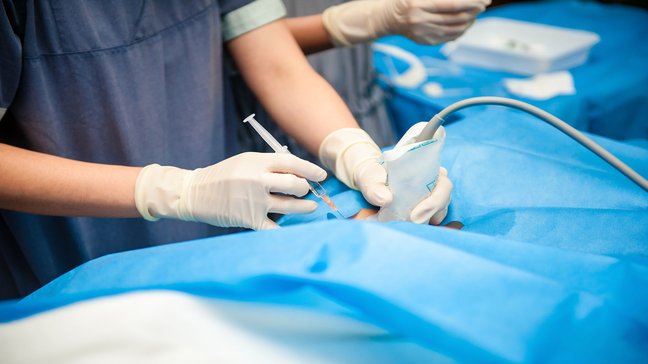
Ultrasound-guided pain therapy
Ultrasound-guided pain therapy is a precise and effective treatment method for alleviating pain, using imaging techniques such as ultrasound to determine the exact position of the injection. This method is often used to treat chronic pain,…
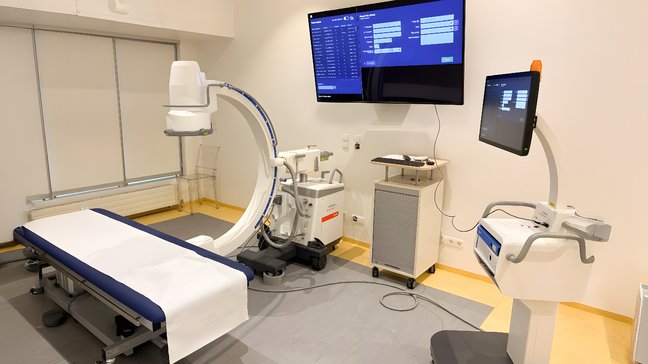
X-ray guided pain therapy
X-ray-guided pain therapy is a precise and effective treatment method for relieving pain. Imaging techniques such as X-rays are used to determine the exact location of the injection. This method is commonly used to treat chronic pain, particularly…
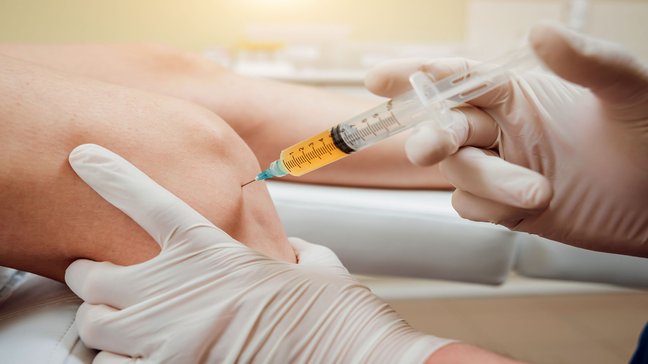
PRP therapy (autologous plasma)
PRP therapy (platelet-rich plasma) is an innovative treatment method that uses the patient's own blood to support healing processes in the body. The blood is processed to isolate the platelet-rich plasma, which is then injected into the affected…
Infusion therapy
When is infusion therapy used?
Infusion therapy is used for various complaints and conditions, including:
- Dehydration and electrolyte imbalances
- Chronic pain
- Nutrient deficiencies and deficiency states
- Postoperative care
- Detoxification and cleansing of the body
- Autoimmune diseases
- Support of the immune system
Advantages of Infusion Therapy
- Rapid action: Enables quick availability of medications and nutrients in the bloodstream.
- Targeted treatment: Direct administration allows for precise dosing and effect.
- Effective hydration: Can treat dehydration quickly and effectively.
- Bypassing the digestive tract: Particularly beneficial for patients with digestive issues or nausea.
- Individually tailored: The composition of infusions can be adjusted to the specific needs of the patient.
- Improvement of general well-being: Can contribute to the overall strengthening and support of the body.
Administration of infusion therapy
- Examination: The doctor conducts a thorough medical history and physical examination to determine the necessity and type of infusion.
- Preparation: A vein is selected and disinfected. A sterile needle or catheter is inserted into the vein.
- Administration: The infusion is prepared and administered via an infusion pump or by gravity. The administration can last from several minutes to hours, depending on the need.
- Duration of treatment: An infusion therapy session usually lasts between 30 minutes and several hours, depending on the type of infusion and the patient's needs.
- Frequency of sessions: Depending on the condition and treatment goal, regular infusions may be necessary.
What you need to consider before infusion therapy
- Health problems: Inform the doctor about existing health issues, especially cardiovascular diseases, kidney problems, or allergies.
- Medications: Inform the doctor about the medications you are taking, including over-the-counter drugs and supplements.
- Allergies: Inform the doctor about known allergies to medications or infusion solutions.
- Preparation: No special preparations are usually required, but it is helpful to drink enough beforehand and be in a comfortable position.
Debriefing and Consultation
After the infusion therapy, the doctor will discuss the results and your reaction to the treatment. The doctor will assess whether further infusions are necessary and how the therapy can be integrated into the overall treatment plan. Additional recommendations may include dietary adjustments, physiotherapy measures, or other therapeutic approaches to optimize healing and support the body.
Home Remedies in Pain Therapy
Home remedies can be an effective and natural complement to conventional pain therapy. They offer simple and accessible ways to relieve pain and promote overall well-being. Here are some common home remedies and their applications in pain therapy.
Ultrasound-guided pain therapy
Ultrasound-guided pain therapy is a precise and effective treatment method for alleviating pain, using imaging techniques such as ultrasound to determine the exact position of the injection. This method is often used to treat chronic pain,…
X-ray guided pain therapy
X-ray-guided pain therapy is a precise and effective treatment method for relieving pain. Imaging techniques such as X-rays are used to determine the exact location of the injection. This method is commonly used to treat chronic pain, particularly…
PRP therapy (autologous plasma)
PRP therapy (platelet-rich plasma) is an innovative treatment method that uses the patient's own blood to support healing processes in the body. The blood is processed to isolate the platelet-rich plasma, which is then injected into the affected…