

Stress fracture in the foot
Classification of Fatigue Fractures in the Foot
Fatigue fractures in the foot are classified according to location and affected bones as follows:
1. **March fracture:** Typically affects the metatarsal bones, especially the second and third bones.
2. **Calcaneal fracture:** Stress fracture of the calcaneus (heel bone), often caused by repeated jumping or running stresses.
3. **Navicular fracture:** Stress fracture of the navicular bone, common in sports such as basketball or athletics.
4. **Sesamoid fracture:** Affects the small sesamoid bones under the big toe joint, which can be damaged by repeated pressure stresses.
Causes of fatigue fracture in the foot
The symptoms of a stress fracture often develop gradually and include:
- **Pain:**
- Initially, mild pain occurs in the affected area, which intensifies with exertion and subsides at rest. As the fracture progresses, the pain may persist.
- **Swelling:**
- Local swelling and redness over the affected bone are common.
- **Tenderness:**
- Touching or applying pressure to the affected area causes pain.
- **Limited range of motion:**
- Pain can lead to a protective posture and restricted mobility.
- **Gait changes:**
- Affected individuals adjust their gait to avoid pain, which can lead to additional strain on other areas of the foot.
Symptoms of a stress fracture in the foot
The symptoms of a stress fracture often develop gradually and include:
- **Pain:**
- Initially, mild pain occurs in the affected area, which intensifies with exertion and subsides at rest. As the fracture progresses, the pain may persist.
- **Swelling:**
- Local swelling and redness over the affected bone are common.
- **Tenderness:**
- Touching or applying pressure to the affected area causes pain.
- **Limited range of motion:**
- Pain can lead to a protective posture and restricted mobility.
- **Gait changes:**
- Affected individuals adjust their gait to avoid pain, which can lead to additional strain on other areas of the foot.
Diagnosis of a stress fracture in the foot
The diagnosis of a stress fracture is made through a combination of medical history, physical examination, and imaging techniques:
- Medical History:
- The doctor inquires about the patient's medical history, including sports activities, changes in training, and the course of pain.
- Clinical Examination:
- Palpation of the affected area to identify tenderness and swelling.
- Imaging Techniques:
- X-ray: Shows fractures, but often only visible after several weeks.
- MRI: The most sensitive method for early detection of stress fractures.
- Bone Scintigraphy: Helpful in unclear cases or for assessing multiple fractures.
Treatment options for stress fracture in the foot
Conservative Therapy
Most stress fractures can be treated without surgery:
- Immobilization:
- Immobilizing the foot with special shoes, splints, or casts to promote healing.
- Load Reduction:
- Avoiding strenuous activities such as running or jumping for several weeks.
- Pain Management:
- Taking anti-inflammatory medications like ibuprofen for pain relief.
- Physical Therapy:
- Targeted exercises to restore mobility and strengthen muscles.
Surgical Therapy
Surgery is rarely necessary and is only considered for severe or non-healing fractures:
- Osteosynthesis: Fixation of the broken bone with screws or plates.
- Bone Replacement: In rare cases, a bone graft may be required to promote healing.
Preventive measures for stress fracture in the foot
To prevent stress fractures, the following measures are recommended:
- Gradual increase in training: Adjusting the intensity and duration of physical activities in small steps.
- Appropriate footwear: Using shoes with good cushioning and adequate support.
- Regular exercise: Strengthening the foot muscles through targeted exercises.
- Nutrition optimization: Ensuring adequate intake of calcium and vitamin D to promote bone health.
- Correction of foot misalignments: Using orthopedic insoles to relieve certain bones.
- Early treatment: At the first signs of pain, the foot should be rested and medically examined.

Metatarsalgia
Metatarsalgia describes pain in the forefoot area, often occurring under the metatarsal heads. These complaints usually arise from overuse, misalignments, or degenerative changes in the foot. People who stand a lot, walk, or are physically active are…

Hallux rigidus
Hallux rigidus is osteoarthritis of the big toe joint, which can lead to painful movement restrictions and eventually to joint stiffening. This condition significantly impairs the rolling motion of the foot and often affects people from middle age…
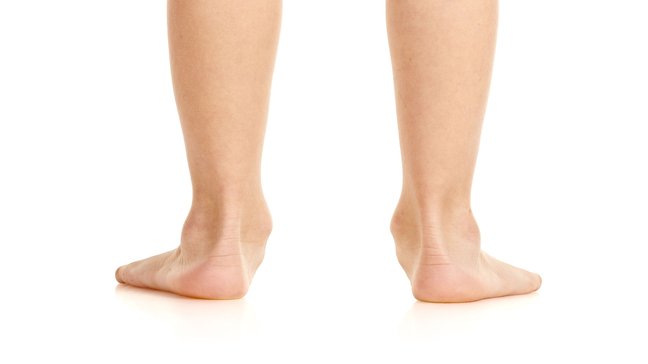
Knick-sink-foot
The flat-valgus foot (pes planovalgus) is a common foot deformity in which the longitudinal arch of the foot is flattened (flatfoot), and the heel tilts inward (valgus foot). This deformity can occur in both children and adults. While it is often…
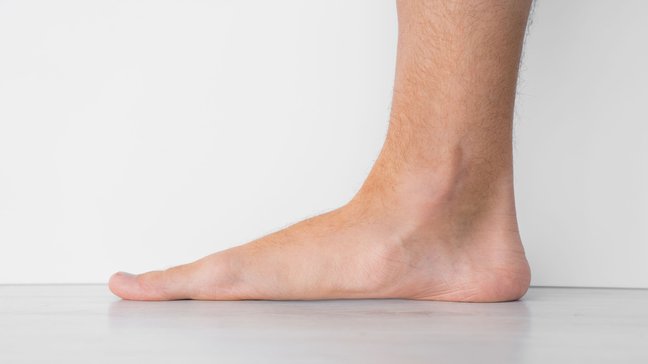
Flatfoot (Pes Planus)
A flatfoot, medically referred to as pes planus, is a foot deformity where the arch of the foot is flattened or completely absent. This condition can be congenital or acquired and often occurs in both children and adults. While mild forms often…
Stress fracture in the foot
Classification of Fatigue Fractures in the Foot
Fatigue fractures in the foot are classified according to location and affected bones as follows:
1. **March fracture:** Typically affects the metatarsal bones, especially the second and third bones.
2. **Calcaneal fracture:** Stress fracture of the calcaneus (heel bone), often caused by repeated jumping or running stresses.
3. **Navicular fracture:** Stress fracture of the navicular bone, common in sports such as basketball or athletics.
4. **Sesamoid fracture:** Affects the small sesamoid bones under the big toe joint, which can be damaged by repeated pressure stresses.
Causes of fatigue fracture in the foot
The symptoms of a stress fracture often develop gradually and include:
- **Pain:**
- Initially, mild pain occurs in the affected area, which intensifies with exertion and subsides at rest. As the fracture progresses, the pain may persist.
- **Swelling:**
- Local swelling and redness over the affected bone are common.
- **Tenderness:**
- Touching or applying pressure to the affected area causes pain.
- **Limited range of motion:**
- Pain can lead to a protective posture and restricted mobility.
- **Gait changes:**
- Affected individuals adjust their gait to avoid pain, which can lead to additional strain on other areas of the foot.
Symptoms of a stress fracture in the foot
The symptoms of a stress fracture often develop gradually and include:
- **Pain:**
- Initially, mild pain occurs in the affected area, which intensifies with exertion and subsides at rest. As the fracture progresses, the pain may persist.
- **Swelling:**
- Local swelling and redness over the affected bone are common.
- **Tenderness:**
- Touching or applying pressure to the affected area causes pain.
- **Limited range of motion:**
- Pain can lead to a protective posture and restricted mobility.
- **Gait changes:**
- Affected individuals adjust their gait to avoid pain, which can lead to additional strain on other areas of the foot.
Diagnosis of a stress fracture in the foot
The diagnosis of a stress fracture is made through a combination of medical history, physical examination, and imaging techniques:
- Medical History:
- The doctor inquires about the patient's medical history, including sports activities, changes in training, and the course of pain.
- Clinical Examination:
- Palpation of the affected area to identify tenderness and swelling.
- Imaging Techniques:
- X-ray: Shows fractures, but often only visible after several weeks.
- MRI: The most sensitive method for early detection of stress fractures.
- Bone Scintigraphy: Helpful in unclear cases or for assessing multiple fractures.
Treatment options for stress fracture in the foot
Conservative Therapy
Most stress fractures can be treated without surgery:
- Immobilization:
- Immobilizing the foot with special shoes, splints, or casts to promote healing.
- Load Reduction:
- Avoiding strenuous activities such as running or jumping for several weeks.
- Pain Management:
- Taking anti-inflammatory medications like ibuprofen for pain relief.
- Physical Therapy:
- Targeted exercises to restore mobility and strengthen muscles.
Surgical Therapy
Surgery is rarely necessary and is only considered for severe or non-healing fractures:
- Osteosynthesis: Fixation of the broken bone with screws or plates.
- Bone Replacement: In rare cases, a bone graft may be required to promote healing.
Preventive measures for stress fracture in the foot
To prevent stress fractures, the following measures are recommended:
- Gradual increase in training: Adjusting the intensity and duration of physical activities in small steps.
- Appropriate footwear: Using shoes with good cushioning and adequate support.
- Regular exercise: Strengthening the foot muscles through targeted exercises.
- Nutrition optimization: Ensuring adequate intake of calcium and vitamin D to promote bone health.
- Correction of foot misalignments: Using orthopedic insoles to relieve certain bones.
- Early treatment: At the first signs of pain, the foot should be rested and medically examined.
Metatarsalgia
Metatarsalgia describes pain in the forefoot area, often occurring under the metatarsal heads. These complaints usually arise from overuse, misalignments, or degenerative changes in the foot. People who stand a lot, walk, or are physically active are…
Hallux rigidus
Hallux rigidus is osteoarthritis of the big toe joint, which can lead to painful movement restrictions and eventually to joint stiffening. This condition significantly impairs the rolling motion of the foot and often affects people from middle age…
Knick-sink-foot
The flat-valgus foot (pes planovalgus) is a common foot deformity in which the longitudinal arch of the foot is flattened (flatfoot), and the heel tilts inward (valgus foot). This deformity can occur in both children and adults. While it is often…
Flatfoot (Pes Planus)
A flatfoot, medically referred to as pes planus, is a foot deformity where the arch of the foot is flattened or completely absent. This condition can be congenital or acquired and often occurs in both children and adults. While mild forms often…