

Flatfoot (Pes Planus)
Classification of Flatfoot
Flat feet can be categorized into different types based on cause and manifestation:
1. Flexible flatfoot: The arch of the foot is flattened only under load and returns to normal when at rest.
2. Rigid flatfoot: The arch of the foot is permanently flattened, even without load.
3. Congenital flatfoot: Occurs at birth and is often associated with deformities.
4. Acquired flatfoot: Develops over the course of life, often due to overuse, injuries, or degenerative changes.
Causes of Flatfoot
The causes of flatfoot are varied and depend on the type of condition:
- Genetic factors:
- Congenital weaknesses of the ligamentous apparatus or malformations in the foot area.
- Overload:
- Frequent standing, walking, or running on hard surfaces leads to overstrain of the foot arch.
- Injuries:
- Damage to tendons, ligaments, or bones, such as a tear of the posterior tibial tendon, can impair the stability of the foot.
- Degenerative changes:
- Wear and tear, such as osteoarthritis, can affect the foot architecture.
- Diseases:
- Neurological or muscular diseases such as polio or muscular dystrophy can promote the development of flatfoot.
- Overweight:
- An increased load on the foot arch favors the misalignment.
Symptoms of flatfoot
The symptoms of flatfoot depend on the severity and progression of the condition:
- **Foot pain:** Pain often occurs in the area of the arch, heel, or ankle, especially under load.
- **Swelling:** Swelling in the area of the inner ankle can occur, especially with acquired flatfoot.
- **Gait changes:** Noticeable walking with an altered weight distribution of the foot.
- **Posture problems:** Back pain or knee problems due to the changed body statics.
- **Fatigue:** Quick fatigue of the feet when walking or standing for long periods.
Diagnosis of Morton Neuroma
The diagnosis is made through a combination of medical history, clinical examination, and imaging techniques:
1. **Medical History:** Collection of the patient's medical history, family history, and description of symptoms.
2. **Clinical Examination:**
- Inspection of the foot while standing and walking to assess the arch of the foot.
- Functional tests, such as standing on tiptoes, to check the stability and function of the tendons.
3. **Imaging Techniques:**
- **X-ray:** Visualization of bone misalignments and joint changes.
- **MRI:** Examination of soft tissues, especially tendons and ligaments.
- **Pedobarography:** Analysis of pressure distribution in the foot.
Treatment options for Morton neuroma
Conservative Therapy
Most flat feet can be successfully treated without surgery:
- Orthopedic Insoles:
- Support of the foot arch through custom-fitted insoles.
- Physiotherapy:
- Exercises to strengthen the foot and lower leg muscles and improve mobility.
- Ergonomic Shoes:
- Shoes with sufficient cushioning and support elements that relieve the foot architecture.
- Pain Therapy:
- Use of NSAIDs to relieve pain and inflammation.
- Weight Reduction:
- Reduction of body weight to decrease the load on the foot.
Surgical Therapy
In severe or therapy-resistant cases, surgical intervention may be necessary:
- Tendon Reconstruction:
- Restoration or reinforcement of damaged tendons, such as the posterior tibial tendon.
- Osteotomy:
- Surgical correction of bone deformities.
- Arthrodesis:
- Fusion of individual foot joints to stabilize the foot.
Preventive measures for Morton neuroma.
To prevent flat feet, the following measures are helpful:
- Regular foot exercises: Promoting flexibility and strengthening the foot muscles.
- Suitable footwear: Use of well-supporting and cushioning shoes.
- Avoidance of overloading: Limiting long periods of standing and intense stress on hard surfaces.
- Weight control: Maintaining a healthy weight to relieve the arch of the foot.
- Early detection: Regular examination of the foot arch, especially in children or individuals with a family history.
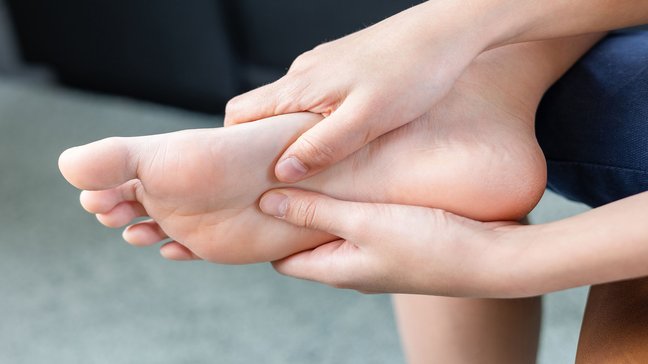
Metatarsalgia
Metatarsalgia describes pain in the forefoot area, often occurring under the metatarsal heads. These complaints usually arise from overuse, misalignments, or degenerative changes in the foot. People who stand a lot, walk, or are physically active are…
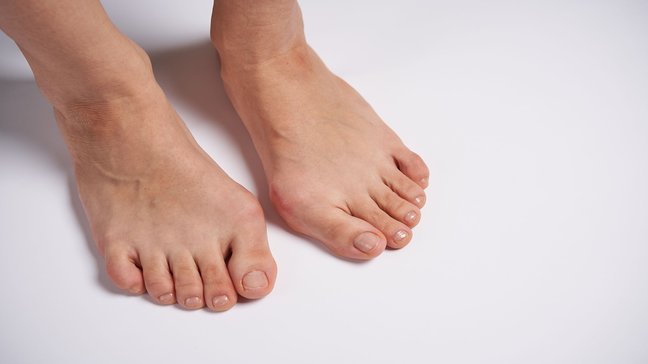
Hallux rigidus
Hallux rigidus is osteoarthritis of the big toe joint, which can lead to painful movement restrictions and eventually to joint stiffening. This condition significantly impairs the rolling motion of the foot and often affects people from middle age…
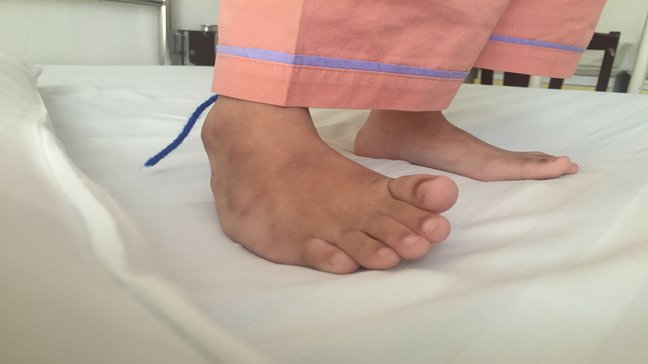
Clubfoot (Pes Equinovarus)
Clubfoot (Pes equinovarus) is a complex congenital foot deformity that occurs in about 1 in 1,000 newborns worldwide. Boys are more frequently affected than girls, and in about 50% of cases, the clubfoot is bilateral. This deformity, which can lead…
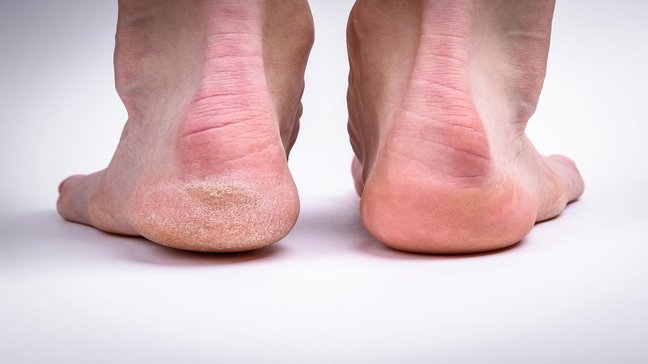
Upper heel spur
The upper heel spur, also known as Haglund's deformity, is a bony protrusion at the back of the heel bone (calcaneus). This condition often causes pain, swelling, and restricted movement, especially when the heel is under stress. The upper heel spur…
Flatfoot (Pes Planus)
Classification of Flatfoot
Flat feet can be categorized into different types based on cause and manifestation:
1. Flexible flatfoot: The arch of the foot is flattened only under load and returns to normal when at rest.
2. Rigid flatfoot: The arch of the foot is permanently flattened, even without load.
3. Congenital flatfoot: Occurs at birth and is often associated with deformities.
4. Acquired flatfoot: Develops over the course of life, often due to overuse, injuries, or degenerative changes.
Causes of Flatfoot
The causes of flatfoot are varied and depend on the type of condition:
- Genetic factors:
- Congenital weaknesses of the ligamentous apparatus or malformations in the foot area.
- Overload:
- Frequent standing, walking, or running on hard surfaces leads to overstrain of the foot arch.
- Injuries:
- Damage to tendons, ligaments, or bones, such as a tear of the posterior tibial tendon, can impair the stability of the foot.
- Degenerative changes:
- Wear and tear, such as osteoarthritis, can affect the foot architecture.
- Diseases:
- Neurological or muscular diseases such as polio or muscular dystrophy can promote the development of flatfoot.
- Overweight:
- An increased load on the foot arch favors the misalignment.
Symptoms of flatfoot
The symptoms of flatfoot depend on the severity and progression of the condition:
- **Foot pain:** Pain often occurs in the area of the arch, heel, or ankle, especially under load.
- **Swelling:** Swelling in the area of the inner ankle can occur, especially with acquired flatfoot.
- **Gait changes:** Noticeable walking with an altered weight distribution of the foot.
- **Posture problems:** Back pain or knee problems due to the changed body statics.
- **Fatigue:** Quick fatigue of the feet when walking or standing for long periods.
Diagnosis of Morton Neuroma
The diagnosis is made through a combination of medical history, clinical examination, and imaging techniques:
1. **Medical History:** Collection of the patient's medical history, family history, and description of symptoms.
2. **Clinical Examination:**
- Inspection of the foot while standing and walking to assess the arch of the foot.
- Functional tests, such as standing on tiptoes, to check the stability and function of the tendons.
3. **Imaging Techniques:**
- **X-ray:** Visualization of bone misalignments and joint changes.
- **MRI:** Examination of soft tissues, especially tendons and ligaments.
- **Pedobarography:** Analysis of pressure distribution in the foot.
Treatment options for Morton neuroma
Conservative Therapy
Most flat feet can be successfully treated without surgery:
- Orthopedic Insoles:
- Support of the foot arch through custom-fitted insoles.
- Physiotherapy:
- Exercises to strengthen the foot and lower leg muscles and improve mobility.
- Ergonomic Shoes:
- Shoes with sufficient cushioning and support elements that relieve the foot architecture.
- Pain Therapy:
- Use of NSAIDs to relieve pain and inflammation.
- Weight Reduction:
- Reduction of body weight to decrease the load on the foot.
Surgical Therapy
In severe or therapy-resistant cases, surgical intervention may be necessary:
- Tendon Reconstruction:
- Restoration or reinforcement of damaged tendons, such as the posterior tibial tendon.
- Osteotomy:
- Surgical correction of bone deformities.
- Arthrodesis:
- Fusion of individual foot joints to stabilize the foot.
Preventive measures for Morton neuroma.
To prevent flat feet, the following measures are helpful:
- Regular foot exercises: Promoting flexibility and strengthening the foot muscles.
- Suitable footwear: Use of well-supporting and cushioning shoes.
- Avoidance of overloading: Limiting long periods of standing and intense stress on hard surfaces.
- Weight control: Maintaining a healthy weight to relieve the arch of the foot.
- Early detection: Regular examination of the foot arch, especially in children or individuals with a family history.
Metatarsalgia
Metatarsalgia describes pain in the forefoot area, often occurring under the metatarsal heads. These complaints usually arise from overuse, misalignments, or degenerative changes in the foot. People who stand a lot, walk, or are physically active are…
Hallux rigidus
Hallux rigidus is osteoarthritis of the big toe joint, which can lead to painful movement restrictions and eventually to joint stiffening. This condition significantly impairs the rolling motion of the foot and often affects people from middle age…
Clubfoot (Pes Equinovarus)
Clubfoot (Pes equinovarus) is a complex congenital foot deformity that occurs in about 1 in 1,000 newborns worldwide. Boys are more frequently affected than girls, and in about 50% of cases, the clubfoot is bilateral. This deformity, which can lead…
Upper heel spur
The upper heel spur, also known as Haglund's deformity, is a bony protrusion at the back of the heel bone (calcaneus). This condition often causes pain, swelling, and restricted movement, especially when the heel is under stress. The upper heel spur…