

Scoliosis
Classification of Scoliosis
Scoliosis is classified according to cause, location, and severity of the curvature:
- By cause:
- Idiopathic scoliosis: Cause unknown, most common form, particularly in adolescents.
- Congenital scoliosis: Congenital malformation of the vertebral bodies.
- Neuromuscular scoliosis: Caused by conditions such as muscular dystrophy or cerebral palsy.
- Degenerative scoliosis: Age-related change of the spine, often associated with osteoarthritis.
- By location:
- Thoracic scoliosis: Curvature in the thoracic spine region.
- Lumbar scoliosis: Curvature in the lumbar spine region.
- Thoracolumbar scoliosis: Transitional area between the thoracic and lumbar spine.
- By severity (Cobb angle):
- Mild: Up to 20 degrees.
- Moderate: Between 20 and 40 degrees.
- Severe: Over 40 degrees.
Causes of scoliosis
The causes depend on the type of scoliosis:
- Idiopathic scoliosis:
- No clearly defined cause, but possibly genetically determined.
- Congenital scoliosis:
- Malformations of the vertebral bodies during embryonic development.
- Neuromuscular scoliosis:
- Weakness or imbalance of the back muscles, e.g., in muscular dystrophy.
- Degenerative scoliosis:
- Wear of the intervertebral discs and vertebral joints due to aging.
- Risk factors:
- Family history, growth phases in adolescence, or existing neurological disorders.
Symptoms of scoliosis
Symptoms depend on the severity and progression of the curvature:
- Asymmetry: Uneven shoulders, a prominent shoulder blade, or an uneven waist.
- Pain: Back pain, especially with degenerative scoliosis or with advanced curvature.
- Movement limitations: Reduced flexibility and mobility of the spine.
- Breathing problems: With severe curvatures of the thoracic spine, lung function may be impaired.
- Neurological symptoms: Tingling or numbness with pressure on nerves.
Diagnosis of scoliosis
The diagnosis is made through a thorough medical history, physical examination, and imaging procedures:
- Medical history:
- Assessment of symptoms, family history, and growth pattern.
- Physical examination:
- Visual inspection of the spine in the forward-bending position (Adam test).
- Measuring shoulder and pelvic height to identify asymmetries.
- Imaging:
- X-ray: For precise measurement of the Cobb angle and determination of the curvature pattern.
- MRI or CT: If neurological involvement is suspected or for detailed analysis of malformations.
Treatment options for scoliosis
Conservative therapy
In most cases, conservative treatment is sufficient, especially for mild and moderate curvatures:
- Physiotherapy:
- Targeted exercises to strengthen the back muscles and improve posture.
- Methods such as Schroth therapy to correct the misalignment.
- Corset therapy:
- Use of individually fitted corsets to prevent the progression of the curvature, especially in idiopathic scoliosis during the growth period.
- Pain management:
- NSAIDs: To relieve back pain.
- Heat therapy or massages for tension.
Surgical therapy
Surgery is considered for severe curvatures or rapidly progressive scoliosis:
- Spinal fusion (spondylodesis):
- Fixation of the spine with metal implants and correction of the curvature.
- Disc prostheses: In degenerative scoliosis to restore vertebral height.
- Decompression: Relief of nerves in cases of neurological symptoms.
Preventive measures for scoliosis
To prevent scoliosis or to support treatment, the following measures are suitable:
- Early detection: Regular examinations in children during growth phases.
- Posture training: Promoting an ergonomic sitting and standing posture.
- Regular physical activity: Sports such as swimming or Yoga to strengthen the back muscles.
- Avoidance of heavy loads: Avoiding one-sided strain from heavy lifting.
- Follow-up examinations: Regular X-ray examinations for existing curvatures.
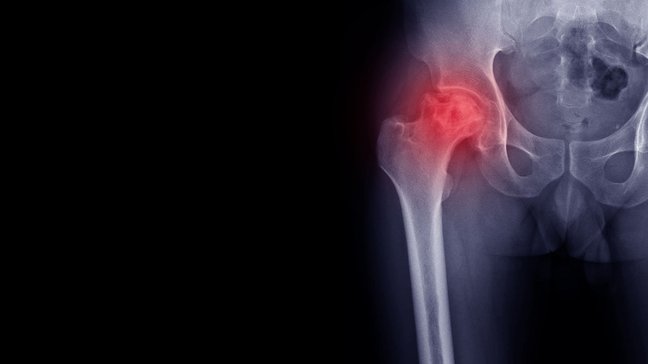
Perthes disease
Morbus Perthes, also known as Perthes disease, is a rare disorder of the hip joint in children. It arises from a temporary interruption of the blood supply to the femoral head, which leads to the death of bone tissue (aseptic necrosis of the femoral…
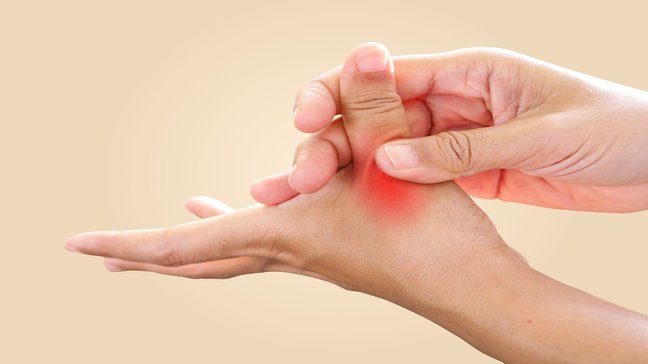
Trigger finger/thumb
Der Schnappfinger oder Schnappdaumen, medizinisch als Triggerfinger bezeichnet, ist eine Erkrankung der Beugesehnen der Finger oder des Daumens, bei der die Bewegung durch eine Verdickung der Sehne oder der Ringbänder behindert wird. Diese Verdickung…
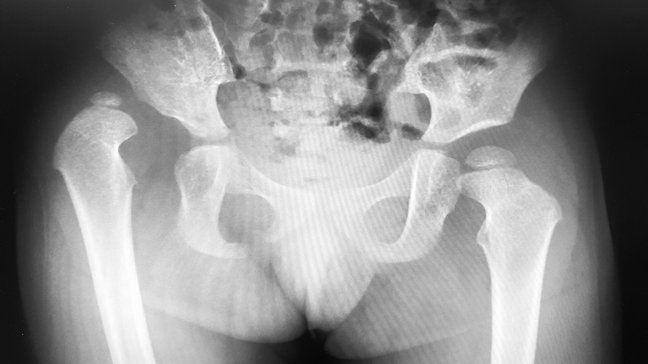
Hip dysplasia
Hip dysplasia, also referred to as hip joint dysplasia, is a congenital or acquired malformation of the hip joint. The hip socket (acetabulum) is insufficiently developed, which leads to the femoral head (caput femoris) not sitting optimally in the…
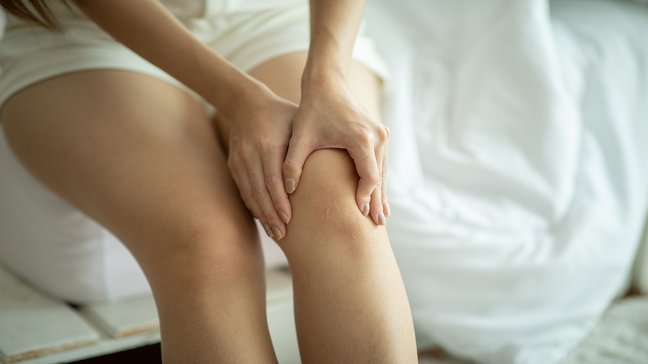
Patellar luxation
Eine Patellaluxation bezeichnet das Herausspringen der Kniescheibe (Patella) aus ihrer natürlichen Position im Gleitlager des Oberschenkelknochens (Femur). Diese Verletzung tritt häufig bei jungen, aktiven Menschen auf und ist meist mit starken…
Scoliosis
Classification of Scoliosis
Scoliosis is classified according to cause, location, and severity of the curvature:
- By cause:
- Idiopathic scoliosis: Cause unknown, most common form, particularly in adolescents.
- Congenital scoliosis: Congenital malformation of the vertebral bodies.
- Neuromuscular scoliosis: Caused by conditions such as muscular dystrophy or cerebral palsy.
- Degenerative scoliosis: Age-related change of the spine, often associated with osteoarthritis.
- By location:
- Thoracic scoliosis: Curvature in the thoracic spine region.
- Lumbar scoliosis: Curvature in the lumbar spine region.
- Thoracolumbar scoliosis: Transitional area between the thoracic and lumbar spine.
- By severity (Cobb angle):
- Mild: Up to 20 degrees.
- Moderate: Between 20 and 40 degrees.
- Severe: Over 40 degrees.
Causes of scoliosis
The causes depend on the type of scoliosis:
- Idiopathic scoliosis:
- No clearly defined cause, but possibly genetically determined.
- Congenital scoliosis:
- Malformations of the vertebral bodies during embryonic development.
- Neuromuscular scoliosis:
- Weakness or imbalance of the back muscles, e.g., in muscular dystrophy.
- Degenerative scoliosis:
- Wear of the intervertebral discs and vertebral joints due to aging.
- Risk factors:
- Family history, growth phases in adolescence, or existing neurological disorders.
Symptoms of scoliosis
Symptoms depend on the severity and progression of the curvature:
- Asymmetry: Uneven shoulders, a prominent shoulder blade, or an uneven waist.
- Pain: Back pain, especially with degenerative scoliosis or with advanced curvature.
- Movement limitations: Reduced flexibility and mobility of the spine.
- Breathing problems: With severe curvatures of the thoracic spine, lung function may be impaired.
- Neurological symptoms: Tingling or numbness with pressure on nerves.
Diagnosis of scoliosis
The diagnosis is made through a thorough medical history, physical examination, and imaging procedures:
- Medical history:
- Assessment of symptoms, family history, and growth pattern.
- Physical examination:
- Visual inspection of the spine in the forward-bending position (Adam test).
- Measuring shoulder and pelvic height to identify asymmetries.
- Imaging:
- X-ray: For precise measurement of the Cobb angle and determination of the curvature pattern.
- MRI or CT: If neurological involvement is suspected or for detailed analysis of malformations.
Treatment options for scoliosis
Conservative therapy
In most cases, conservative treatment is sufficient, especially for mild and moderate curvatures:
- Physiotherapy:
- Targeted exercises to strengthen the back muscles and improve posture.
- Methods such as Schroth therapy to correct the misalignment.
- Corset therapy:
- Use of individually fitted corsets to prevent the progression of the curvature, especially in idiopathic scoliosis during the growth period.
- Pain management:
- NSAIDs: To relieve back pain.
- Heat therapy or massages for tension.
Surgical therapy
Surgery is considered for severe curvatures or rapidly progressive scoliosis:
- Spinal fusion (spondylodesis):
- Fixation of the spine with metal implants and correction of the curvature.
- Disc prostheses: In degenerative scoliosis to restore vertebral height.
- Decompression: Relief of nerves in cases of neurological symptoms.
Preventive measures for scoliosis
To prevent scoliosis or to support treatment, the following measures are suitable:
- Early detection: Regular examinations in children during growth phases.
- Posture training: Promoting an ergonomic sitting and standing posture.
- Regular physical activity: Sports such as swimming or Yoga to strengthen the back muscles.
- Avoidance of heavy loads: Avoiding one-sided strain from heavy lifting.
- Follow-up examinations: Regular X-ray examinations for existing curvatures.
Perthes disease
Morbus Perthes, also known as Perthes disease, is a rare disorder of the hip joint in children. It arises from a temporary interruption of the blood supply to the femoral head, which leads to the death of bone tissue (aseptic necrosis of the femoral…
Trigger finger/thumb
Der Schnappfinger oder Schnappdaumen, medizinisch als Triggerfinger bezeichnet, ist eine Erkrankung der Beugesehnen der Finger oder des Daumens, bei der die Bewegung durch eine Verdickung der Sehne oder der Ringbänder behindert wird. Diese Verdickung…
Hip dysplasia
Hip dysplasia, also referred to as hip joint dysplasia, is a congenital or acquired malformation of the hip joint. The hip socket (acetabulum) is insufficiently developed, which leads to the femoral head (caput femoris) not sitting optimally in the…
Patellar luxation
Eine Patellaluxation bezeichnet das Herausspringen der Kniescheibe (Patella) aus ihrer natürlichen Position im Gleitlager des Oberschenkelknochens (Femur). Diese Verletzung tritt häufig bei jungen, aktiven Menschen auf und ist meist mit starken…