

Trigger finger/thumb
Classification of Trigger Finger/Trigger Thumb
The trigger finger/trigger thumb is classified according to severity and affected area:
- Grade 1: Pain and slight stiffness without visible "snapping."
- Grade 2: Noticeable "snapping" during movements, without the finger getting stuck.
- Grade 3: Blocking of the finger or thumb, which can be actively overcome.
- Grade 4: Permanent fixation of the finger or thumb, which cannot be resolved either actively or passively.
- Affected areas:
- Trigger finger: Ring, middle, or index finger.
- Trigger thumb: Often affected due to intensive use.
Causes of trigger finger/thumb
The main causes are mechanical, inflammatory, or systemic factors:
- Mechanical stress:
- Repetitive movements, as seen in manual work, sports, or playing music.
- Overuse of the fingers or thumb due to repetitive tasks.
- Inflammatory processes:
- Thickening of the tendon sheath due to microtraumas or local inflammations.
- Systemic diseases:
- Rheumatoid arthritis, diabetes mellitus, or gout, which can affect the tendon gliding tissue.
- Anatomical factors:
- Congenital narrowings or scarring of the tendon sheaths.
Symptoms of trigger finger/thumb
The symptoms vary depending on the severity of the condition, but typically include:
- Pain: Localized pain at the base of the finger or thumb, especially with pressure or movement.
- Snapping: A jerky bending or straightening, often accompanied by an audible or palpable resistance.
- Locking: Finger or thumb remains fixed in a bent or straight position.
- Stiffness: Noticeable especially in the morning.
- Swelling: Thickening in the area of the tendon sheath.
- Tenderness: Pain on pressure at the affected site.
Diagnosis of trigger finger/thumb
The diagnosis is based on medical history, clinical examination, and, if necessary, imaging techniques:
- Medical history:
- Inquiring about the duration and intensity of symptoms as well as possible stress factors.
- Physical examination:
- Palpation of the affected tendon sheath to identify thickenings or pain points.
- Observation of the "snapping" during finger movement.
- Imaging:
- Ultrasound: Visualization of thickenings or narrowings in the tendon sheath.
- MRI: Only necessary in rare cases, if there is suspicion of accompanying soft tissue damage.
Treatment options for trigger finger/thumb
Conservative Therapy
In early stages, non-operative measures can alleviate symptoms:
- Immobilization: Resting the affected finger or thumb using splints or bandages.
- Medication Therapy:
- NSAIDs: To reduce pain and inflammation.
- Corticosteroid injections into the tendon sheath for quick relief.
- Physiotherapy:
- Stretching and mobilization exercises to improve mobility.
- Manual therapy to release adhesions.
- Local Applications:
- Cold therapy for pain relief in acute conditions.
- Heat applications for chronic symptoms.
Surgical Therapy
In advanced cases or persistent complaints, surgery is required:
- Annular Ligament Release: Surgical widening of the tendon sheath to restore free gliding ability.
- Minimally Invasive Techniques: Gentle procedures with quick rehabilitation.
Preventive measures for trigger finger/thumb
The following measures are suitable for prevention and support of recovery:
- Avoidance of overexertion: Reduction of repetitive movements, especially with intensive use of fingers or thumbs.
- Ergonomic work design: Adjustment of tools or work environments.
- Regular breaks: Relieving the hands during repetitive activities.
- Strengthening and stretching: Targeted training of hand and finger muscles.
- Early detection: A doctor should be consulted promptly at the first signs of pain or stiffness.
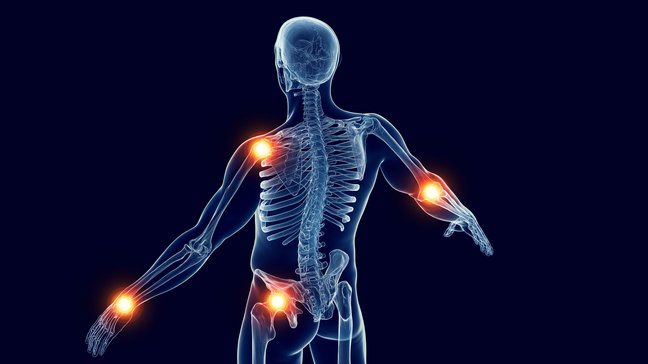
Osteonecrosis in childhood
Osteonecroses in childhood are conditions in which there is a localized blood flow disorder in the bone, leading to the death of the affected tissue. These disorders often occur at the growth zones (epiphyses) and are typically associated with pain,…

Transient synovitis
Transient synovitis of the hip, medically referred to as Coxitis fugax, is a temporary, non-bacterial inflammation of the hip joint. This condition primarily affects children between the ages of three and ten, with boys being more frequently affected…

Epiphysiolysis of the femoral head
Epiphysiolysis capitis femoris (ECF), also referred to as juvenile femoral head slippage, is an orthopedic condition in which the femoral head slips along the growth plate (epiphyseal plate) of the femur. This condition typically occurs in…
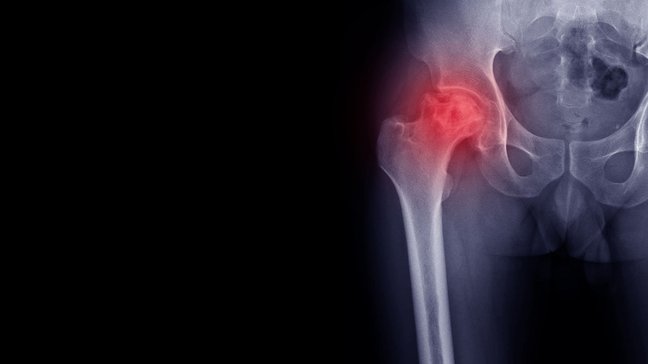
Perthes disease
Morbus Perthes, also known as Perthes disease, is a rare disorder of the hip joint in children. It arises from a temporary interruption of the blood supply to the femoral head, which leads to the death of bone tissue (aseptic necrosis of the femoral…
Trigger finger/thumb
Classification of Trigger Finger/Trigger Thumb
The trigger finger/trigger thumb is classified according to severity and affected area:
- Grade 1: Pain and slight stiffness without visible "snapping."
- Grade 2: Noticeable "snapping" during movements, without the finger getting stuck.
- Grade 3: Blocking of the finger or thumb, which can be actively overcome.
- Grade 4: Permanent fixation of the finger or thumb, which cannot be resolved either actively or passively.
- Affected areas:
- Trigger finger: Ring, middle, or index finger.
- Trigger thumb: Often affected due to intensive use.
Causes of trigger finger/thumb
The main causes are mechanical, inflammatory, or systemic factors:
- Mechanical stress:
- Repetitive movements, as seen in manual work, sports, or playing music.
- Overuse of the fingers or thumb due to repetitive tasks.
- Inflammatory processes:
- Thickening of the tendon sheath due to microtraumas or local inflammations.
- Systemic diseases:
- Rheumatoid arthritis, diabetes mellitus, or gout, which can affect the tendon gliding tissue.
- Anatomical factors:
- Congenital narrowings or scarring of the tendon sheaths.
Symptoms of trigger finger/thumb
The symptoms vary depending on the severity of the condition, but typically include:
- Pain: Localized pain at the base of the finger or thumb, especially with pressure or movement.
- Snapping: A jerky bending or straightening, often accompanied by an audible or palpable resistance.
- Locking: Finger or thumb remains fixed in a bent or straight position.
- Stiffness: Noticeable especially in the morning.
- Swelling: Thickening in the area of the tendon sheath.
- Tenderness: Pain on pressure at the affected site.
Diagnosis of trigger finger/thumb
The diagnosis is based on medical history, clinical examination, and, if necessary, imaging techniques:
- Medical history:
- Inquiring about the duration and intensity of symptoms as well as possible stress factors.
- Physical examination:
- Palpation of the affected tendon sheath to identify thickenings or pain points.
- Observation of the "snapping" during finger movement.
- Imaging:
- Ultrasound: Visualization of thickenings or narrowings in the tendon sheath.
- MRI: Only necessary in rare cases, if there is suspicion of accompanying soft tissue damage.
Treatment options for trigger finger/thumb
Conservative Therapy
In early stages, non-operative measures can alleviate symptoms:
- Immobilization: Resting the affected finger or thumb using splints or bandages.
- Medication Therapy:
- NSAIDs: To reduce pain and inflammation.
- Corticosteroid injections into the tendon sheath for quick relief.
- Physiotherapy:
- Stretching and mobilization exercises to improve mobility.
- Manual therapy to release adhesions.
- Local Applications:
- Cold therapy for pain relief in acute conditions.
- Heat applications for chronic symptoms.
Surgical Therapy
In advanced cases or persistent complaints, surgery is required:
- Annular Ligament Release: Surgical widening of the tendon sheath to restore free gliding ability.
- Minimally Invasive Techniques: Gentle procedures with quick rehabilitation.
Preventive measures for trigger finger/thumb
The following measures are suitable for prevention and support of recovery:
- Avoidance of overexertion: Reduction of repetitive movements, especially with intensive use of fingers or thumbs.
- Ergonomic work design: Adjustment of tools or work environments.
- Regular breaks: Relieving the hands during repetitive activities.
- Strengthening and stretching: Targeted training of hand and finger muscles.
- Early detection: A doctor should be consulted promptly at the first signs of pain or stiffness.
Osteonecrosis in childhood
Osteonecroses in childhood are conditions in which there is a localized blood flow disorder in the bone, leading to the death of the affected tissue. These disorders often occur at the growth zones (epiphyses) and are typically associated with pain,…
Transient synovitis
Transient synovitis of the hip, medically referred to as Coxitis fugax, is a temporary, non-bacterial inflammation of the hip joint. This condition primarily affects children between the ages of three and ten, with boys being more frequently affected…
Epiphysiolysis of the femoral head
Epiphysiolysis capitis femoris (ECF), also referred to as juvenile femoral head slippage, is an orthopedic condition in which the femoral head slips along the growth plate (epiphyseal plate) of the femur. This condition typically occurs in…
Perthes disease
Morbus Perthes, also known as Perthes disease, is a rare disorder of the hip joint in children. It arises from a temporary interruption of the blood supply to the femoral head, which leads to the death of bone tissue (aseptic necrosis of the femoral…