

Botulinum toxin in orthopedics
When is botulinum toxin used in orthopedics?
Botulinum toxin is used in orthopedics for various complaints and conditions, including:
- Muscle spasticity (e.g., in cerebral palsy)
- Chronic muscle tension and myofascial pain syndrome
- Dystonias (e.g., torticollis)
- Postoperative muscle spasms
- Trigger points and chronic pain syndromes
- Contractures after injuries or surgeries
- Chronic therapy-resistant plantar fasciitis (off label use)
- Shoulder and knee osteoarthritis (off label use)
- Tennis elbow (off label use)
- Golfer's elbow (off label use)
- Cervical syndrome and migraine
Advantages of Botulinum Toxin in Orthopedics
- Pain relief: Effectively reduces chronic pain and muscle tension.
- Improvement of mobility: Promotes muscle relaxation and improves the mobility of the affected joints.
- Long-lasting effect: The effects can last for several months before a repeat injection is needed.
- Non-invasive treatment: Offers an alternative to surgical procedures.
- Targeted application: Allows precise treatment of specific muscle groups.
Administration of botulinum toxin therapy
- Examination: The orthopedist conducts a thorough medical history and physical examination to identify the affected muscle groups.
- Preparation: The area to be treated is disinfected. In some cases, a local anesthetic may be applied to make the injection more comfortable.
- Injection: Botulinum toxin is injected directly into the affected muscles with a fine needle. The exact dose and number of injections depend on the size and location of the treated muscles.
- Duration of treatment: A session usually lasts between 15 and 30 minutes.
- Frequency of sessions: The effects of botulinum toxin typically last several months. Repeated injections may be necessary to maintain the effect.
What you need to consider before botulinum toxin therapy.
- Health issues: Inform the orthopedist about existing health issues, especially neurological disorders or allergies.
- Medications: Inform the orthopedist about which medications you are taking, including blood thinners and muscle relaxants.
- Allergies: Inform the orthopedist about known allergies to botulinum toxin or other medications.
- Preparation: No special preparations are required, but comfortable clothing can be helpful.
Debriefing and Consultation
After the botulinum toxin therapy, the orthopedist will discuss the results and your reaction to the treatment. The orthopedist will assess whether further injections or complementary therapies are necessary. Additional recommendations may include physiotherapeutic measures, special exercises, or adjustments in daily life to support healing and pain relief.
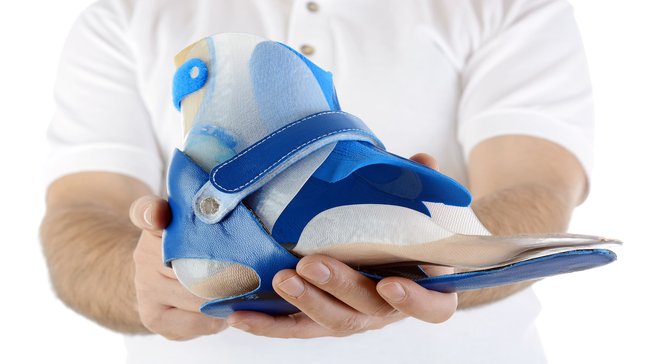
Orthotics/Assistive Devices Supply
Orthoses and other aids are important components of orthopedic care. They serve to support, stabilize, and correct the musculoskeletal system and joints. These aids can relieve pain, improve functionality, and support rehabilitation after injuries or…
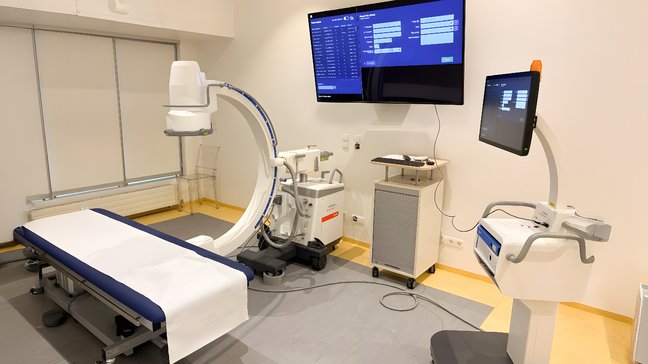
X-ray guided pain therapy
X-ray-guided pain therapy is a precise and effective treatment method for relieving pain. Imaging techniques such as X-rays are used to determine the exact location of the injection. This method is commonly used to treat chronic pain, particularly…
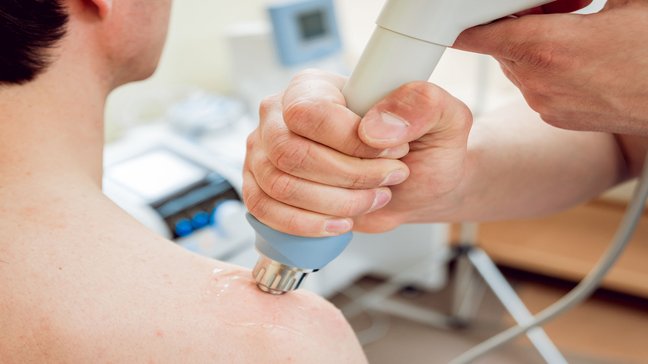
Shock wave therapy
Shock wave therapy is a non-invasive treatment method in which high-energy sound waves (shock waves) are directed at the affected tissue to relieve pain and promote healing. This method is often used in orthopedics and sports medicine to treat…
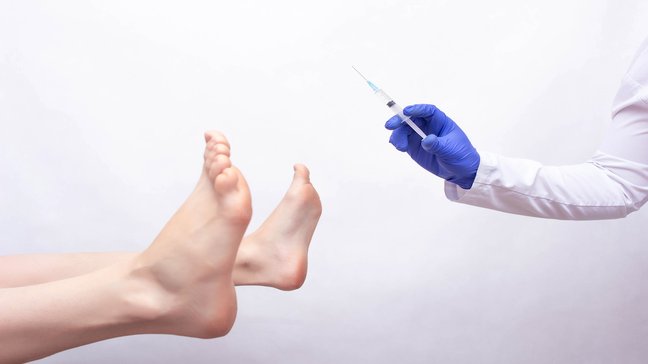
Botulinum toxin in orthopedics
Botulinum toxin is a neurotoxic protein with a wide range of medical applications. In orthopedics, it is used to treat certain muscular and neuromuscular conditions. It works by blocking the release of acetylcholine, a neurotransmitter responsible…
Botulinum toxin in orthopedics
When is botulinum toxin used in orthopedics?
Botulinum toxin is used in orthopedics for various complaints and conditions, including:
- Muscle spasticity (e.g., in cerebral palsy)
- Chronic muscle tension and myofascial pain syndrome
- Dystonias (e.g., torticollis)
- Postoperative muscle spasms
- Trigger points and chronic pain syndromes
- Contractures after injuries or surgeries
- Chronic therapy-resistant plantar fasciitis (off label use)
- Shoulder and knee osteoarthritis (off label use)
- Tennis elbow (off label use)
- Golfer's elbow (off label use)
- Cervical syndrome and migraine
Advantages of Botulinum Toxin in Orthopedics
- Pain relief: Effectively reduces chronic pain and muscle tension.
- Improvement of mobility: Promotes muscle relaxation and improves the mobility of the affected joints.
- Long-lasting effect: The effects can last for several months before a repeat injection is needed.
- Non-invasive treatment: Offers an alternative to surgical procedures.
- Targeted application: Allows precise treatment of specific muscle groups.
Administration of botulinum toxin therapy
- Examination: The orthopedist conducts a thorough medical history and physical examination to identify the affected muscle groups.
- Preparation: The area to be treated is disinfected. In some cases, a local anesthetic may be applied to make the injection more comfortable.
- Injection: Botulinum toxin is injected directly into the affected muscles with a fine needle. The exact dose and number of injections depend on the size and location of the treated muscles.
- Duration of treatment: A session usually lasts between 15 and 30 minutes.
- Frequency of sessions: The effects of botulinum toxin typically last several months. Repeated injections may be necessary to maintain the effect.
What you need to consider before botulinum toxin therapy.
- Health issues: Inform the orthopedist about existing health issues, especially neurological disorders or allergies.
- Medications: Inform the orthopedist about which medications you are taking, including blood thinners and muscle relaxants.
- Allergies: Inform the orthopedist about known allergies to botulinum toxin or other medications.
- Preparation: No special preparations are required, but comfortable clothing can be helpful.
Debriefing and Consultation
After the botulinum toxin therapy, the orthopedist will discuss the results and your reaction to the treatment. The orthopedist will assess whether further injections or complementary therapies are necessary. Additional recommendations may include physiotherapeutic measures, special exercises, or adjustments in daily life to support healing and pain relief.
Orthotics/Assistive Devices Supply
Orthoses and other aids are important components of orthopedic care. They serve to support, stabilize, and correct the musculoskeletal system and joints. These aids can relieve pain, improve functionality, and support rehabilitation after injuries or…
X-ray guided pain therapy
X-ray-guided pain therapy is a precise and effective treatment method for relieving pain. Imaging techniques such as X-rays are used to determine the exact location of the injection. This method is commonly used to treat chronic pain, particularly…
Shock wave therapy
Shock wave therapy is a non-invasive treatment method in which high-energy sound waves (shock waves) are directed at the affected tissue to relieve pain and promote healing. This method is often used in orthopedics and sports medicine to treat…
Botulinum toxin in orthopedics
Botulinum toxin is a neurotoxic protein with a wide range of medical applications. In orthopedics, it is used to treat certain muscular and neuromuscular conditions. It works by blocking the release of acetylcholine, a neurotransmitter responsible…