

Orthopedic insoles
When are orthopedic insoles used?
Orthopedic insoles are used for various complaints and conditions, including:
- Foot deformities: Flatfoot, high arch, splayfoot
- Heel spur and plantar fasciitis
- Arthritis and osteoarthritis: Especially in the feet and knees
- Achilles tendon issues
- Back pain: Problems caused by incorrect foot positioning
- Knee and hip pain
- Sports injuries and overuse injuries
- Diabetic foot problems
Benefits of orthopedic insoles
- Pain relief: Effectively reduce pain by supporting and relieving the affected areas.
- Improvement of posture: Promote correct foot positioning and thereby improve overall body posture.
- Pressure distribution: Distribute pressure evenly across the sole of the foot and prevent pressure points and pain.
- Stabilization: Support the stability and function of the feet.
- Individually tailored: Customized to the specific needs of the patient.
- Prevention: Prevent further damage and support healing.
Types of orthopedic insoles
There are different types of orthopedic insoles that are used depending on specific needs and areas of application:
-
Corrective insoles:
- Application: For foot deformities such as flatfoot, high arch, or splayfoot
- Function: Correct the foot position and promote a healthy posture
-
Cushioning insoles:
- Application: For heel spurs, plantar fasciitis, or general foot pain
- Function: Provide additional cushioning and reduce pressure on the heel and midfoot
-
Sports insoles:
- Application: For physically active individuals to prevent overuse injuries
- Function: Provide additional support and cushioning during sports activities
-
Diabetic insoles:
- Application: For diabetic foot problems to prevent pressure points and ulcers
- Function: Distribute pressure evenly and protect sensitive foot areas
-
Rheumatic insoles:
- Application: For rheumatic diseases to relieve the joints
- Function: Provide additional cushioning and support to protect the joints
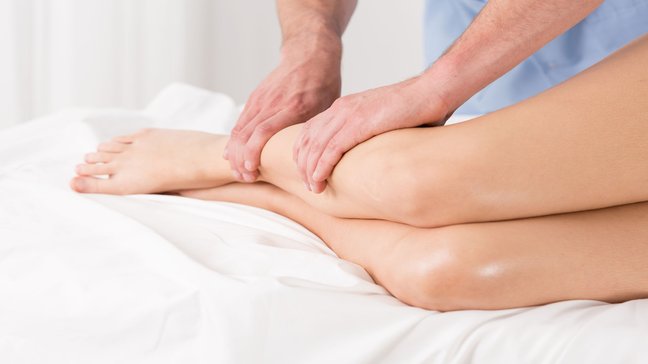
Manual lymphatic drainage
Manual lymph drainage (MLD) is a special form of therapy that stimulates the lymph flow in the body through gentle, rhythmic massage techniques. It is often used to treat lymphedema and to support healing after injuries or surgeries. This technique…
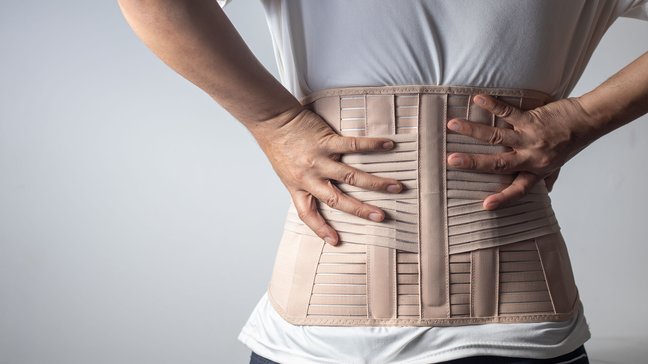
Corset
A corset, also referred to as an orthosis or support corset, is a medical device used to stabilize and support the back and spine. It is often used for the treatment and prevention of back problems and can help alleviate pain and improve mobility.…

Orthopedic aids
Orthopedic aids are specialized devices and equipment designed to support, stabilize, and relieve the musculoskeletal system. They play an essential role in the treatment of injuries, chronic diseases, and in rehabilitation after surgeries. These…
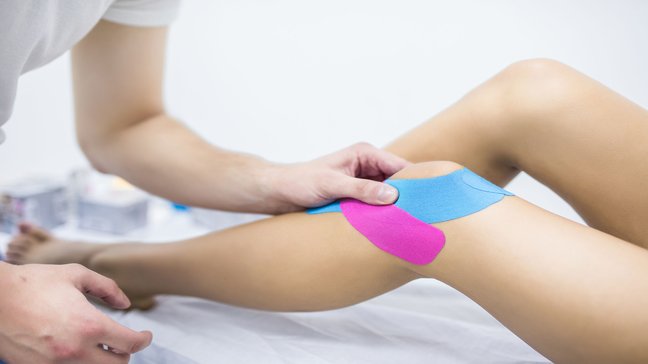
Kinesio Taping
Kinesio taping is a therapeutic method in which elastic, skin-friendly adhesive tapes are applied to specific areas of the body to relieve pain, support muscle and joint function, and promote circulation. This technique was developed by Dr. Kenzo…
Orthopedic insoles
When are orthopedic insoles used?
Orthopedic insoles are used for various complaints and conditions, including:
- Foot deformities: Flatfoot, high arch, splayfoot
- Heel spur and plantar fasciitis
- Arthritis and osteoarthritis: Especially in the feet and knees
- Achilles tendon issues
- Back pain: Problems caused by incorrect foot positioning
- Knee and hip pain
- Sports injuries and overuse injuries
- Diabetic foot problems
Benefits of orthopedic insoles
- Pain relief: Effectively reduce pain by supporting and relieving the affected areas.
- Improvement of posture: Promote correct foot positioning and thereby improve overall body posture.
- Pressure distribution: Distribute pressure evenly across the sole of the foot and prevent pressure points and pain.
- Stabilization: Support the stability and function of the feet.
- Individually tailored: Customized to the specific needs of the patient.
- Prevention: Prevent further damage and support healing.
Types of orthopedic insoles
There are different types of orthopedic insoles that are used depending on specific needs and areas of application:
-
Corrective insoles:
- Application: For foot deformities such as flatfoot, high arch, or splayfoot
- Function: Correct the foot position and promote a healthy posture
-
Cushioning insoles:
- Application: For heel spurs, plantar fasciitis, or general foot pain
- Function: Provide additional cushioning and reduce pressure on the heel and midfoot
-
Sports insoles:
- Application: For physically active individuals to prevent overuse injuries
- Function: Provide additional support and cushioning during sports activities
-
Diabetic insoles:
- Application: For diabetic foot problems to prevent pressure points and ulcers
- Function: Distribute pressure evenly and protect sensitive foot areas
-
Rheumatic insoles:
- Application: For rheumatic diseases to relieve the joints
- Function: Provide additional cushioning and support to protect the joints
Manual lymphatic drainage
Manual lymph drainage (MLD) is a special form of therapy that stimulates the lymph flow in the body through gentle, rhythmic massage techniques. It is often used to treat lymphedema and to support healing after injuries or surgeries. This technique…
Corset
A corset, also referred to as an orthosis or support corset, is a medical device used to stabilize and support the back and spine. It is often used for the treatment and prevention of back problems and can help alleviate pain and improve mobility.…
Orthopedic aids
Orthopedic aids are specialized devices and equipment designed to support, stabilize, and relieve the musculoskeletal system. They play an essential role in the treatment of injuries, chronic diseases, and in rehabilitation after surgeries. These…
Kinesio Taping
Kinesio taping is a therapeutic method in which elastic, skin-friendly adhesive tapes are applied to specific areas of the body to relieve pain, support muscle and joint function, and promote circulation. This technique was developed by Dr. Kenzo…