

Misalignments of the leg axes
Classification of Misalignments of the Leg Axes
Misalignments of the leg axes are classified based on their orientation and the affected area:
- Knock-knee (Genu valgum):
- The knees are closer together, while the ankles are further apart.
- This typically leads to increased stress on the outer parts of the knee joint.
- Bow-leg (Genu varum):
- The knees are further apart, while the ankles are together.
- This misalignment primarily stresses the inner parts of the knee joint.
- Torsional misalignments:
- Rotational deviations of the thigh or shin bones that change the alignment of the legs.
- Asymmetrical misalignments:
- Different axis deviations between the left and right leg.
Causes of misalignments of the leg axes
The causes can be divided into congenital and acquired factors:
Congenital causes:
- Genetic predispositions can lead to misalignments that become visible in childhood.
- Developmental deviations during growth, such as uneven bone development, also play a role.
Acquired causes:
- Traumatic events: Improperly healed bone fractures or injuries can permanently alter the leg axis.
- Degenerative diseases: Osteoarthritis or other degenerative joint diseases can impair the stability and alignment of the joints.
- Overweight: Excessive body weight increases the strain on the joints and promotes misalignments.
- Rickets: An insufficient supply of vitamin D or calcium can lead to a weakening of the bones, favoring misalignments.
Symptoms of misalignments of the leg axes
The symptoms vary depending on the severity of the misalignment and include:
- Pain:
- Localized pain in the knee or hip joints, which may worsen with exertion.
- Joint wear:
- Uneven stress promotes cartilage abrasion and increases the risk of osteoarthritis.
- Limited mobility:
- Affected individuals often report difficulties walking or standing for extended periods.
- Instability:
- A feeling of uncertainty or instability in the affected joints.
- Aesthetic abnormalities:
- Visible deviations in leg alignment, which can also have psychosocial impacts.
Diagnosis of misalignments of the leg axes
The diagnosis is made through a combination of clinical examination and imaging techniques:
Clinical Examination:
- The doctor checks the alignment of the legs while standing and walking, as well as the mobility of the joints.
X-rays:
- They are used for precise measurement of the leg axes and identification of bony changes.
MRI or CT:
- These methods provide detailed information about soft tissues and joint structures, especially in cases of accompanying conditions like osteoarthritis.
Gait Analysis:
- To assess the functional impact of the misalignment on the gait pattern.
Treatment options for misalignments of the leg axes
Conservative Therapy
For mild misalignments or as a supportive measure, conservative methods are used:
- Physiotherapy:
- Strengthening exercises to stabilize the joints and improve mobility.
- Manual therapy to correct muscle imbalances.
- Orthopedic aids:
- Use of shoe inserts or orthoses to relieve the affected joint areas.
- Weight reduction:
- Reduction of excess weight to decrease the load on the joints.
- Pain management:
- Taking painkillers or anti-inflammatory medications to alleviate acute symptoms.
Surgical Therapy
For pronounced misalignments or progressive symptoms, surgical correction is necessary:
- Osteotomy:
- Surgical correction of the leg axis through targeted cutting and realignment of the bones.
- Joint replacement:
- In severe osteoarthritis, an artificial joint replacement may be required.
- Arthroscopic procedures:
- Minimally invasive procedures to treat accompanying conditions such as meniscus damage.
Preventive measures for misalignments of the leg axes
To prevent and alleviate discomfort caused by misalignments, the following measures are recommended:
- Regular exercise: Promoting muscle strength and joint function through targeted exercises.
- Ergonomic footwear: Wearing orthopedically adapted shoes or insoles to support the natural leg axis.
- Early treatment: Regular check-ups for children to detect and treat growth disorders early.
- Weight management: Avoiding overweight to reduce joint stress.
- Targeted physiotherapy: Training to improve posture and prevent incorrect loading.

Epiphysiolysis of the femoral head
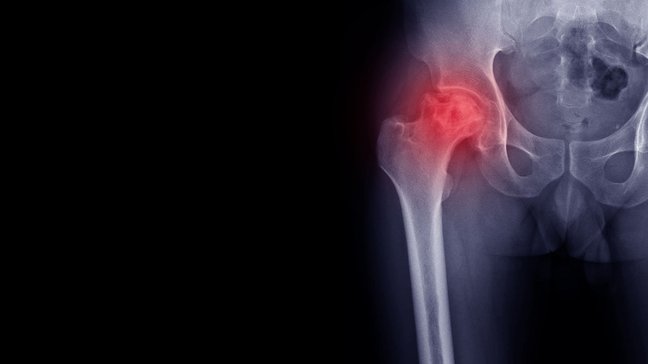
Epiphysiolysis capitis femoris (ECF), also referred to as juvenile femoral head slippage, is an orthopedic condition in which the femoral head slips along the growth plate (epiphyseal plate) of the femur. This condition typically occurs in…
Perthes disease
Morbus Perthes, also known as Perthes disease, is a rare disorder of the hip joint in children. It arises from a temporary interruption of the blood supply to the femoral head, which leads to the death of bone tissue (aseptic necrosis of the femoral…
Trigger finger/thumb
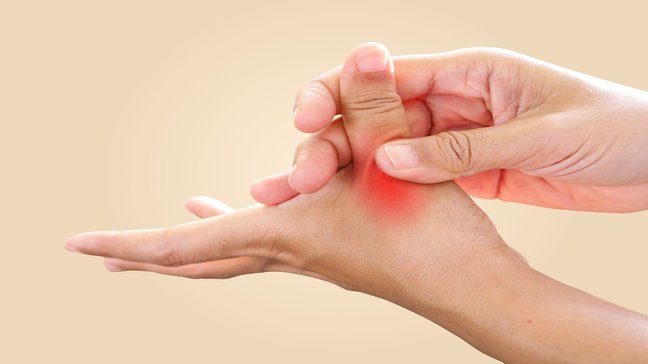
Der Schnappfinger oder Schnappdaumen, medizinisch als Triggerfinger bezeichnet, ist eine Erkrankung der Beugesehnen der Finger oder des Daumens, bei der die Bewegung durch eine Verdickung der Sehne oder der Ringbänder behindert wird. Diese Verdickung…
Scheuermann's disease
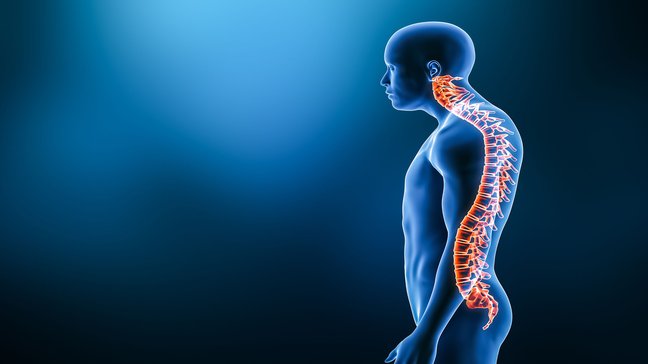
Morbus Scheuermann, auch als Scheuermann-Krankheit bezeichnet, ist eine Wachstumsstörung der Wirbelsäule, die vor allem bei Jugendlichen während der Wachstumsphase auftritt. Die Erkrankung führt zu einer vermehrten Krümmung der Brustwirbelsäule…
Misalignments of the leg axes
Classification of Misalignments of the Leg Axes
Misalignments of the leg axes are classified based on their orientation and the affected area:
- Knock-knee (Genu valgum):
- The knees are closer together, while the ankles are further apart.
- This typically leads to increased stress on the outer parts of the knee joint.
- Bow-leg (Genu varum):
- The knees are further apart, while the ankles are together.
- This misalignment primarily stresses the inner parts of the knee joint.
- Torsional misalignments:
- Rotational deviations of the thigh or shin bones that change the alignment of the legs.
- Asymmetrical misalignments:
- Different axis deviations between the left and right leg.
Causes of misalignments of the leg axes
The causes can be divided into congenital and acquired factors:
Congenital causes:
- Genetic predispositions can lead to misalignments that become visible in childhood.
- Developmental deviations during growth, such as uneven bone development, also play a role.
Acquired causes:
- Traumatic events: Improperly healed bone fractures or injuries can permanently alter the leg axis.
- Degenerative diseases: Osteoarthritis or other degenerative joint diseases can impair the stability and alignment of the joints.
- Overweight: Excessive body weight increases the strain on the joints and promotes misalignments.
- Rickets: An insufficient supply of vitamin D or calcium can lead to a weakening of the bones, favoring misalignments.
Symptoms of misalignments of the leg axes
The symptoms vary depending on the severity of the misalignment and include:
- Pain:
- Localized pain in the knee or hip joints, which may worsen with exertion.
- Joint wear:
- Uneven stress promotes cartilage abrasion and increases the risk of osteoarthritis.
- Limited mobility:
- Affected individuals often report difficulties walking or standing for extended periods.
- Instability:
- A feeling of uncertainty or instability in the affected joints.
- Aesthetic abnormalities:
- Visible deviations in leg alignment, which can also have psychosocial impacts.
Diagnosis of misalignments of the leg axes
The diagnosis is made through a combination of clinical examination and imaging techniques:
Clinical Examination:
- The doctor checks the alignment of the legs while standing and walking, as well as the mobility of the joints.
X-rays:
- They are used for precise measurement of the leg axes and identification of bony changes.
MRI or CT:
- These methods provide detailed information about soft tissues and joint structures, especially in cases of accompanying conditions like osteoarthritis.
Gait Analysis:
- To assess the functional impact of the misalignment on the gait pattern.
Treatment options for misalignments of the leg axes
Conservative Therapy
For mild misalignments or as a supportive measure, conservative methods are used:
- Physiotherapy:
- Strengthening exercises to stabilize the joints and improve mobility.
- Manual therapy to correct muscle imbalances.
- Orthopedic aids:
- Use of shoe inserts or orthoses to relieve the affected joint areas.
- Weight reduction:
- Reduction of excess weight to decrease the load on the joints.
- Pain management:
- Taking painkillers or anti-inflammatory medications to alleviate acute symptoms.
Surgical Therapy
For pronounced misalignments or progressive symptoms, surgical correction is necessary:
- Osteotomy:
- Surgical correction of the leg axis through targeted cutting and realignment of the bones.
- Joint replacement:
- In severe osteoarthritis, an artificial joint replacement may be required.
- Arthroscopic procedures:
- Minimally invasive procedures to treat accompanying conditions such as meniscus damage.
Preventive measures for misalignments of the leg axes
To prevent and alleviate discomfort caused by misalignments, the following measures are recommended:
- Regular exercise: Promoting muscle strength and joint function through targeted exercises.
- Ergonomic footwear: Wearing orthopedically adapted shoes or insoles to support the natural leg axis.
- Early treatment: Regular check-ups for children to detect and treat growth disorders early.
- Weight management: Avoiding overweight to reduce joint stress.
- Targeted physiotherapy: Training to improve posture and prevent incorrect loading.
Epiphysiolysis of the femoral head
Epiphysiolysis capitis femoris (ECF), also referred to as juvenile femoral head slippage, is an orthopedic condition in which the femoral head slips along the growth plate (epiphyseal plate) of the femur. This condition typically occurs in…
Perthes disease
Morbus Perthes, also known as Perthes disease, is a rare disorder of the hip joint in children. It arises from a temporary interruption of the blood supply to the femoral head, which leads to the death of bone tissue (aseptic necrosis of the femoral…
Trigger finger/thumb
Der Schnappfinger oder Schnappdaumen, medizinisch als Triggerfinger bezeichnet, ist eine Erkrankung der Beugesehnen der Finger oder des Daumens, bei der die Bewegung durch eine Verdickung der Sehne oder der Ringbänder behindert wird. Diese Verdickung…
Scheuermann's disease
Morbus Scheuermann, auch als Scheuermann-Krankheit bezeichnet, ist eine Wachstumsstörung der Wirbelsäule, die vor allem bei Jugendlichen während der Wachstumsphase auftritt. Die Erkrankung führt zu einer vermehrten Krümmung der Brustwirbelsäule…