

Hypnotherapy
When is hypnotherapy used?
Hypnotherapy is used for various complaints and for general health promotion, including:
- Mental illnesses: Depression, anxiety disorders, phobias, post-traumatic stress disorder (PTSD)
- Pain therapy: Chronic pain, migraines, fibromyalgia
- Addiction treatment: Smoking cessation, alcohol and drug addiction
- Sleep disorders: Insomnia, sleeplessness, nightmares
- Stress management: Stress, burnout, exam anxiety
- Eating disorders: Overweight, anorexia, bulimia
- Rehabilitation: Support for healing after surgeries or injuries
Advantages of Hypnotherapy
- Pain relief: Can effectively alleviate chronic pain and migraines.
- Stress reduction: Promotes deep relaxation and helps reduce stress and anxiety.
- Behavioral change: Supports the change of harmful behavior patterns and habits.
- Improvement of sleep: Helps treat sleep disorders and improves sleep quality.
- Support for mental illnesses: Can alleviate symptoms of depression, anxiety disorders, and PTSD.
- Holistic approach: Considers the patient as a whole and promotes overall well-being.
Conducting Hypnotherapy
- Examination: The hypnotherapist conducts a thorough medical history to identify the patient's exact needs and complaints.
- Introduction to Hypnosis: The therapist explains the process of hypnosis and answers any questions the patient may have.
- Induction: The therapist guides the patient through a series of relaxation techniques to achieve a hypnotic state.
- Suggestion: During hypnosis, the therapist gives targeted suggestions to promote behavioral changes or alleviate pain.
- Resolution of Hypnosis: The therapist gently guides the patient out of the hypnotic state back to normal consciousness.
- Duration of Treatment: A session usually lasts between 45 and 90 minutes.
- Frequency of Sessions: Depending on the type and severity of the complaints, several sessions may be necessary.
What you need to consider before hypnotherapy
- Health issues: Inform the hypnotherapist about existing health problems and mental illnesses.
- Medications: Inform the hypnotherapist about any medications you are taking that could affect your mental or physical performance.
- Goals: Consider what goals you want to achieve before the therapy to discuss them with the therapist.
Debriefing and Consultation
After the hypnotherapy, the hypnotherapist will discuss the results and your reaction to the treatment. The hypnotherapist will assess whether further sessions are necessary and how hypnotherapy can be integrated into the overall treatment plan. Additional recommendations may include relaxation exercises, specific techniques for everyday life, or other therapeutic measures to optimize the results.
Dear patient!
Unfortunately, we are not currently offering therapy for this condition at our center. However, we warmly invite you to schedule an appointment so that we can assess your situation individually. Often, different therapeutic approaches are suitable for a specific situation. We will be happy to recommend, if necessary, a specialist physician or an appropriate center that can alternatively assist you directly.
Schedule an appointment

Mirror therapy
Mirror therapy is an innovative and non-invasive form of therapy that was originally developed to treat phantom pain in amputees. Today, it is also used for other types of pain and movement disorders. The therapy uses a mirror image of the healthy…
Reflex zone therapy
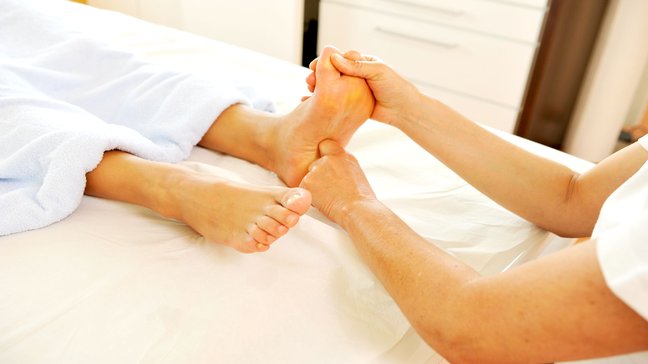
Reflexology, also known as reflex zone massage, is a holistic treatment method in which the entire body is positively influenced by stimulating certain reflex points on the feet, hands, or ears. This form of therapy is based on the assumption that…

Balneotherapy
Balneotherapy is a therapeutic treatment method based on the use of natural healing sources such as thermal water, mineral water, and mud baths. This form of therapy is often used to relieve pain, promote healing, and improve overall well-being. The…

Acupuncture
Acupuncture is a central component of Traditional Chinese Medicine (TCM) and is based on the targeted stimulation of acupuncture points to harmonize the energetic balance (Qi) in the body. In Western medicine, the effect of acupuncture is explained…
Hypnotherapy
When is hypnotherapy used?
Hypnotherapy is used for various complaints and for general health promotion, including:
- Mental illnesses: Depression, anxiety disorders, phobias, post-traumatic stress disorder (PTSD)
- Pain therapy: Chronic pain, migraines, fibromyalgia
- Addiction treatment: Smoking cessation, alcohol and drug addiction
- Sleep disorders: Insomnia, sleeplessness, nightmares
- Stress management: Stress, burnout, exam anxiety
- Eating disorders: Overweight, anorexia, bulimia
- Rehabilitation: Support for healing after surgeries or injuries
Advantages of Hypnotherapy
- Pain relief: Can effectively alleviate chronic pain and migraines.
- Stress reduction: Promotes deep relaxation and helps reduce stress and anxiety.
- Behavioral change: Supports the change of harmful behavior patterns and habits.
- Improvement of sleep: Helps treat sleep disorders and improves sleep quality.
- Support for mental illnesses: Can alleviate symptoms of depression, anxiety disorders, and PTSD.
- Holistic approach: Considers the patient as a whole and promotes overall well-being.
Conducting Hypnotherapy
- Examination: The hypnotherapist conducts a thorough medical history to identify the patient's exact needs and complaints.
- Introduction to Hypnosis: The therapist explains the process of hypnosis and answers any questions the patient may have.
- Induction: The therapist guides the patient through a series of relaxation techniques to achieve a hypnotic state.
- Suggestion: During hypnosis, the therapist gives targeted suggestions to promote behavioral changes or alleviate pain.
- Resolution of Hypnosis: The therapist gently guides the patient out of the hypnotic state back to normal consciousness.
- Duration of Treatment: A session usually lasts between 45 and 90 minutes.
- Frequency of Sessions: Depending on the type and severity of the complaints, several sessions may be necessary.
What you need to consider before hypnotherapy
- Health issues: Inform the hypnotherapist about existing health problems and mental illnesses.
- Medications: Inform the hypnotherapist about any medications you are taking that could affect your mental or physical performance.
- Goals: Consider what goals you want to achieve before the therapy to discuss them with the therapist.
Debriefing and Consultation
After the hypnotherapy, the hypnotherapist will discuss the results and your reaction to the treatment. The hypnotherapist will assess whether further sessions are necessary and how hypnotherapy can be integrated into the overall treatment plan. Additional recommendations may include relaxation exercises, specific techniques for everyday life, or other therapeutic measures to optimize the results.
Dear patient!
Unfortunately, we are not currently offering therapy for this condition at our center. However, we warmly invite you to schedule an appointment so that we can assess your situation individually. Often, different therapeutic approaches are suitable for a specific situation. We will be happy to recommend, if necessary, a specialist physician or an appropriate center that can alternatively assist you directly.
Schedule an appointment
Mirror therapy
Mirror therapy is an innovative and non-invasive form of therapy that was originally developed to treat phantom pain in amputees. Today, it is also used for other types of pain and movement disorders. The therapy uses a mirror image of the healthy…
Reflex zone therapy
Reflexology, also known as reflex zone massage, is a holistic treatment method in which the entire body is positively influenced by stimulating certain reflex points on the feet, hands, or ears. This form of therapy is based on the assumption that…
Balneotherapy
Balneotherapy is a therapeutic treatment method based on the use of natural healing sources such as thermal water, mineral water, and mud baths. This form of therapy is often used to relieve pain, promote healing, and improve overall well-being. The…
Acupuncture
Acupuncture is a central component of Traditional Chinese Medicine (TCM) and is based on the targeted stimulation of acupuncture points to harmonize the energetic balance (Qi) in the body. In Western medicine, the effect of acupuncture is explained…