

Mirror therapy
When is mirror therapy used?
Mirror therapy is used for various conditions and rehabilitation, including:
- Phantom pain: Pain in an amputated limb
- Stroke rehabilitation: Improvement of mobility and function of the affected side
- Complex regional pain syndrome (CRPS): Reduction of pain and improvement of mobility
- Pain after injuries: Treatment of chronic pain and movement disorders
- Neuropathic pain: Pain caused by nerve damage
- Movement disorders: Improvement of motor skills in neurological diseases
Advantages of mirror therapy
- Pain relief: Can effectively reduce pain, especially phantom pain.
- Improvement of mobility: Supports the restoration of motor skills and coordination.
- Non-invasive: No side effects and no need for medication.
- Easy application: Can be easily performed at home or in a clinical setting.
- Cost-effective: Requires only minimal equipment and is therefore cost-effective.
- Promotion of healing: Supports rehabilitation after injuries and surgeries.
Conducting Mirror Therapy
- Examination: The therapist conducts a thorough medical history and assessment of the complaints to identify the patient's exact needs.
- Preparation: A mirror is positioned so that the healthy limb is visible in the mirror, while the affected limb is hidden behind the mirror.
- Treatment: The patient performs movements with the healthy limb while observing the mirror image, which looks as if the affected limb is also moving.
- Exercises: Various exercises for movement coordination and pain reduction are performed.
- Duration of treatment: A session usually lasts between 15 and 30 minutes.
- Frequency of sessions: Depending on the type and severity of the complaints, daily or multiple weekly sessions may be required.
What you need to consider before mirror therapy
- Health issues: Inform the therapist about existing health problems, especially neurological disorders or injuries.
- Medications: Inform the therapist about any medications you are taking that could affect your physical response to the therapy.
- Goals: Consider what goals you want to achieve before the therapy to discuss them with the therapist.
Debriefing and Consultation
After mirror therapy, the therapist will discuss the results and your reaction to the treatment. The therapist will assess whether further sessions are necessary and how mirror therapy can be integrated into the overall treatment plan. Additional recommendations may include physiotherapy measures, specific exercises, or adjustments in daily life to optimize the results.
Dear patient!
Unfortunately, we are not currently offering therapy for this condition at our center. However, we warmly invite you to schedule an appointment so that we can assess your situation individually. Often, different therapeutic approaches are suitable for a specific situation. We will be happy to recommend, if necessary, a specialist physician or an appropriate center that can alternatively assist you directly.
Schedule an appointment
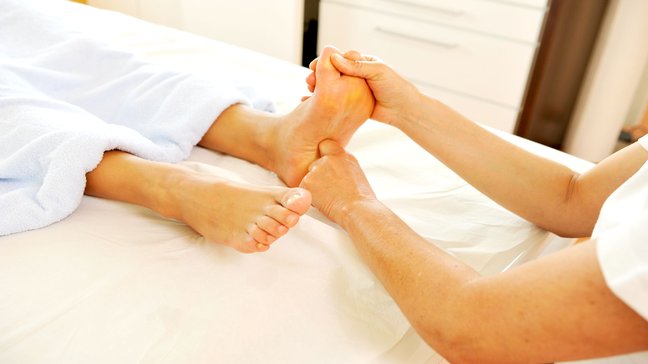
Reflex zone therapy
Reflexology, also known as reflex zone massage, is a holistic treatment method in which the entire body is positively influenced by stimulating certain reflex points on the feet, hands, or ears. This form of therapy is based on the assumption that…
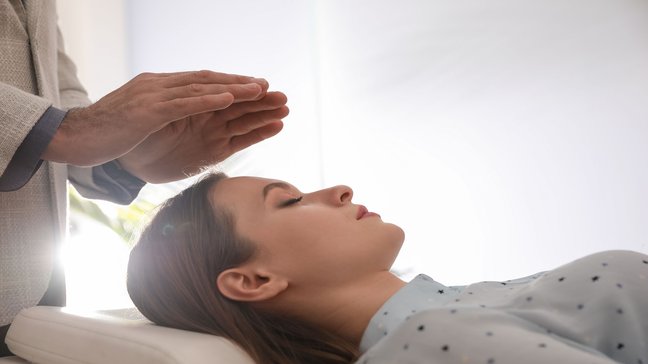
Hypnotherapy
Hypnotherapie ist eine therapeutische Methode, bei der Hypnose verwendet wird, um tiefe Entspannungszustände zu erreichen und das Unterbewusstsein des Patienten anzusprechen. Diese Therapieform wird häufig zur Behandlung von psychischen, emotionalen…
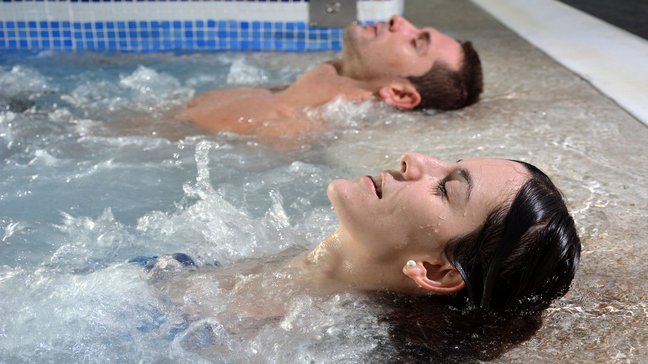
Balneotherapy
Balneotherapy is a therapeutic treatment method based on the use of natural healing sources such as thermal water, mineral water, and mud baths. This form of therapy is often used to relieve pain, promote healing, and improve overall well-being. The…

Orthopedic custom-made shoes
Orthopedic custom-made shoes are individually crafted shoes tailored specifically to the needs of the patient. They provide optimal support and relief for people with foot deformities, chronic pain, or other orthopedic issues. Their custom fit…
Mirror therapy
When is mirror therapy used?
Mirror therapy is used for various conditions and rehabilitation, including:
- Phantom pain: Pain in an amputated limb
- Stroke rehabilitation: Improvement of mobility and function of the affected side
- Complex regional pain syndrome (CRPS): Reduction of pain and improvement of mobility
- Pain after injuries: Treatment of chronic pain and movement disorders
- Neuropathic pain: Pain caused by nerve damage
- Movement disorders: Improvement of motor skills in neurological diseases
Advantages of mirror therapy
- Pain relief: Can effectively reduce pain, especially phantom pain.
- Improvement of mobility: Supports the restoration of motor skills and coordination.
- Non-invasive: No side effects and no need for medication.
- Easy application: Can be easily performed at home or in a clinical setting.
- Cost-effective: Requires only minimal equipment and is therefore cost-effective.
- Promotion of healing: Supports rehabilitation after injuries and surgeries.
Conducting Mirror Therapy
- Examination: The therapist conducts a thorough medical history and assessment of the complaints to identify the patient's exact needs.
- Preparation: A mirror is positioned so that the healthy limb is visible in the mirror, while the affected limb is hidden behind the mirror.
- Treatment: The patient performs movements with the healthy limb while observing the mirror image, which looks as if the affected limb is also moving.
- Exercises: Various exercises for movement coordination and pain reduction are performed.
- Duration of treatment: A session usually lasts between 15 and 30 minutes.
- Frequency of sessions: Depending on the type and severity of the complaints, daily or multiple weekly sessions may be required.
What you need to consider before mirror therapy
- Health issues: Inform the therapist about existing health problems, especially neurological disorders or injuries.
- Medications: Inform the therapist about any medications you are taking that could affect your physical response to the therapy.
- Goals: Consider what goals you want to achieve before the therapy to discuss them with the therapist.
Debriefing and Consultation
After mirror therapy, the therapist will discuss the results and your reaction to the treatment. The therapist will assess whether further sessions are necessary and how mirror therapy can be integrated into the overall treatment plan. Additional recommendations may include physiotherapy measures, specific exercises, or adjustments in daily life to optimize the results.
Dear patient!
Unfortunately, we are not currently offering therapy for this condition at our center. However, we warmly invite you to schedule an appointment so that we can assess your situation individually. Often, different therapeutic approaches are suitable for a specific situation. We will be happy to recommend, if necessary, a specialist physician or an appropriate center that can alternatively assist you directly.
Schedule an appointment
Reflex zone therapy
Reflexology, also known as reflex zone massage, is a holistic treatment method in which the entire body is positively influenced by stimulating certain reflex points on the feet, hands, or ears. This form of therapy is based on the assumption that…
Hypnotherapy
Hypnotherapie ist eine therapeutische Methode, bei der Hypnose verwendet wird, um tiefe Entspannungszustände zu erreichen und das Unterbewusstsein des Patienten anzusprechen. Diese Therapieform wird häufig zur Behandlung von psychischen, emotionalen…
Balneotherapy
Balneotherapy is a therapeutic treatment method based on the use of natural healing sources such as thermal water, mineral water, and mud baths. This form of therapy is often used to relieve pain, promote healing, and improve overall well-being. The…
Orthopedic custom-made shoes
Orthopedic custom-made shoes are individually crafted shoes tailored specifically to the needs of the patient. They provide optimal support and relief for people with foot deformities, chronic pain, or other orthopedic issues. Their custom fit…