

Acupuncture
When is acupuncture used?
Acupuncture has proven effective for various ailments:
- Chronic back and neck pain: Targeted needle stimulation along the spine can relieve muscle tension, improve circulation, and have anti-inflammatory effects.
- Migraines and headaches: By stimulating specific points in the head and neck area, tension headaches can be alleviated and the frequency of migraine attacks reduced.
- Joint complaints and osteoarthritis: Acupuncture can reduce pain in affected joints and improve mobility.
- Stress, anxiety, and sleep disorders: Acupuncture can regulate the nervous system, lower cortisol levels, and thus contribute to better relaxation and sleep quality.
- Digestive problems: By stimulating certain points, the gastrointestinal function can be regulated, which can be supportive for conditions like irritable bowel syndrome.
Benefits of Acupuncture
- Pain relief: The release of endorphins positively influences pain transmission and can alleviate chronic pain, muscle tension, and joint discomfort.
- Holistic effect: Acupuncture views the body as a whole and can not only specifically treat symptoms but also improve overall well-being.
- Low side effects: Unlike medications, acupuncture is a natural method without the risk of dependency or side effects such as gastrointestinal issues.
- Individual adaptation: The treatment is tailored to the patient's individual complaints and specifically performed at specific acupuncture points.
Procedures and Methods of Acupuncture
An acupuncture session begins with a detailed medical history to determine the individual acupuncture points. There are various techniques within acupuncture:
- Classical body acupuncture: Needles are placed at specific points on the body to release blockages.
- Ear acupuncture: Targeted stimulation of points on the ear can support the regulation of internal organs.
- Moxibustion: Warming of acupuncture points with mugwort to stimulate energy circulation.
- Scalp acupuncture: Often used for neurological disorders or pain treatment.
Recommendations before and after the treatment
Before acupuncture, the patient should inform the therapist about existing conditions and medications. After the treatment, it is advisable to avoid physical exertion and give the body rest for optimal effect.
Case Studies from Practice
- Chronic back pain: Patients who regularly receive acupuncture treatments often report a significant reduction in pain and an improvement in mobility after just a few sessions.
- Migraine and tension headaches: Many patients experience a reduction in migraine attacks and relief from tension headaches through acupuncture.
- Sleep disorders and stress: In numerous cases, acupuncture has contributed to improved sleep quality and a significant reduction in stress, positively affecting overall well-being.
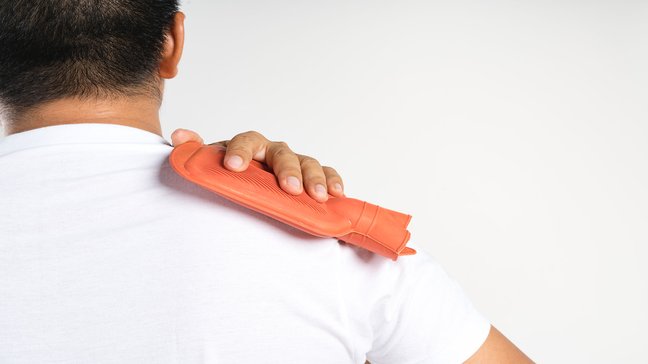
Home Remedies in Pain Therapy
Home remedies can be an effective and natural complement to conventional pain therapy. They offer simple and accessible ways to relieve pain and promote overall well-being. Here are some common home remedies and their applications in pain therapy.

Ultrasound-guided pain therapy
Ultrasound-guided pain therapy is a precise and effective treatment method for alleviating pain, using imaging techniques such as ultrasound to determine the exact position of the injection. This method is often used to treat chronic pain,…
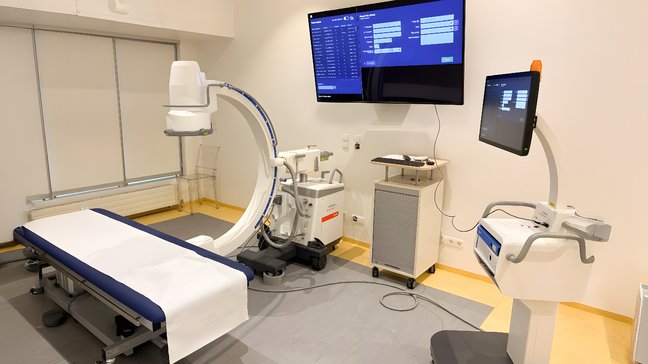
X-ray guided pain therapy
X-ray-guided pain therapy is a precise and effective treatment method for relieving pain. Imaging techniques such as X-rays are used to determine the exact location of the injection. This method is commonly used to treat chronic pain, particularly…

PRP therapy (autologous plasma)
PRP therapy (platelet-rich plasma) is an innovative treatment method that uses the patient's own blood to support healing processes in the body. The blood is processed to isolate the platelet-rich plasma, which is then injected into the affected…
Acupuncture
When is acupuncture used?
Acupuncture has proven effective for various ailments:
- Chronic back and neck pain: Targeted needle stimulation along the spine can relieve muscle tension, improve circulation, and have anti-inflammatory effects.
- Migraines and headaches: By stimulating specific points in the head and neck area, tension headaches can be alleviated and the frequency of migraine attacks reduced.
- Joint complaints and osteoarthritis: Acupuncture can reduce pain in affected joints and improve mobility.
- Stress, anxiety, and sleep disorders: Acupuncture can regulate the nervous system, lower cortisol levels, and thus contribute to better relaxation and sleep quality.
- Digestive problems: By stimulating certain points, the gastrointestinal function can be regulated, which can be supportive for conditions like irritable bowel syndrome.
Benefits of Acupuncture
- Pain relief: The release of endorphins positively influences pain transmission and can alleviate chronic pain, muscle tension, and joint discomfort.
- Holistic effect: Acupuncture views the body as a whole and can not only specifically treat symptoms but also improve overall well-being.
- Low side effects: Unlike medications, acupuncture is a natural method without the risk of dependency or side effects such as gastrointestinal issues.
- Individual adaptation: The treatment is tailored to the patient's individual complaints and specifically performed at specific acupuncture points.
Procedures and Methods of Acupuncture
An acupuncture session begins with a detailed medical history to determine the individual acupuncture points. There are various techniques within acupuncture:
- Classical body acupuncture: Needles are placed at specific points on the body to release blockages.
- Ear acupuncture: Targeted stimulation of points on the ear can support the regulation of internal organs.
- Moxibustion: Warming of acupuncture points with mugwort to stimulate energy circulation.
- Scalp acupuncture: Often used for neurological disorders or pain treatment.
Recommendations before and after the treatment
Before acupuncture, the patient should inform the therapist about existing conditions and medications. After the treatment, it is advisable to avoid physical exertion and give the body rest for optimal effect.
Case Studies from Practice
- Chronic back pain: Patients who regularly receive acupuncture treatments often report a significant reduction in pain and an improvement in mobility after just a few sessions.
- Migraine and tension headaches: Many patients experience a reduction in migraine attacks and relief from tension headaches through acupuncture.
- Sleep disorders and stress: In numerous cases, acupuncture has contributed to improved sleep quality and a significant reduction in stress, positively affecting overall well-being.
Home Remedies in Pain Therapy
Home remedies can be an effective and natural complement to conventional pain therapy. They offer simple and accessible ways to relieve pain and promote overall well-being. Here are some common home remedies and their applications in pain therapy.
Ultrasound-guided pain therapy
Ultrasound-guided pain therapy is a precise and effective treatment method for alleviating pain, using imaging techniques such as ultrasound to determine the exact position of the injection. This method is often used to treat chronic pain,…
X-ray guided pain therapy
X-ray-guided pain therapy is a precise and effective treatment method for relieving pain. Imaging techniques such as X-rays are used to determine the exact location of the injection. This method is commonly used to treat chronic pain, particularly…
PRP therapy (autologous plasma)
PRP therapy (platelet-rich plasma) is an innovative treatment method that uses the patient's own blood to support healing processes in the body. The blood is processed to isolate the platelet-rich plasma, which is then injected into the affected…