

Bursitis (Olecranon bursitis)
Classification of olecranon bursitis
The olecranon bursitis is classified according to cause and course:
1. **Acute bursitis:** Sudden onset inflammation, often caused by trauma or infections.
2. **Chronic bursitis:** Recurrent or long-lasting inflammation, often due to constant mechanical stress.
3. **Aseptic bursitis:** Non-infectious inflammation, usually caused by mechanical irritation or overload.
4. **Septic bursitis:** Infectious inflammation caused by bacteria, often with fever and severe local symptoms.
5. **Traumatic bursitis:** Arises from bruises or injuries to the elbow.
Causes of bursitis
The causes of olecranon bursitis can be divided into mechanical, inflammatory, and infectious factors:
- Mechanical stimuli:
- Repeated pressure load, for example, during kneeling or supporting activities ("student's elbow").
- Traumatic events such as bumps or bruises.
- Inflammatory diseases:
- Rheumatoid arthritis, gout, or other systemic diseases.
- Infections:
- Bacterial infections that penetrate through open wounds or injections into the bursa.
- Risk factors:
- Chronic stress, anatomical misalignments, or poor circulation.
Symptoms of bursitis
The symptoms vary depending on the severity and cause of the inflammation, but typically include:
- Swelling: Visible and palpable swelling in the area of the elbow, often soft and fluid-filled.
- Pain: Local pain that increases with pressure or movement.
- Redness and overheating: Signs of acute inflammation, especially in septic bursitis.
- Movement restrictions: Difficulty in extending or bending the arm.
- General symptoms: Fever, weakness, or general feeling of illness in the case of an infectious cause.
Diagnosis of bursitis
The diagnosis is based on a thorough medical history, clinical examination, and, if necessary, supplementary procedures:
- Medical history:
- Recording the duration of the illness, possible triggers (injuries or overuse), and pre-existing conditions.
- Physical examination:
- Visible and palpable assessment of swelling, redness, and tenderness.
- Imaging:
- Ultrasound: Visualization of fluid accumulations in the bursa.
- X-ray: Exclusion of bone injuries or calcifications.
- MRI: Detailed assessment of chronic or complicated cases.
- Laboratory tests:
- Blood tests to detect inflammation markers and infections.
- Aspiration of the bursa to analyze the fluid in case of suspected septic bursitis.
Treatment options for bursitis
Conservative Therapy
In most cases, olecranon bursitis can be successfully treated without surgery:
- Immobilization and Relief:
- Avoidance of strenuous activities and use of elbow protectors.
- Medication Therapy:
- NSAIDs: To relieve pain and inflammation.
- Antibiotics for infectious bursitis.
- Local Applications:
- Cold treatment for acute symptoms to reduce swelling.
- Heat therapy for chronic complaints to promote blood circulation.
- Aspiration: Removal of excess fluid to relieve pressure.
- Physiotherapy: Promotion of mobility and strengthening of the elbow after the acute phase subsides.
Surgical Therapy
In complicated or recurrent cases, surgery may be necessary:
- Bursectomy: Surgical removal of the inflamed bursa.
- Debridement: Cleaning and removal of infected or necrotic tissue.
- Reconstruction: Restoration of function in cases of severe damage.
Preventive measures for bursitis
To prevent and alleviate the symptoms of olecranon bursitis, the following measures are recommended:
- Pressure relief: Use of elbow protectors or pads during strenuous activities.
- Regular exercise: Promoting joint flexibility and stability through targeted training.
- Avoiding overexertion: Limiting repeated pressure or impact loads.
- Healthy lifestyle: Treatment of underlying inflammatory conditions such as rheumatism or gout.
- Early treatment: Immediate medical consultation at the first signs of swelling or pain.
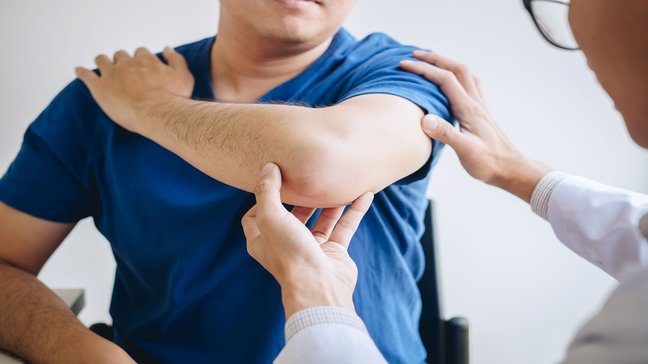
Ulnar nerve sulcus syndrome (elbow tingling)
The ulnar nerve sulcus syndrome, colloquially known as elbow tingling, is a common nerve compression disorder where the ulnar nerve is constricted in the area of the elbow (sulcus nervi ulnaris). This compression leads to abnormal sensations, pain,…
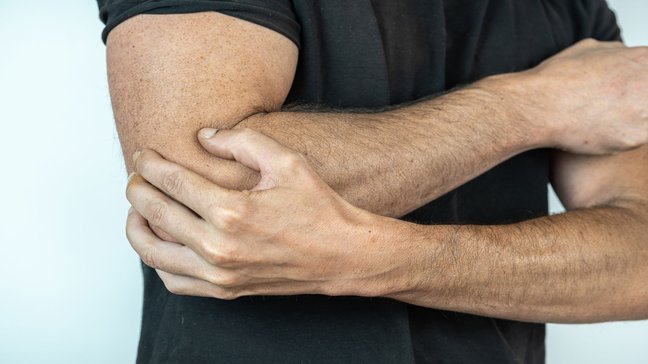
Olecranon spur
An olecranon spur is a bony growth on the olecranon, the upper end of the ulna in the elbow area. These changes usually arise from chronic irritation or mechanical overload. The olecranon spur can cause pain and restricted movement, especially during…

Tennis elbow (lateral epicondylitis)
Tennis elbow, medically referred to as lateral epicondylitis, is a common condition where the tendon attachments of the forearm extensor muscles at the lateral (outer) epicondyle of the upper arm are inflamed or irritated. The condition often occurs…
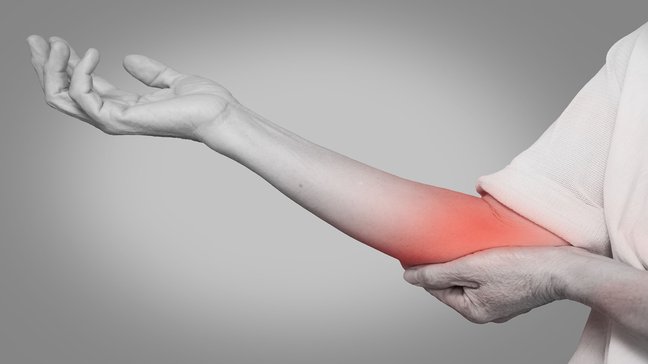
Rupture of the ulnar collateral ligament (UCL rupture)
A rupture of the ulnar collateral ligament (UCL rupture) is an injury to the ligament that connects the humerus (upper arm bone) to the ulna (forearm bone) in the area of the elbow joint. The UCL is crucial for the stability of the elbow, especially…
Bursitis (Olecranon bursitis)
Classification of olecranon bursitis
The olecranon bursitis is classified according to cause and course:
1. **Acute bursitis:** Sudden onset inflammation, often caused by trauma or infections.
2. **Chronic bursitis:** Recurrent or long-lasting inflammation, often due to constant mechanical stress.
3. **Aseptic bursitis:** Non-infectious inflammation, usually caused by mechanical irritation or overload.
4. **Septic bursitis:** Infectious inflammation caused by bacteria, often with fever and severe local symptoms.
5. **Traumatic bursitis:** Arises from bruises or injuries to the elbow.
Causes of bursitis
The causes of olecranon bursitis can be divided into mechanical, inflammatory, and infectious factors:
- Mechanical stimuli:
- Repeated pressure load, for example, during kneeling or supporting activities ("student's elbow").
- Traumatic events such as bumps or bruises.
- Inflammatory diseases:
- Rheumatoid arthritis, gout, or other systemic diseases.
- Infections:
- Bacterial infections that penetrate through open wounds or injections into the bursa.
- Risk factors:
- Chronic stress, anatomical misalignments, or poor circulation.
Symptoms of bursitis
The symptoms vary depending on the severity and cause of the inflammation, but typically include:
- Swelling: Visible and palpable swelling in the area of the elbow, often soft and fluid-filled.
- Pain: Local pain that increases with pressure or movement.
- Redness and overheating: Signs of acute inflammation, especially in septic bursitis.
- Movement restrictions: Difficulty in extending or bending the arm.
- General symptoms: Fever, weakness, or general feeling of illness in the case of an infectious cause.
Diagnosis of bursitis
The diagnosis is based on a thorough medical history, clinical examination, and, if necessary, supplementary procedures:
- Medical history:
- Recording the duration of the illness, possible triggers (injuries or overuse), and pre-existing conditions.
- Physical examination:
- Visible and palpable assessment of swelling, redness, and tenderness.
- Imaging:
- Ultrasound: Visualization of fluid accumulations in the bursa.
- X-ray: Exclusion of bone injuries or calcifications.
- MRI: Detailed assessment of chronic or complicated cases.
- Laboratory tests:
- Blood tests to detect inflammation markers and infections.
- Aspiration of the bursa to analyze the fluid in case of suspected septic bursitis.
Treatment options for bursitis
Conservative Therapy
In most cases, olecranon bursitis can be successfully treated without surgery:
- Immobilization and Relief:
- Avoidance of strenuous activities and use of elbow protectors.
- Medication Therapy:
- NSAIDs: To relieve pain and inflammation.
- Antibiotics for infectious bursitis.
- Local Applications:
- Cold treatment for acute symptoms to reduce swelling.
- Heat therapy for chronic complaints to promote blood circulation.
- Aspiration: Removal of excess fluid to relieve pressure.
- Physiotherapy: Promotion of mobility and strengthening of the elbow after the acute phase subsides.
Surgical Therapy
In complicated or recurrent cases, surgery may be necessary:
- Bursectomy: Surgical removal of the inflamed bursa.
- Debridement: Cleaning and removal of infected or necrotic tissue.
- Reconstruction: Restoration of function in cases of severe damage.
Preventive measures for bursitis
To prevent and alleviate the symptoms of olecranon bursitis, the following measures are recommended:
- Pressure relief: Use of elbow protectors or pads during strenuous activities.
- Regular exercise: Promoting joint flexibility and stability through targeted training.
- Avoiding overexertion: Limiting repeated pressure or impact loads.
- Healthy lifestyle: Treatment of underlying inflammatory conditions such as rheumatism or gout.
- Early treatment: Immediate medical consultation at the first signs of swelling or pain.
Ulnar nerve sulcus syndrome (elbow tingling)
The ulnar nerve sulcus syndrome, colloquially known as elbow tingling, is a common nerve compression disorder where the ulnar nerve is constricted in the area of the elbow (sulcus nervi ulnaris). This compression leads to abnormal sensations, pain,…
Olecranon spur
An olecranon spur is a bony growth on the olecranon, the upper end of the ulna in the elbow area. These changes usually arise from chronic irritation or mechanical overload. The olecranon spur can cause pain and restricted movement, especially during…
Tennis elbow (lateral epicondylitis)
Tennis elbow, medically referred to as lateral epicondylitis, is a common condition where the tendon attachments of the forearm extensor muscles at the lateral (outer) epicondyle of the upper arm are inflamed or irritated. The condition often occurs…
Rupture of the ulnar collateral ligament (UCL rupture)
A rupture of the ulnar collateral ligament (UCL rupture) is an injury to the ligament that connects the humerus (upper arm bone) to the ulna (forearm bone) in the area of the elbow joint. The UCL is crucial for the stability of the elbow, especially…