

Tear of the supraspinatus tendon
Classification of Supraspinatus Tendon Tears
Tears of the supraspinatus tendon are classified according to their size, type, and location:
- Partial tear: The tendon is only partially damaged, usually on the underside or top side.
- Complete tear: The tendon is completely severed, often accompanied by significant loss of function.
- Acute tear: Occurs due to sudden stress or injury, such as a fall.
- Degenerative tear: Develops gradually due to wear or chronic overuse.
- Massive tear: Several tendons of the rotator cuff are affected.
- Traumatic tear: Occurs after direct impact or severe injuries.
Causes of Supraspinatus Tendon Tear
The main causes of a tear in the supraspinatus tendon can be divided into acute and chronic factors:
- **Acute causes:**
- Sudden strains, for example when lifting heavy objects or during falls.
- Traumatic injuries from direct blows or falls on the shoulder.
- **Chronic causes:**
- Degenerative changes that occur with age or repeated overhead movements.
- Overuse from occupational or athletic activities, especially in sports like tennis or weightlifting.
- **Accompanying factors:**
- Impingement syndromes that additionally stress the tendon.
- Poor posture or weaknesses in the shoulder and back muscles.
Symptoms of supraspinatus tendon tear
The symptoms vary depending on the type and severity of the tear, but typically include:
- **Pain:** Sharp or pulling pain in the shoulder, especially with movements above shoulder height.
- **Loss of strength:** Difficulty lifting the arm or performing overhead work.
- **Movement restrictions:** Limited rotational and lifting movements of the arm.
- **Night pain:** Pain when lying on the affected side, disrupting sleep.
- **Cracking or snapping noises:** Occurring with movements, especially with complete tears.
Diagnosis of tear of the supraspinatus tendon
The diagnosis is made through a combination of medical history, physical examination, and imaging techniques:
- **Medical History:**
- The doctor inquires about the nature of the symptoms, possible injuries, and strenuous activities.
- **Physical Examination:**
- Special tests such as the Jobe test or the Neer test to check the supraspinatus function.
- Palpation of the shoulder for tenderness and movement restrictions.
- **Imaging:**
- **MRI:** Detailed depiction of tendon damage, fluid accumulations, and muscle atrophy.
- **Ultrasound:** Detection of tendon tears and fluid accumulations in the shoulder.
- **X-ray:** Exclusion of accompanying bone injuries or calcifications.
Treatment options for tear of the supraspinatus tendon
Conservative Therapy
For partial tears or minor symptoms, non-operative treatment is often sufficient:
- Medication Therapy:
- NSAIDs: To relieve pain and inflammation.
- Physiotherapy:
- Strengthening the rotator cuff and restoring mobility.
- Exercises to improve shoulder stability and coordination.
- Pain Management:
- Application of heat or cold therapy to relax the muscles.
- Injections:
- Corticosteroids to reduce inflammation in acute phases.
Surgical Therapy
For complete tears, persistent pain, or loss of function, surgery is necessary:
- Arthroscopic Repair: Minimally invasive technique to restore the tendon.
- Open Repair: Used for larger or more complex tears.
- Tendon Transfer: Replacement of the supraspinatus tendon with adjacent tendon tissue.
- Prosthesis: Use of shoulder prostheses for irreparable damage.
Preventive measures for rupture of the supraspinatus tendon
To prevent a tear of the supraspinatus tendon and to avoid relapses, the following measures are suitable:
- Shoulder strengthening: Targeted training of the rotator cuff and surrounding muscles.
- Warming up before activities: Preparing the shoulder for sports or occupational stresses.
- Avoiding overstrain: Protecting the shoulder during intense or repetitive stresses.
- Correction of poor posture: Improving body posture and movement patterns.
- Regular check-ups: Consult a doctor promptly at the first signs of discomfort or existing risk.
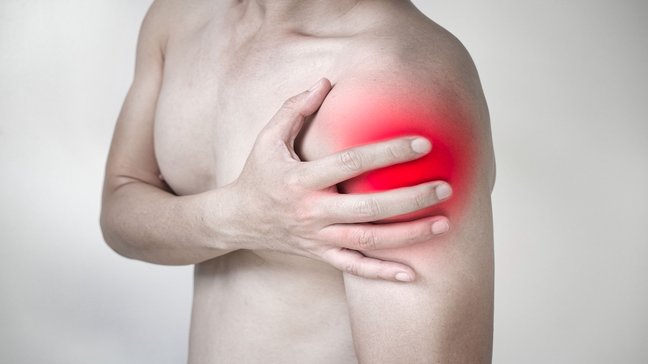
Rupture of the long biceps tendon
A tear of the long biceps tendon is a common injury that usually occurs due to acute overload or degenerative changes. The long biceps tendon connects the biceps muscle to the shoulder and plays an important role in the mobility and stability of the…
Calcific shoulder
Calcific shoulder, medically referred to as calcific tendinitis, is a condition where calcium deposits form in the tendons of the shoulder's rotator cuff. These deposits can lead to severe pain, restricted movement, and inflammation. Calcific…
Shoulder impingement
Shoulder impingement syndrome, also known as subacromial impingement, is a common cause of shoulder pain and movement restrictions. It involves a mechanical narrowing of structures, such as tendons or bursae, in the space beneath the bony shoulder…
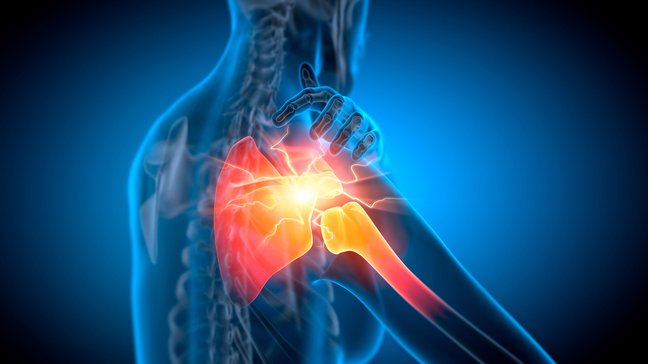
Labrum tear
A labrum tear describes a tear of the labrum, a cartilage-like structure that surrounds the joint socket and ensures the stability of the joint. This injury often occurs in the shoulder (glenoid labrum) or the hip (acetabular labrum) and is a common…
Tear of the supraspinatus tendon
Classification of Supraspinatus Tendon Tears
Tears of the supraspinatus tendon are classified according to their size, type, and location:
- Partial tear: The tendon is only partially damaged, usually on the underside or top side.
- Complete tear: The tendon is completely severed, often accompanied by significant loss of function.
- Acute tear: Occurs due to sudden stress or injury, such as a fall.
- Degenerative tear: Develops gradually due to wear or chronic overuse.
- Massive tear: Several tendons of the rotator cuff are affected.
- Traumatic tear: Occurs after direct impact or severe injuries.
Causes of Supraspinatus Tendon Tear
The main causes of a tear in the supraspinatus tendon can be divided into acute and chronic factors:
- **Acute causes:**
- Sudden strains, for example when lifting heavy objects or during falls.
- Traumatic injuries from direct blows or falls on the shoulder.
- **Chronic causes:**
- Degenerative changes that occur with age or repeated overhead movements.
- Overuse from occupational or athletic activities, especially in sports like tennis or weightlifting.
- **Accompanying factors:**
- Impingement syndromes that additionally stress the tendon.
- Poor posture or weaknesses in the shoulder and back muscles.
Symptoms of supraspinatus tendon tear
The symptoms vary depending on the type and severity of the tear, but typically include:
- **Pain:** Sharp or pulling pain in the shoulder, especially with movements above shoulder height.
- **Loss of strength:** Difficulty lifting the arm or performing overhead work.
- **Movement restrictions:** Limited rotational and lifting movements of the arm.
- **Night pain:** Pain when lying on the affected side, disrupting sleep.
- **Cracking or snapping noises:** Occurring with movements, especially with complete tears.
Diagnosis of tear of the supraspinatus tendon
The diagnosis is made through a combination of medical history, physical examination, and imaging techniques:
- **Medical History:**
- The doctor inquires about the nature of the symptoms, possible injuries, and strenuous activities.
- **Physical Examination:**
- Special tests such as the Jobe test or the Neer test to check the supraspinatus function.
- Palpation of the shoulder for tenderness and movement restrictions.
- **Imaging:**
- **MRI:** Detailed depiction of tendon damage, fluid accumulations, and muscle atrophy.
- **Ultrasound:** Detection of tendon tears and fluid accumulations in the shoulder.
- **X-ray:** Exclusion of accompanying bone injuries or calcifications.
Treatment options for tear of the supraspinatus tendon
Conservative Therapy
For partial tears or minor symptoms, non-operative treatment is often sufficient:
- Medication Therapy:
- NSAIDs: To relieve pain and inflammation.
- Physiotherapy:
- Strengthening the rotator cuff and restoring mobility.
- Exercises to improve shoulder stability and coordination.
- Pain Management:
- Application of heat or cold therapy to relax the muscles.
- Injections:
- Corticosteroids to reduce inflammation in acute phases.
Surgical Therapy
For complete tears, persistent pain, or loss of function, surgery is necessary:
- Arthroscopic Repair: Minimally invasive technique to restore the tendon.
- Open Repair: Used for larger or more complex tears.
- Tendon Transfer: Replacement of the supraspinatus tendon with adjacent tendon tissue.
- Prosthesis: Use of shoulder prostheses for irreparable damage.
Preventive measures for rupture of the supraspinatus tendon
To prevent a tear of the supraspinatus tendon and to avoid relapses, the following measures are suitable:
- Shoulder strengthening: Targeted training of the rotator cuff and surrounding muscles.
- Warming up before activities: Preparing the shoulder for sports or occupational stresses.
- Avoiding overstrain: Protecting the shoulder during intense or repetitive stresses.
- Correction of poor posture: Improving body posture and movement patterns.
- Regular check-ups: Consult a doctor promptly at the first signs of discomfort or existing risk.
Rupture of the long biceps tendon
A tear of the long biceps tendon is a common injury that usually occurs due to acute overload or degenerative changes. The long biceps tendon connects the biceps muscle to the shoulder and plays an important role in the mobility and stability of the…
Calcific shoulder
Calcific shoulder, medically referred to as calcific tendinitis, is a condition where calcium deposits form in the tendons of the shoulder's rotator cuff. These deposits can lead to severe pain, restricted movement, and inflammation. Calcific…
Shoulder impingement
Shoulder impingement syndrome, also known as subacromial impingement, is a common cause of shoulder pain and movement restrictions. It involves a mechanical narrowing of structures, such as tendons or bursae, in the space beneath the bony shoulder…
Labrum tear
A labrum tear describes a tear of the labrum, a cartilage-like structure that surrounds the joint socket and ensures the stability of the joint. This injury often occurs in the shoulder (glenoid labrum) or the hip (acetabular labrum) and is a common…