

Sacroiliac joint pain
Classification of Sacroiliac Joint Pain
ISG pain can be categorized based on cause and progression into different categories:
1. Mechanical ISG pain:
- Caused by poor posture, overuse, or trauma.
2. Inflammatory ISG pain:
- Due to inflammatory diseases such as ankylosing spondylitis.
3. Acute ISG pain:
- Sudden onset of symptoms after exertion or injury.
4. Chronic ISG pain:
- Long-lasting pain, often due to degenerative changes.
Causes of sacroiliac joint pain
The causes of SI joint pain are varied and can be mechanical, inflammatory, or traumatic:
- Misalignments:
- Different leg lengths or scoliosis lead to an asymmetrical load on the SI joint.
- Overload:
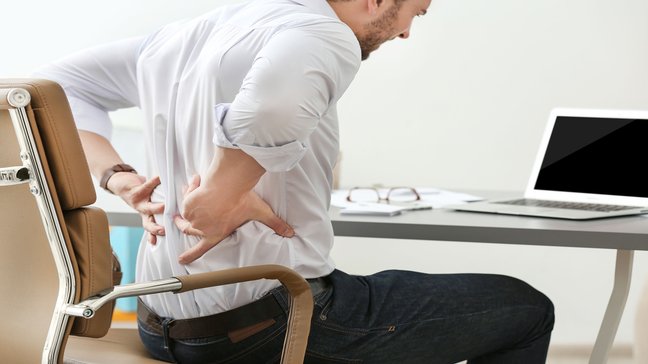
- Intensive physical activity, heavy lifting, or prolonged sitting strain the joint.
- Arthrosis:
- Degenerative changes in the SI joint due to age-related cartilage wear.
- Inflammatory diseases:
- Diseases like ankylosing spondylitis or rheumatoid arthritis cause inflammation in the joint.
- Pregnancy:
- Hormonal changes and the loosening of the ligamentous apparatus lead to increased mobility of the SI joint.
- Traumatic injuries:
- Falls or direct impacts can affect the SI joint.
Symptoms of sacroiliac joint pain
The symptoms depend on the cause and severity of the complaints:
- Local pain:
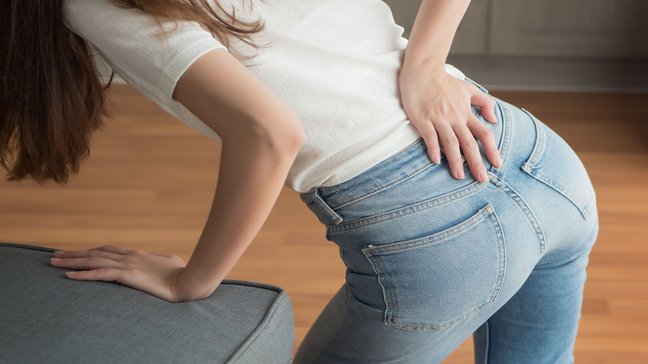
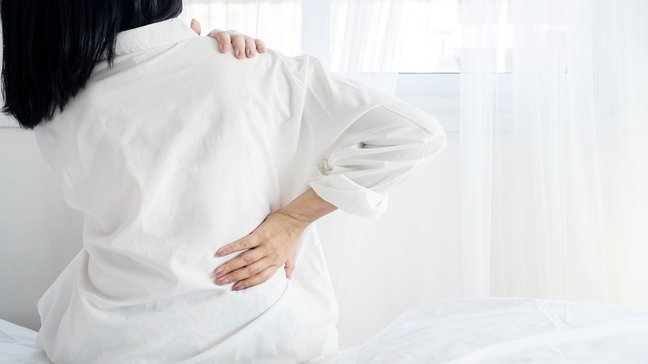
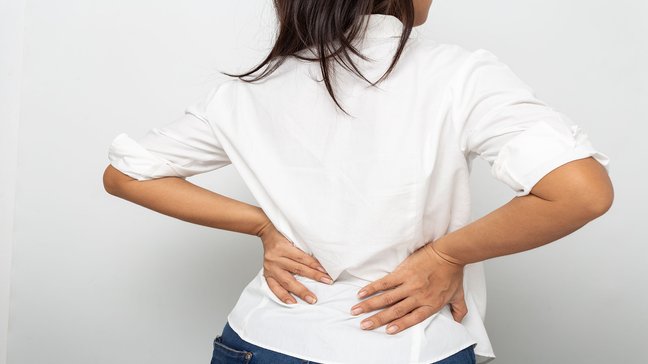
- Pain in the lower back, often on one side, which can radiate to the buttocks or thigh.
- Movement restrictions:
- Difficulties in standing up, walking, or bending the back.
- Tenderness:
- Pain when palpating the SI joint area.
- Stiffness:
- Pronounced stiffness in the pelvic area, especially in the morning or after prolonged periods of rest.
- Gait changes:
- Limping or an unsteady gait to avoid pain.
Diagnosis of sacroiliac joint pain
The diagnosis is based on a combination of medical history, clinical examination, and imaging techniques:
- Medical History:
- Collection of the medical history, including possible triggers such as injuries or inflammatory diseases.
- Clinical Examination:
- Tests such as the Lasègue test or the compression test to provoke pain in the SI joint.
- Imaging Techniques:
- X-ray: Visualization of arthritic changes or misalignments.
- MRI: Detection of inflammation or soft tissue damage.
- CT: Precise imaging of the bony structures.
Treatment options for sacroiliac joint pain
Conservative Therapy
Most SIJ pain can be successfully treated with conservative measures:
- Physiotherapy:
- Targeted exercises to stabilize the pelvis and strengthen the muscles.
- Medication Therapy:
- Painkillers and anti-inflammatory drugs (NSAIDs) to relieve symptoms.
- Manual Therapy:
- Mobilization techniques to restore mobility in the SIJ.
- Injections:
- Cortisone or hyaluronic acid injections to reduce pain and inflammation.
- Heat or Cold Applications:
- Application of heat packs or cold compresses depending on the symptoms.
Surgical Therapy
In cases of chronic or therapy-resistant SIJ pain, surgery may be necessary:
- Denervation:
- Disabling the pain pathways in the SIJ through minimally invasive procedures.
- Arthrodesis:
- Fusion of the sacroiliac joint in cases of irreversible damage.
Preventive measures for sacroiliac joint pain
To prevent SIJ pain, the following measures are recommended:
- Ergonomic posture: Avoidance of poor posture through correct sitting and lifting.
- Regular exercise: Promotion of joint health through sports such as yoga or swimming.
- Strengthening of the core muscles: Targeted exercises to stabilize the back and pelvis.
- Avoidance of overexertion: Limiting intense physical activities and heavy lifting tasks.
- Early treatment: Consult a doctor early at the first signs of discomfort.
Vertebral fracture
A vertebral fracture or vertebral fracture refers to a fracture of one or more vertebral bodies of the spine. This injury can be caused by acute trauma, such as falls or traffic accidents, or by pathological processes such as osteoporosis or tumors.…
Spondylosis
Spondylosis is a degenerative disease of the spine characterized by wear processes on the vertebral bodies, intervertebral discs, and adjacent structures such as the facet joints. It often occurs in older people and can restrict the mobility of the…
Spondylolisthesis (vertebral slipping)
Spondylolisthesis, also known as vertebral slipping, is a condition of the spine in which one vertebral body slips forward or backward relative to the vertebra below it. This misalignment can lead to back pain, restricted movement, and neurological…
Spondylarthrosis
Spondylarthrosis is a degenerative disease of the vertebral joints (facet joints) caused by the wear and tear of cartilage and adjacent structures. It is one of the most common causes of back pain, especially in older people. As the disease…
Sacroiliac joint pain
Classification of Sacroiliac Joint Pain
ISG pain can be categorized based on cause and progression into different categories:
1. Mechanical ISG pain:
- Caused by poor posture, overuse, or trauma.
2. Inflammatory ISG pain:
- Due to inflammatory diseases such as ankylosing spondylitis.
3. Acute ISG pain:
- Sudden onset of symptoms after exertion or injury.
4. Chronic ISG pain:
- Long-lasting pain, often due to degenerative changes.
Causes of sacroiliac joint pain
The causes of SI joint pain are varied and can be mechanical, inflammatory, or traumatic:
- Misalignments:
- Different leg lengths or scoliosis lead to an asymmetrical load on the SI joint.
- Overload:
- Intensive physical activity, heavy lifting, or prolonged sitting strain the joint.
- Arthrosis:
- Degenerative changes in the SI joint due to age-related cartilage wear.
- Inflammatory diseases:
- Diseases like ankylosing spondylitis or rheumatoid arthritis cause inflammation in the joint.
- Pregnancy:
- Hormonal changes and the loosening of the ligamentous apparatus lead to increased mobility of the SI joint.
- Traumatic injuries:
- Falls or direct impacts can affect the SI joint.
Symptoms of sacroiliac joint pain
The symptoms depend on the cause and severity of the complaints:
- Local pain:
- Pain in the lower back, often on one side, which can radiate to the buttocks or thigh.
- Movement restrictions:
- Difficulties in standing up, walking, or bending the back.
- Tenderness:
- Pain when palpating the SI joint area.
- Stiffness:
- Pronounced stiffness in the pelvic area, especially in the morning or after prolonged periods of rest.
- Gait changes:
- Limping or an unsteady gait to avoid pain.
Diagnosis of sacroiliac joint pain
The diagnosis is based on a combination of medical history, clinical examination, and imaging techniques:
- Medical History:
- Collection of the medical history, including possible triggers such as injuries or inflammatory diseases.
- Clinical Examination:
- Tests such as the Lasègue test or the compression test to provoke pain in the SI joint.
- Imaging Techniques:
- X-ray: Visualization of arthritic changes or misalignments.
- MRI: Detection of inflammation or soft tissue damage.
- CT: Precise imaging of the bony structures.
Treatment options for sacroiliac joint pain
Conservative Therapy
Most SIJ pain can be successfully treated with conservative measures:
- Physiotherapy:
- Targeted exercises to stabilize the pelvis and strengthen the muscles.
- Medication Therapy:
- Painkillers and anti-inflammatory drugs (NSAIDs) to relieve symptoms.
- Manual Therapy:
- Mobilization techniques to restore mobility in the SIJ.
- Injections:
- Cortisone or hyaluronic acid injections to reduce pain and inflammation.
- Heat or Cold Applications:
- Application of heat packs or cold compresses depending on the symptoms.
Surgical Therapy
In cases of chronic or therapy-resistant SIJ pain, surgery may be necessary:
- Denervation:
- Disabling the pain pathways in the SIJ through minimally invasive procedures.
- Arthrodesis:
- Fusion of the sacroiliac joint in cases of irreversible damage.
Preventive measures for sacroiliac joint pain
To prevent SIJ pain, the following measures are recommended:
- Ergonomic posture: Avoidance of poor posture through correct sitting and lifting.
- Regular exercise: Promotion of joint health through sports such as yoga or swimming.
- Strengthening of the core muscles: Targeted exercises to stabilize the back and pelvis.
- Avoidance of overexertion: Limiting intense physical activities and heavy lifting tasks.
- Early treatment: Consult a doctor early at the first signs of discomfort.
Vertebral fracture
A vertebral fracture or vertebral fracture refers to a fracture of one or more vertebral bodies of the spine. This injury can be caused by acute trauma, such as falls or traffic accidents, or by pathological processes such as osteoporosis or tumors.…
Spondylosis
Spondylosis is a degenerative disease of the spine characterized by wear processes on the vertebral bodies, intervertebral discs, and adjacent structures such as the facet joints. It often occurs in older people and can restrict the mobility of the…
Spondylolisthesis (vertebral slipping)
Spondylolisthesis, also known as vertebral slipping, is a condition of the spine in which one vertebral body slips forward or backward relative to the vertebra below it. This misalignment can lead to back pain, restricted movement, and neurological…
Spondylarthrosis
Spondylarthrosis is a degenerative disease of the vertebral joints (facet joints) caused by the wear and tear of cartilage and adjacent structures. It is one of the most common causes of back pain, especially in older people. As the disease…