

Frozen Shoulder
Classification of Frozen Shoulder
The frozen shoulder is divided into two main types:
- Primary (idiopathic) frozen shoulder:
- The cause is unknown. This form develops without identifiable triggers and often occurs spontaneously.
- Secondary frozen shoulder:
- This form arises as a result of another condition or trauma. Common triggers include injuries, shoulder surgeries, or systemic diseases such as diabetes mellitus or thyroid disorders.
Causes of Frozen Shoulder
The exact cause of primary frozen shoulder is unclear, but in the secondary form, there are specific factors that can promote its development:
- Injuries or surgeries:
- Shoulder injuries, such as rotator cuff tears, or surgeries can lead to inflammation and subsequent stiffness in the shoulder joint.
- Systemic diseases:
- Diseases such as diabetes mellitus, rheumatoid arthritis, or thyroid disorders increase the risk.
- Immobilization:
- Prolonged immobilization of the shoulder, for example after a fracture, favors the development of the condition.
- Inflammatory processes:
- Chronic inflammation of the joint capsule leads to the formation of scar tissue and adhesions that restrict mobility.
Symptoms of Frozen Shoulder
The symptoms of frozen shoulder typically develop in three phases:
1. **Freezing Phase:**
- Duration: 2 to 9 months
- Intense pain that worsens at night and with movement. The mobility of the shoulder begins to become restricted.
2. **Frozen Phase:**
- Duration: 4 to 12 months
- The pain decreases, but mobility remains severely restricted. Everyday activities like dressing or raising the arms become difficult.
3. **Thawing Phase:**
- Duration: 6 months to 2 years
- Mobility gradually improves, and the pain continues to decrease.
Additionally, symptoms such as muscle weakness and a feeling of stiffness may occur, affecting the quality of life.
Diagnosis of Frozen Shoulder
The diagnosis of frozen shoulder is based on medical history, clinical examination, and, if necessary, imaging techniques:
- Medical history:
- The doctor inquires about the onset of symptoms, the course of pain, and possible triggers such as injuries or systemic diseases.
- Physical examination:
- Checking the range of motion of the shoulder, both active and passive. Limitations in external rotation are characteristic of frozen shoulder.
- Imaging techniques:
- X-ray: Exclusion of other causes such as osteoarthritis or fractures.
- MRI: Visualization of inflammatory processes or scarring in the joint capsule.
Treatment options for frozen shoulder
Conservative Therapy
Most cases of frozen shoulder can be treated without surgery:
- Physiotherapy:
- Targeted exercises to improve mobility and strengthen the shoulder muscles.
- Manual therapy to release adhesions in the joint capsule.
- Pain Therapy:
- Use of nonsteroidal anti-inflammatory drugs (NSAIDs) like ibuprofen to relieve pain and inflammation.
- Cortisone injections directly into the joint for short-term pain relief.
- Cryotherapy:
- Reduces inflammation and relieves pain during the freezing phase.
Surgical Therapy
In rare cases, when conservative measures are not effective, surgery may be necessary:
- Arthroscopic Capsular Release:
- Minimally invasive removal of scar tissue and release of the adhered joint capsule.
- Manipulation Under Anesthesia:
- During general anesthesia, the joint is carefully mobilized to release the adhesions.
Preventive measures for frozen shoulder
To prevent frozen shoulder, the following measures are recommended:
- Early mobilization:
- After injuries or surgeries, the shoulder should be mobilized as quickly as possible to prevent stiffness.
- Regular movement:
- Promote joint mobility through targeted stretching exercises and light physical activity.
- Treatment of underlying conditions:
- Control diabetes and other systemic diseases to reduce the risk.
- Physiotherapy after injuries:
- Support through professional care to restore shoulder function.

Shoulder impingement
Shoulder impingement syndrome, also known as subacromial impingement, is a common cause of shoulder pain and movement restrictions. It involves a mechanical narrowing of structures, such as tendons or bursae, in the space beneath the bony shoulder…
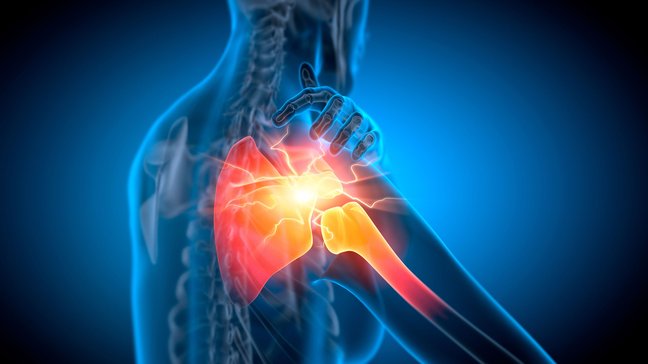
Labrum tear
A labrum tear describes a tear of the labrum, a cartilage-like structure that surrounds the joint socket and ensures the stability of the joint. This injury often occurs in the shoulder (glenoid labrum) or the hip (acetabular labrum) and is a common…
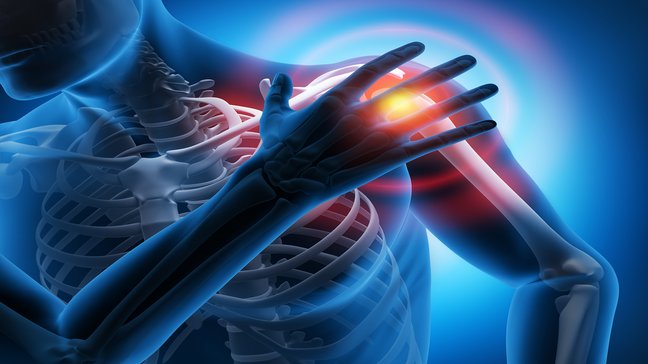
ACG-Osteoarthritis
ACJ osteoarthritis (acromioclavicular joint osteoarthritis) is a degenerative disease of the acromioclavicular joint that can lead to pain, movement restrictions, and chronic discomfort. It often affects middle-aged and older individuals as well as…

Shoulder pain
Shoulder pain is a common complaint that can affect people of all ages. It arises from acute injuries, chronic overuse, or degenerative changes. The shoulder is the most mobile joint in the human body and is simultaneously prone to pain and…
Frozen Shoulder
Classification of Frozen Shoulder
The frozen shoulder is divided into two main types:
- Primary (idiopathic) frozen shoulder:
- The cause is unknown. This form develops without identifiable triggers and often occurs spontaneously.
- Secondary frozen shoulder:
- This form arises as a result of another condition or trauma. Common triggers include injuries, shoulder surgeries, or systemic diseases such as diabetes mellitus or thyroid disorders.
Causes of Frozen Shoulder
The exact cause of primary frozen shoulder is unclear, but in the secondary form, there are specific factors that can promote its development:
- Injuries or surgeries:
- Shoulder injuries, such as rotator cuff tears, or surgeries can lead to inflammation and subsequent stiffness in the shoulder joint.
- Systemic diseases:
- Diseases such as diabetes mellitus, rheumatoid arthritis, or thyroid disorders increase the risk.
- Immobilization:
- Prolonged immobilization of the shoulder, for example after a fracture, favors the development of the condition.
- Inflammatory processes:
- Chronic inflammation of the joint capsule leads to the formation of scar tissue and adhesions that restrict mobility.
Symptoms of Frozen Shoulder
The symptoms of frozen shoulder typically develop in three phases:
1. **Freezing Phase:**
- Duration: 2 to 9 months
- Intense pain that worsens at night and with movement. The mobility of the shoulder begins to become restricted.
2. **Frozen Phase:**
- Duration: 4 to 12 months
- The pain decreases, but mobility remains severely restricted. Everyday activities like dressing or raising the arms become difficult.
3. **Thawing Phase:**
- Duration: 6 months to 2 years
- Mobility gradually improves, and the pain continues to decrease.
Additionally, symptoms such as muscle weakness and a feeling of stiffness may occur, affecting the quality of life.
Diagnosis of Frozen Shoulder
The diagnosis of frozen shoulder is based on medical history, clinical examination, and, if necessary, imaging techniques:
- Medical history:
- The doctor inquires about the onset of symptoms, the course of pain, and possible triggers such as injuries or systemic diseases.
- Physical examination:
- Checking the range of motion of the shoulder, both active and passive. Limitations in external rotation are characteristic of frozen shoulder.
- Imaging techniques:
- X-ray: Exclusion of other causes such as osteoarthritis or fractures.
- MRI: Visualization of inflammatory processes or scarring in the joint capsule.
Treatment options for frozen shoulder
Conservative Therapy
Most cases of frozen shoulder can be treated without surgery:
- Physiotherapy:
- Targeted exercises to improve mobility and strengthen the shoulder muscles.
- Manual therapy to release adhesions in the joint capsule.
- Pain Therapy:
- Use of nonsteroidal anti-inflammatory drugs (NSAIDs) like ibuprofen to relieve pain and inflammation.
- Cortisone injections directly into the joint for short-term pain relief.
- Cryotherapy:
- Reduces inflammation and relieves pain during the freezing phase.
Surgical Therapy
In rare cases, when conservative measures are not effective, surgery may be necessary:
- Arthroscopic Capsular Release:
- Minimally invasive removal of scar tissue and release of the adhered joint capsule.
- Manipulation Under Anesthesia:
- During general anesthesia, the joint is carefully mobilized to release the adhesions.
Preventive measures for frozen shoulder
To prevent frozen shoulder, the following measures are recommended:
- Early mobilization:
- After injuries or surgeries, the shoulder should be mobilized as quickly as possible to prevent stiffness.
- Regular movement:
- Promote joint mobility through targeted stretching exercises and light physical activity.
- Treatment of underlying conditions:
- Control diabetes and other systemic diseases to reduce the risk.
- Physiotherapy after injuries:
- Support through professional care to restore shoulder function.
Shoulder impingement
Shoulder impingement syndrome, also known as subacromial impingement, is a common cause of shoulder pain and movement restrictions. It involves a mechanical narrowing of structures, such as tendons or bursae, in the space beneath the bony shoulder…
Labrum tear
A labrum tear describes a tear of the labrum, a cartilage-like structure that surrounds the joint socket and ensures the stability of the joint. This injury often occurs in the shoulder (glenoid labrum) or the hip (acetabular labrum) and is a common…
ACG-Osteoarthritis
ACJ osteoarthritis (acromioclavicular joint osteoarthritis) is a degenerative disease of the acromioclavicular joint that can lead to pain, movement restrictions, and chronic discomfort. It often affects middle-aged and older individuals as well as…
Shoulder pain
Shoulder pain is a common complaint that can affect people of all ages. It arises from acute injuries, chronic overuse, or degenerative changes. The shoulder is the most mobile joint in the human body and is simultaneously prone to pain and…