

Dizziness
Classification of Dizziness in Orthopedics
Dizziness can be distinguished according to its cause and perception:
By sensation:
- Cervicogenic dizziness: A feeling of swaying or slight lightheadedness, often accompanied by neck tension.
- Postural dizziness: Unsteadiness when walking or standing, often due to poor posture or muscular imbalances.
- Mechanically induced dizziness: Episodes of dizziness triggered by certain head positions or movements.
By duration:
- Acute dizziness: Suddenly occurring symptoms, often associated with blockages or muscle tension in the cervical spine.
- Chronic dizziness: Recurrent or persistent symptoms over weeks or months, often caused by degenerative changes.
By cause:
- Cervical spine-related dizziness: Triggered by poor posture, blockages, or disc problems.
- Muscle-related dizziness: Tension in the neck muscles impairs proprioceptive perception.
- Circulation-related dizziness: Impairment of blood circulation in the area of the cervical spine, e.g., due to narrowing of the vertebral artery.
Causes of dizziness in orthopedics
The causes of dizziness of orthopedic origin are diverse and can be divided into the following categories:
Peripheral causes:
- Cervical spine syndrome (HWS syndrome): Functional disorders, blockages, or degenerative changes of the cervical spine can lead to dizziness.
- Herniated discs in the cervical spine: Pressure on nerves or blood vessels can cause balance disorders.
- Muscular imbalances: Chronic tension of the neck muscles can trigger incorrect signal transmission to the brain.
Mechanical causes:
- Postural misalignments of the spine: Poor posture, scoliosis, or pelvic tilt can impair balance.
- Blockages or subluxations of the cervical spine: Movement restrictions in the cervical spine can lead to dizzy spells.
Symptoms of orthopedically induced dizziness
The symptoms vary depending on the underlying cause, but often include:
- Unsteadiness when walking or standing
- Worsening of symptoms with certain head movements
- Accompanying neck pain or headaches
- Visual disturbances or concentration problems
- A feeling of lightheadedness or pressure in the head
Diagnosis of dizziness in orthopedics
Diagnosis requires a detailed history, a clinical examination, and imaging to clarify the cause:
- History: Assessment of the type, duration, and possible triggers of dizziness, as well as existing orthopedic complaints.
- Physical examination: Evaluation of posture, cervical spine mobility, and special tests to identify cervicogenic causes of dizziness.
- Imaging:
- X-ray: Analysis of malalignments or degenerative changes.
- MRI/CT: Examination of disc herniations or nerve compressions.
- Functional tests: Testing of balance function, provocation tests to confirm cervicogenic dizziness.
Prevention of orthopedic-related dizziness
To prevent dizziness of orthopedic origin, the following measures should be observed:
- Regular exercise: Strengthening the neck and back muscles to stabilize the cervical spine.
- Ergonomic workplace design: Avoiding poor posture through optimal sitting positions.
- Relaxation techniques: Reducing stress to prevent muscular tension.
- Stretching exercises: Regular mobilization of the cervical spine to improve mobility.

Sacroiliac joint pain
The sacroiliac joint pain, also known as SIJ pain, affects the sacroiliac joint (SIJ), which forms the connection between the sacrum and the ilium. This joint plays a central role in the transmission of force between the upper body and the legs.…

Facet arthrosis
Facet arthrosis, also known as vertebral joint arthrosis, is a degenerative disease of the small vertebral joints (facet joints). It arises from the wear and tear of the cartilage in the facet joints and is one of the most common causes of back pain,…
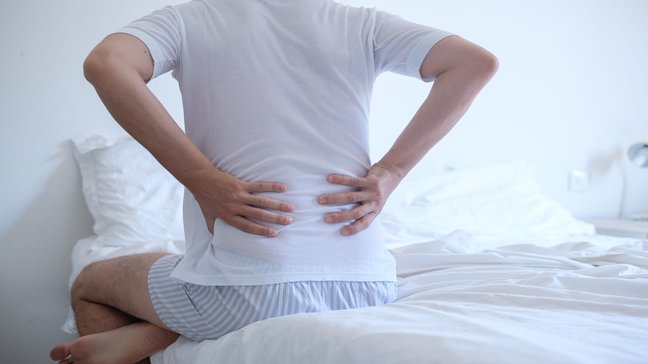
Radiculopathy
Radiculopathy refers to damage or irritation of the nerve roots in the area of the spine, which can lead to pain, sensory disturbances, and motor limitations. It often occurs in the cervical and lumbar spine and is often a result of degenerative…
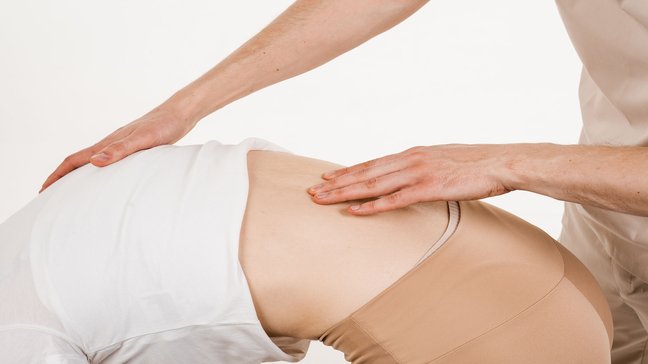
Ankylosing Spondylitis
Morbus Bechterew, also known as ankylosing spondylitis, is a chronic inflammatory disease that primarily affects the spine and the sacroiliac joints. The disease belongs to the group of seronegative spondyloarthritides and leads to ossification of…
Dizziness
Classification of Dizziness in Orthopedics
Dizziness can be distinguished according to its cause and perception:
By sensation:
- Cervicogenic dizziness: A feeling of swaying or slight lightheadedness, often accompanied by neck tension.
- Postural dizziness: Unsteadiness when walking or standing, often due to poor posture or muscular imbalances.
- Mechanically induced dizziness: Episodes of dizziness triggered by certain head positions or movements.
By duration:
- Acute dizziness: Suddenly occurring symptoms, often associated with blockages or muscle tension in the cervical spine.
- Chronic dizziness: Recurrent or persistent symptoms over weeks or months, often caused by degenerative changes.
By cause:
- Cervical spine-related dizziness: Triggered by poor posture, blockages, or disc problems.
- Muscle-related dizziness: Tension in the neck muscles impairs proprioceptive perception.
- Circulation-related dizziness: Impairment of blood circulation in the area of the cervical spine, e.g., due to narrowing of the vertebral artery.
Causes of dizziness in orthopedics
The causes of dizziness of orthopedic origin are diverse and can be divided into the following categories:
Peripheral causes:
- Cervical spine syndrome (HWS syndrome): Functional disorders, blockages, or degenerative changes of the cervical spine can lead to dizziness.
- Herniated discs in the cervical spine: Pressure on nerves or blood vessels can cause balance disorders.
- Muscular imbalances: Chronic tension of the neck muscles can trigger incorrect signal transmission to the brain.
Mechanical causes:
- Postural misalignments of the spine: Poor posture, scoliosis, or pelvic tilt can impair balance.
- Blockages or subluxations of the cervical spine: Movement restrictions in the cervical spine can lead to dizzy spells.
Symptoms of orthopedically induced dizziness
The symptoms vary depending on the underlying cause, but often include:
- Unsteadiness when walking or standing
- Worsening of symptoms with certain head movements
- Accompanying neck pain or headaches
- Visual disturbances or concentration problems
- A feeling of lightheadedness or pressure in the head
Diagnosis of dizziness in orthopedics
Diagnosis requires a detailed history, a clinical examination, and imaging to clarify the cause:
- History: Assessment of the type, duration, and possible triggers of dizziness, as well as existing orthopedic complaints.
- Physical examination: Evaluation of posture, cervical spine mobility, and special tests to identify cervicogenic causes of dizziness.
- Imaging:
- X-ray: Analysis of malalignments or degenerative changes.
- MRI/CT: Examination of disc herniations or nerve compressions.
- Functional tests: Testing of balance function, provocation tests to confirm cervicogenic dizziness.
Prevention of orthopedic-related dizziness
To prevent dizziness of orthopedic origin, the following measures should be observed:
- Regular exercise: Strengthening the neck and back muscles to stabilize the cervical spine.
- Ergonomic workplace design: Avoiding poor posture through optimal sitting positions.
- Relaxation techniques: Reducing stress to prevent muscular tension.
- Stretching exercises: Regular mobilization of the cervical spine to improve mobility.
Sacroiliac joint pain
The sacroiliac joint pain, also known as SIJ pain, affects the sacroiliac joint (SIJ), which forms the connection between the sacrum and the ilium. This joint plays a central role in the transmission of force between the upper body and the legs.…
Facet arthrosis
Facet arthrosis, also known as vertebral joint arthrosis, is a degenerative disease of the small vertebral joints (facet joints). It arises from the wear and tear of the cartilage in the facet joints and is one of the most common causes of back pain,…
Radiculopathy
Radiculopathy refers to damage or irritation of the nerve roots in the area of the spine, which can lead to pain, sensory disturbances, and motor limitations. It often occurs in the cervical and lumbar spine and is often a result of degenerative…
Ankylosing Spondylitis
Morbus Bechterew, also known as ankylosing spondylitis, is a chronic inflammatory disease that primarily affects the spine and the sacroiliac joints. The disease belongs to the group of seronegative spondyloarthritides and leads to ossification of…