

Charcot-Marie-Tooth
Classification of Charcot-Marie-Tooth Disease
The Charcot-Marie-Tooth disease can be divided into different types:
- CMT1: Damage to the myelin sheath (the protective covering of the nerves), leading to slower nerve conduction.
- CMT2: Impairment of the axon (the inner nerve fiber), where nerve conduction remains normal, but the signal strength is reduced.
- CMTX: X-linked form, primarily affecting men.
- Rare forms: Variants with specific genetic mutations that can cause different symptoms.
Causes of Charcot-Marie-Tooth
The main causes of CMT lie in genetic mutations that impair the function of peripheral nerves:
- Genetic defects:
- Mutations in genes responsible for the structure and function of myelin or axons.
- Inheritance patterns:
- Mostly autosomal dominant, less commonly autosomal recessive or X-linked.
- Changes in nerve structure:
- Degradation of myelin or damage to axons, which hinders signal transmission between the brain, spinal cord, and muscles.
Symptoms of Charcot-Marie-Tooth
The symptoms vary depending on the type and severity, but typically include:
- **Muscle weakness:**
- Often begins in the feet and lower legs, leading to difficulties in walking and may later affect hands and forearms.
- **Loss of sensation:**
- Reduced sensitivity to pain, temperature, and touch in the affected extremities.
- **Foot deformities:**
- Typical misalignments such as high arches (pes cavus) or claw toes.
- **Gait disturbances:**
- Unsteady gait or stumbling due to weakness in the lower extremities.
- **Cramps and pain:**
- Especially after prolonged exertion or activity.
- **Progressive disabilities:**
- In advanced stages, affected individuals may rely on walking aids or wheelchairs.
Diagnosis of Charcot-Marie-Tooth
The diagnosis of CMT is made through a combination of medical history, clinical examination, and special tests:
- Medical history: The doctor inquires about family history and symptoms such as muscle weakness or sensory disturbances.
- Physical examination: Checking for typical deformities and reflexes as well as assessing muscle strength.
- Electrophysiological examinations:
- Electroneurography (ENG): Measurement of nerve conduction velocity to assess myelin or axonal damage.
- Genetic tests:
- Identification of specific mutations to confirm the diagnosis.
- Imaging techniques:
- MRI: To visualize muscle atrophy or structural changes.
Treatment options for Charcot-Marie-Tooth
Conservative Therapy
Since CMT is not curable, the treatment aims to alleviate symptoms and slow down progression:
- Physiotherapy:
- Exercises to strengthen muscles, improve mobility, and maintain functionality.
- Orthopedic Aids:
- Use of braces, insoles, or orthopedic shoes to correct deformities and support mobility.
- Pain Therapy:
- Use of medications to relieve neuropathic pain and muscle cramps.
- Occupational Therapy:
- Promotion of hand function and support in daily activities.
Surgical Therapy
In severe cases, surgery may be necessary:
- Correction of Foot Deformities: Surgical procedures to improve foot positioning and gait.
- Tendon Transfer: Transfer of weakened or missing muscle functions to other muscles.
Preventive measures for Charcot-Marie-Tooth
To prevent or alleviate symptoms of CMT, the following measures are recommended:
1. Early diagnosis: Regular check-ups and genetic tests in cases of family history.
2. Physical activity: Targeted exercises to prevent muscle wasting and contractures.
3. Ergonomic adjustments: Use of aids to protect joints and muscles.
4. Protection of extremities: Avoiding injuries that could accelerate the progression of symptoms.
5. Psychological support: Guidance from professionals to cope with the emotional burdens of the disease.
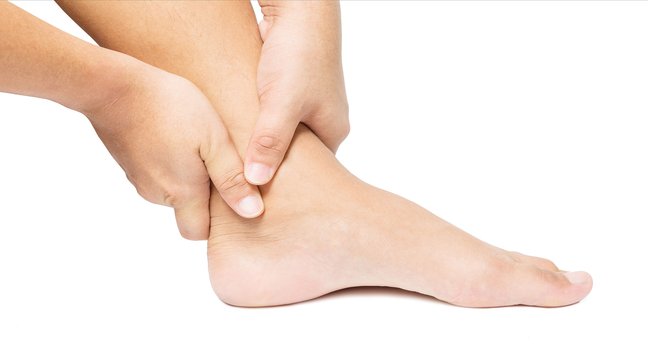
Ankle osteoarthritis
Ankle osteoarthritis is a degenerative disease of the upper ankle joint (OSG), characterized by the wear and tear of the joint cartilage and adjacent structures. It leads to pain, restricted movement, and long-term functional impairment of the joint.…

Impingement in the ankle joint.
Impingement in the ankle joint, also known as impingement syndrome, describes a mechanical pinching of tissue, tendons, or bone structures in the upper ankle joint. This pinching leads to pain, movement restrictions, and often to chronic complaints.…
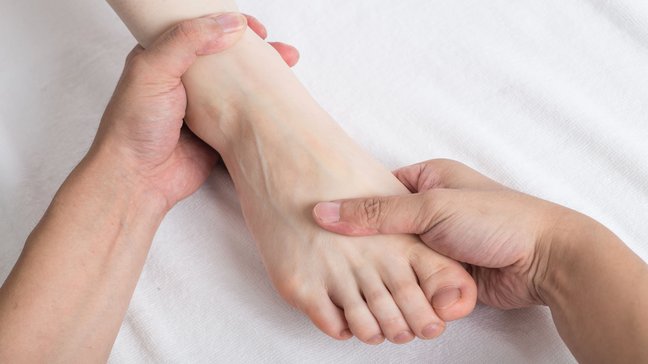
Torn lateral ligament of the ankle
A lateral ligament tear (rupture of one or more lateral ligaments) is a common injury of the ankle joint, which occurs especially in sports with rapid changes of direction or uncontrolled movements. This injury often leads to pain, swelling, and…
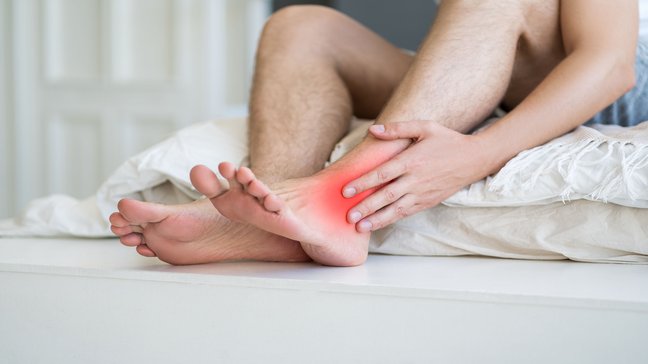
Osteoarthritis in the lower ankle joint
Osteoarthritis of the lower ankle joint, also known as subtalar osteoarthritis, is a degenerative joint disease in which the cartilage between the talus (ankle bone) and calcaneus (heel bone) is gradually broken down. This condition primarily affects…
Charcot-Marie-Tooth
Classification of Charcot-Marie-Tooth Disease
The Charcot-Marie-Tooth disease can be divided into different types:
- CMT1: Damage to the myelin sheath (the protective covering of the nerves), leading to slower nerve conduction.
- CMT2: Impairment of the axon (the inner nerve fiber), where nerve conduction remains normal, but the signal strength is reduced.
- CMTX: X-linked form, primarily affecting men.
- Rare forms: Variants with specific genetic mutations that can cause different symptoms.
Causes of Charcot-Marie-Tooth
The main causes of CMT lie in genetic mutations that impair the function of peripheral nerves:
- Genetic defects:
- Mutations in genes responsible for the structure and function of myelin or axons.
- Inheritance patterns:
- Mostly autosomal dominant, less commonly autosomal recessive or X-linked.
- Changes in nerve structure:
- Degradation of myelin or damage to axons, which hinders signal transmission between the brain, spinal cord, and muscles.
Symptoms of Charcot-Marie-Tooth
The symptoms vary depending on the type and severity, but typically include:
- **Muscle weakness:**
- Often begins in the feet and lower legs, leading to difficulties in walking and may later affect hands and forearms.
- **Loss of sensation:**
- Reduced sensitivity to pain, temperature, and touch in the affected extremities.
- **Foot deformities:**
- Typical misalignments such as high arches (pes cavus) or claw toes.
- **Gait disturbances:**
- Unsteady gait or stumbling due to weakness in the lower extremities.
- **Cramps and pain:**
- Especially after prolonged exertion or activity.
- **Progressive disabilities:**
- In advanced stages, affected individuals may rely on walking aids or wheelchairs.
Diagnosis of Charcot-Marie-Tooth
The diagnosis of CMT is made through a combination of medical history, clinical examination, and special tests:
- Medical history: The doctor inquires about family history and symptoms such as muscle weakness or sensory disturbances.
- Physical examination: Checking for typical deformities and reflexes as well as assessing muscle strength.
- Electrophysiological examinations:
- Electroneurography (ENG): Measurement of nerve conduction velocity to assess myelin or axonal damage.
- Genetic tests:
- Identification of specific mutations to confirm the diagnosis.
- Imaging techniques:
- MRI: To visualize muscle atrophy or structural changes.
Treatment options for Charcot-Marie-Tooth
Conservative Therapy
Since CMT is not curable, the treatment aims to alleviate symptoms and slow down progression:
- Physiotherapy:
- Exercises to strengthen muscles, improve mobility, and maintain functionality.
- Orthopedic Aids:
- Use of braces, insoles, or orthopedic shoes to correct deformities and support mobility.
- Pain Therapy:
- Use of medications to relieve neuropathic pain and muscle cramps.
- Occupational Therapy:
- Promotion of hand function and support in daily activities.
Surgical Therapy
In severe cases, surgery may be necessary:
- Correction of Foot Deformities: Surgical procedures to improve foot positioning and gait.
- Tendon Transfer: Transfer of weakened or missing muscle functions to other muscles.
Preventive measures for Charcot-Marie-Tooth
To prevent or alleviate symptoms of CMT, the following measures are recommended:
1. Early diagnosis: Regular check-ups and genetic tests in cases of family history.
2. Physical activity: Targeted exercises to prevent muscle wasting and contractures.
3. Ergonomic adjustments: Use of aids to protect joints and muscles.
4. Protection of extremities: Avoiding injuries that could accelerate the progression of symptoms.
5. Psychological support: Guidance from professionals to cope with the emotional burdens of the disease.
Ankle osteoarthritis
Ankle osteoarthritis is a degenerative disease of the upper ankle joint (OSG), characterized by the wear and tear of the joint cartilage and adjacent structures. It leads to pain, restricted movement, and long-term functional impairment of the joint.…
Impingement in the ankle joint.
Impingement in the ankle joint, also known as impingement syndrome, describes a mechanical pinching of tissue, tendons, or bone structures in the upper ankle joint. This pinching leads to pain, movement restrictions, and often to chronic complaints.…
Torn lateral ligament of the ankle
A lateral ligament tear (rupture of one or more lateral ligaments) is a common injury of the ankle joint, which occurs especially in sports with rapid changes of direction or uncontrolled movements. This injury often leads to pain, swelling, and…
Osteoarthritis in the lower ankle joint
Osteoarthritis of the lower ankle joint, also known as subtalar osteoarthritis, is a degenerative joint disease in which the cartilage between the talus (ankle bone) and calcaneus (heel bone) is gradually broken down. This condition primarily affects…