

Calcific shoulder
Classification of Calcific Shoulder
Calcific shoulder can be divided into different categories depending on the stage and type of calcium deposits:
- Formation phase:
- In this phase, calcium deposits form in the tendons. Patients often do not notice any discomfort.
- Resting stage:
- The deposits are stable but can cause irritation and mild pain.
- Resorption phase:
- The calcium is broken down by the body, which is often associated with severe pain.
- Post-calcification phase:
- The tissue heals, and the discomfort subsides.
Causes of calcific shoulder.
The exact causes of calcific tendinitis are not fully understood, but several factors are discussed:
- Reduced blood flow to the tendons:
- Restricted blood supply to the rotator cuff can promote degenerative changes leading to the formation of calcium deposits.
- Overuse and microtrauma:
- Repeated stress or minor injuries to the tendons can encourage the development of calcific deposits.
- Metabolic disorders:
- Conditions such as diabetes mellitus or thyroid problems increase the risk of calcific tendinitis.
- Hormonal influences:
- Changes in hormone levels, especially in women, could promote the development.
Symptoms of calcific shoulder.
The symptoms of a calcific shoulder vary depending on the stage of the disease and individual progression:
- Pain:
- Acute or chronic pain in the shoulder, especially at night or during overhead activities.
- Movement restrictions:
- Difficulty lifting the arm or moving it behind the back.
- Tenderness:
- Pain when touching the shoulder or during certain movements.
- Signs of inflammation:
- During the resorption phase, swelling, warmth, and redness often occur.
Diagnosis of calcific shoulder.
The diagnosis of calcific shoulder involves a combination of medical history, clinical examination, and imaging techniques:
- Medical history:
- The doctor inquires about the course of symptoms, possible triggering factors, and the intensity of pain.
- Clinical examination:
- Tests to check mobility and provoke pain, such as the Neer test or the Hawkins-Kennedy test.
- Imaging techniques:
- X-ray: Clear depiction of calcium deposits in the tendons.
- Ultrasound: Assessment of soft tissue changes and size of the calcifications.
- MRI: Detailed depiction of the tendons and exclusion of other conditions such as rotator cuff tears.
Treatment options for calcific shoulder.
Conservative Therapy
In most cases, calcific shoulder can be successfully treated without surgery:
- Medication Therapy:
- Nonsteroidal anti-inflammatory drugs (NSAIDs) for pain relief and anti-inflammation.
- Physiotherapy:
- Exercises to improve shoulder mobility and strengthen the muscles.
- Shock Wave Therapy:
- Breaking up calcific deposits with high-energy sound waves to promote resorption.
- Injections:
- Cortisone injections to reduce inflammation and pain.
Surgical Therapy
In severe or therapy-resistant cases, surgical intervention may be necessary:
- Needling:
- Puncturing and flushing out the calcific deposits under ultrasound guidance.
- Arthroscopic Removal:
- Minimally invasive removal of calcific deposits and treatment of accompanying injuries.
Preventive measures for calcific shoulder.
The following measures are helpful in preventing a calcific shoulder:
- Regular exercise: Joint-friendly sports such as swimming or yoga promote circulation and mobility.
- Avoiding overstrain: Limiting repetitive movements and overhead work.
- Strengthening the shoulder muscles: Targeted exercises to stabilize the rotator cuff.
- Early treatment: Consult a doctor promptly at the first signs of shoulder pain.

Dislocación de hombro.
A shoulder dislocation describes the complete or partial dislocation of the shoulder joint, where the head of the upper arm (humeral head) slips out of the socket (glenoid). Due to the special mobility and anatomy of the shoulder joint, it is the…
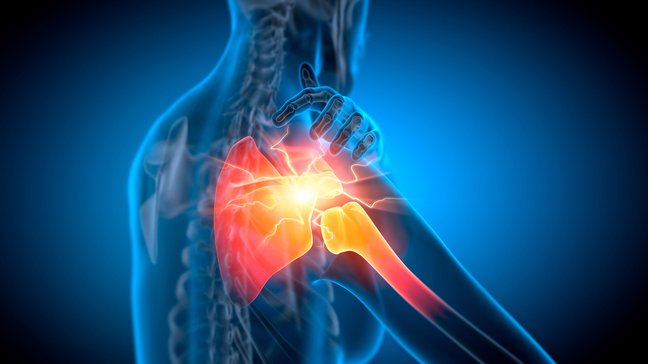
Labrum tear
A labrum tear describes a tear of the labrum, a cartilage-like structure that surrounds the joint socket and ensures the stability of the joint. This injury often occurs in the shoulder (glenoid labrum) or the hip (acetabular labrum) and is a common…
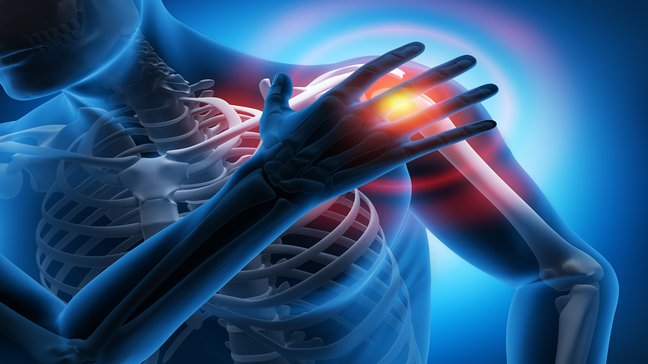
ACG-Osteoarthritis
ACJ osteoarthritis (acromioclavicular joint osteoarthritis) is a degenerative disease of the acromioclavicular joint that can lead to pain, movement restrictions, and chronic discomfort. It often affects middle-aged and older individuals as well as…
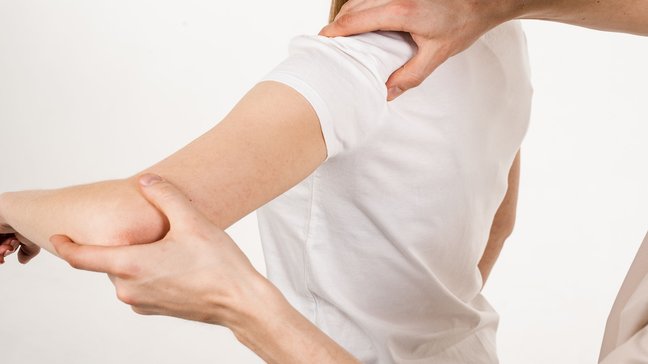
Shoulder pain
Shoulder pain is a common complaint that can affect people of all ages. It arises from acute injuries, chronic overuse, or degenerative changes. The shoulder is the most mobile joint in the human body and is simultaneously prone to pain and…
Calcific shoulder
Classification of Calcific Shoulder
Calcific shoulder can be divided into different categories depending on the stage and type of calcium deposits:
- Formation phase:
- In this phase, calcium deposits form in the tendons. Patients often do not notice any discomfort.
- Resting stage:
- The deposits are stable but can cause irritation and mild pain.
- Resorption phase:
- The calcium is broken down by the body, which is often associated with severe pain.
- Post-calcification phase:
- The tissue heals, and the discomfort subsides.
Causes of calcific shoulder.
The exact causes of calcific tendinitis are not fully understood, but several factors are discussed:
- Reduced blood flow to the tendons:
- Restricted blood supply to the rotator cuff can promote degenerative changes leading to the formation of calcium deposits.
- Overuse and microtrauma:
- Repeated stress or minor injuries to the tendons can encourage the development of calcific deposits.
- Metabolic disorders:
- Conditions such as diabetes mellitus or thyroid problems increase the risk of calcific tendinitis.
- Hormonal influences:
- Changes in hormone levels, especially in women, could promote the development.
Symptoms of calcific shoulder.
The symptoms of a calcific shoulder vary depending on the stage of the disease and individual progression:
- Pain:
- Acute or chronic pain in the shoulder, especially at night or during overhead activities.
- Movement restrictions:
- Difficulty lifting the arm or moving it behind the back.
- Tenderness:
- Pain when touching the shoulder or during certain movements.
- Signs of inflammation:
- During the resorption phase, swelling, warmth, and redness often occur.
Diagnosis of calcific shoulder.
The diagnosis of calcific shoulder involves a combination of medical history, clinical examination, and imaging techniques:
- Medical history:
- The doctor inquires about the course of symptoms, possible triggering factors, and the intensity of pain.
- Clinical examination:
- Tests to check mobility and provoke pain, such as the Neer test or the Hawkins-Kennedy test.
- Imaging techniques:
- X-ray: Clear depiction of calcium deposits in the tendons.
- Ultrasound: Assessment of soft tissue changes and size of the calcifications.
- MRI: Detailed depiction of the tendons and exclusion of other conditions such as rotator cuff tears.
Treatment options for calcific shoulder.
Conservative Therapy
In most cases, calcific shoulder can be successfully treated without surgery:
- Medication Therapy:
- Nonsteroidal anti-inflammatory drugs (NSAIDs) for pain relief and anti-inflammation.
- Physiotherapy:
- Exercises to improve shoulder mobility and strengthen the muscles.
- Shock Wave Therapy:
- Breaking up calcific deposits with high-energy sound waves to promote resorption.
- Injections:
- Cortisone injections to reduce inflammation and pain.
Surgical Therapy
In severe or therapy-resistant cases, surgical intervention may be necessary:
- Needling:
- Puncturing and flushing out the calcific deposits under ultrasound guidance.
- Arthroscopic Removal:
- Minimally invasive removal of calcific deposits and treatment of accompanying injuries.
Preventive measures for calcific shoulder.
The following measures are helpful in preventing a calcific shoulder:
- Regular exercise: Joint-friendly sports such as swimming or yoga promote circulation and mobility.
- Avoiding overstrain: Limiting repetitive movements and overhead work.
- Strengthening the shoulder muscles: Targeted exercises to stabilize the rotator cuff.
- Early treatment: Consult a doctor promptly at the first signs of shoulder pain.
Dislocación de hombro.
A shoulder dislocation describes the complete or partial dislocation of the shoulder joint, where the head of the upper arm (humeral head) slips out of the socket (glenoid). Due to the special mobility and anatomy of the shoulder joint, it is the…
Labrum tear
A labrum tear describes a tear of the labrum, a cartilage-like structure that surrounds the joint socket and ensures the stability of the joint. This injury often occurs in the shoulder (glenoid labrum) or the hip (acetabular labrum) and is a common…
ACG-Osteoarthritis
ACJ osteoarthritis (acromioclavicular joint osteoarthritis) is a degenerative disease of the acromioclavicular joint that can lead to pain, movement restrictions, and chronic discomfort. It often affects middle-aged and older individuals as well as…
Shoulder pain
Shoulder pain is a common complaint that can affect people of all ages. It arises from acute injuries, chronic overuse, or degenerative changes. The shoulder is the most mobile joint in the human body and is simultaneously prone to pain and…